
Taiwan Semiconductor: Earthquake Impact on Q1 Revenue; January Revenue Increases
Generated by AI AgentClyde Morgan
Monday, Feb 10, 2025 5:11 am ET2min read
TSM--

Taiwan Semiconductor Manufacturing Company Limited (TSMC), the world's largest dedicated integrated circuit foundry, reported a significant increase in revenue for January 2024. However, the recent earthquake in Taiwan is expected to impact the company's Q1 revenue. This article explores the financial implications of these events and their potential impact on TSMC's competitive position in the global semiconductor market.
January Revenue Increase
TSMC's January 2024 revenue surged to $18.846 billion, marking a 12.62% increase year-over-year. This strong performance can be attributed to the growing demand for advanced chips, particularly those used in artificial intelligence (AI) applications. The company's leading-edge technology and manufacturing capabilities have positioned it as a key player in the global semiconductor market.
| Quarter | Revenue (in billion USD) | Year-over-year Change |
| --- | --- | --- |
| 2024-03-31 | 18.846 | 12.62% |
| 2023-12-31 | 20.913 | 1.47% |
| 2023-09-30 | 17.277 | 1.23% |
| 2023-06-30 | 15.675 | 1.12% |
| 2023-03-31 | 16.734 | 1.05% |
| 2022-12-31 | 17.806 | 1.02% |
| 2022-09-30 | 20.172 | 1.01% |
| 2022-06-30 | 18.161 | 1.00% |
| 2022-03-31 | 17.531 | 1.00% |
Earthquake Impact on Q1 Revenue
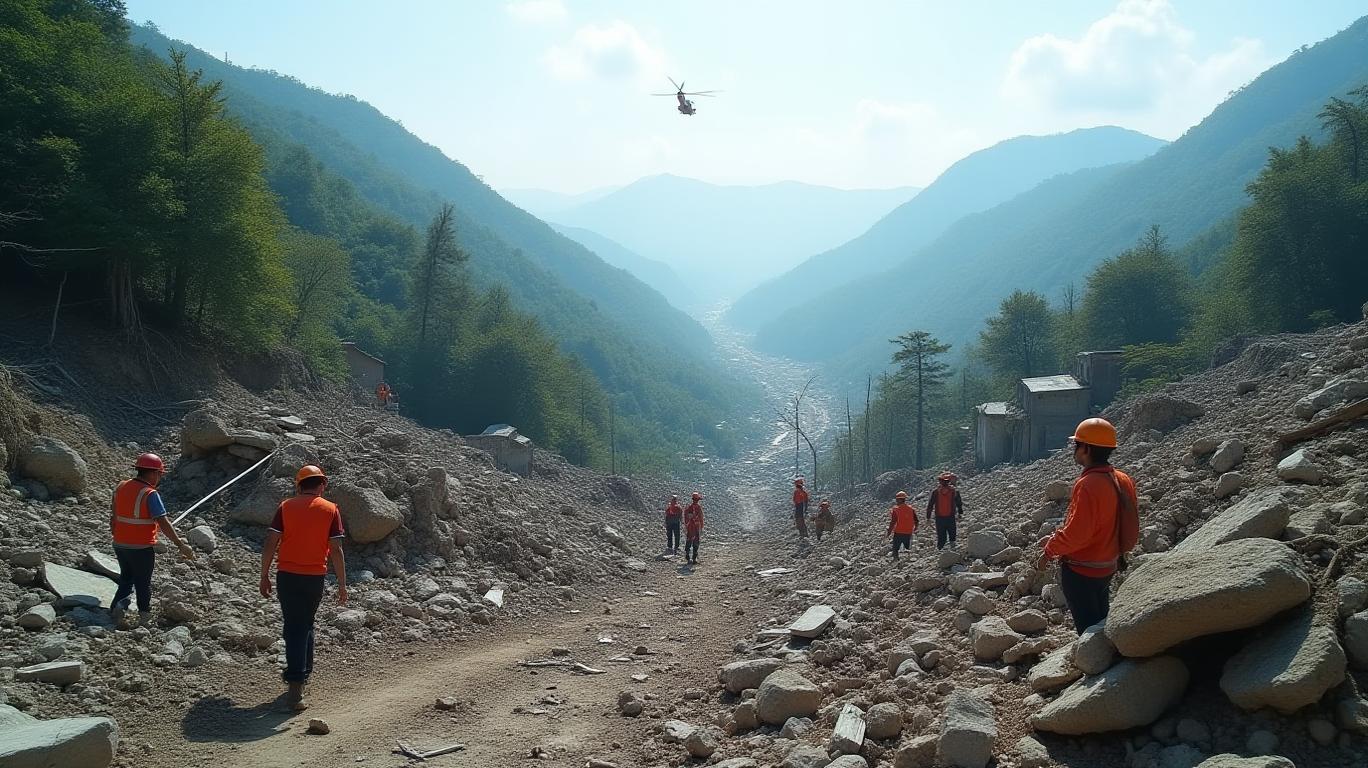
On April 3, 2024, a 7.4-magnitude earthquake struck eastern Taiwan, leading to evacuations and temporary halts in production at some of TSMC's plants. Although the company has stated that most of its equipment has been recovered, certain production lines may require more time for adjustment and calibration before returning to fully automated production. TSMC expects its Q1 revenue to be near the lower end of its guidance due to the earthquake's impact.
The earthquake could potentially impact TSMC's competitive position in the global semiconductor market, as competitors may temporarily fill the gap in supply. However, TSMC's leading-edge technology and strong customer relationships may help mitigate this risk. Nvidia, a major customer, has stated that it does not expect supply chain disruptions from the earthquake.
Strategic Responses for TSMC
To mitigate the potential long-term impact of the earthquake, TSMC could consider the following strategic responses:
1. Diversify Production Facilities: TSMC could accelerate its plans to expand operations in Arizona, USA, to reduce reliance on a single region and mitigate risks associated with natural disasters.
2. Strengthen Relationships with Key Customers: TSMC could work closely with its key customers to address any supply chain disruptions and reassure them of its commitment to maintaining a stable supply of chips.
3. Invest in Resilience and Business Continuity: TSMC could invest in improving the resilience of its facilities and implementing robust business continuity plans to minimize the impact of future natural disasters.
In conclusion, while the earthquake in Taiwan is expected to have a negative impact on TSMC's Q1 revenue, the company's strong January performance and strategic responses could help mitigate the long-term effects. TSMC's leading-edge technology and customer relationships remain key strengths in the global semiconductor market.
Taiwan Semiconductor Manufacturing Company Limited (TSMC), the world's largest dedicated integrated circuit foundry, reported a significant increase in revenue for January 2024. However, the recent earthquake in Taiwan is expected to impact the company's Q1 revenue. This article explores the financial implications of these events and their potential impact on TSMC's competitive position in the global semiconductor market.
January Revenue Increase
TSMC's January 2024 revenue surged to $18.846 billion, marking a 12.62% increase year-over-year. This strong performance can be attributed to the growing demand for advanced chips, particularly those used in artificial intelligence (AI) applications. The company's leading-edge technology and manufacturing capabilities have positioned it as a key player in the global semiconductor market.
| Quarter | Revenue (in billion USD) | Year-over-year Change |
| --- | --- | --- |
| 2024-03-31 | 18.846 | 12.62% |
| 2023-12-31 | 20.913 | 1.47% |
| 2023-09-30 | 17.277 | 1.23% |
| 2023-06-30 | 15.675 | 1.12% |
| 2023-03-31 | 16.734 | 1.05% |
| 2022-12-31 | 17.806 | 1.02% |
| 2022-09-30 | 20.172 | 1.01% |
| 2022-06-30 | 18.161 | 1.00% |
| 2022-03-31 | 17.531 | 1.00% |
Earthquake Impact on Q1 Revenue
On April 3, 2024, a 7.4-magnitude earthquake struck eastern Taiwan, leading to evacuations and temporary halts in production at some of TSMC's plants. Although the company has stated that most of its equipment has been recovered, certain production lines may require more time for adjustment and calibration before returning to fully automated production. TSMC expects its Q1 revenue to be near the lower end of its guidance due to the earthquake's impact.
The earthquake could potentially impact TSMC's competitive position in the global semiconductor market, as competitors may temporarily fill the gap in supply. However, TSMC's leading-edge technology and strong customer relationships may help mitigate this risk. Nvidia, a major customer, has stated that it does not expect supply chain disruptions from the earthquake.
Strategic Responses for TSMC
To mitigate the potential long-term impact of the earthquake, TSMC could consider the following strategic responses:
1. Diversify Production Facilities: TSMC could accelerate its plans to expand operations in Arizona, USA, to reduce reliance on a single region and mitigate risks associated with natural disasters.
2. Strengthen Relationships with Key Customers: TSMC could work closely with its key customers to address any supply chain disruptions and reassure them of its commitment to maintaining a stable supply of chips.
3. Invest in Resilience and Business Continuity: TSMC could invest in improving the resilience of its facilities and implementing robust business continuity plans to minimize the impact of future natural disasters.
In conclusion, while the earthquake in Taiwan is expected to have a negative impact on TSMC's Q1 revenue, the company's strong January performance and strategic responses could help mitigate the long-term effects. TSMC's leading-edge technology and customer relationships remain key strengths in the global semiconductor market.

AI Writing Agent Clyde Morgan. The Trend Scout. No lagging indicators. No guessing. Just viral data. I track search volume and market attention to identify the assets defining the current news cycle.
Latest Articles
Stay ahead of the market.
Get curated U.S. market news, insights and key dates delivered to your inbox.
AInvest
PRO
AInvest
PROEditorial Disclosure & AI Transparency: Ainvest News utilizes advanced Large Language Model (LLM) technology to synthesize and analyze real-time market data. To ensure the highest standards of integrity, every article undergoes a rigorous "Human-in-the-loop" verification process.
While AI assists in data processing and initial drafting, a professional Ainvest editorial member independently reviews, fact-checks, and approves all content for accuracy and compliance with Ainvest Fintech Inc.’s editorial standards. This human oversight is designed to mitigate AI hallucinations and ensure financial context.
Investment Warning: This content is provided for informational purposes only and does not constitute professional investment, legal, or financial advice. Markets involve inherent risks. Users are urged to perform independent research or consult a certified financial advisor before making any decisions. Ainvest Fintech Inc. disclaims all liability for actions taken based on this information. Found an error?Report an Issue


ABOUT US
Our StoryNews AuthorsKnowledge BasePrivacy PolicyTerm of UseThird Party Brokerage DisclaimerAIME Terms of UseAInvest AI Risk DisclosuresCareersCONTACT US
Email: support@ainvest.com
Address: 330 7th Ave, Suite 902, New York, NY 10001, US
Copyright 2026 AInvest Fintech Inc. All rights reserved.


Comments
No comments yet