
Taiwan Semiconductor's $100 Billion U.S. Investment: A Strategic Move Amid Geopolitical Tensions
Generated by AI AgentClyde Morgan
Monday, Mar 3, 2025 1:28 pm ET1min read
TSM--
Taiwan Semiconductor Manufacturing Company (TSMC), the world's leading semiconductor foundry, is set to announce a massive $100 billion investment in U.S. chip manufacturing plants. This strategic move, driven by geopolitical risks and market demands, underscores the company's commitment to expanding its global footprint and strengthening its supply chain resilience.
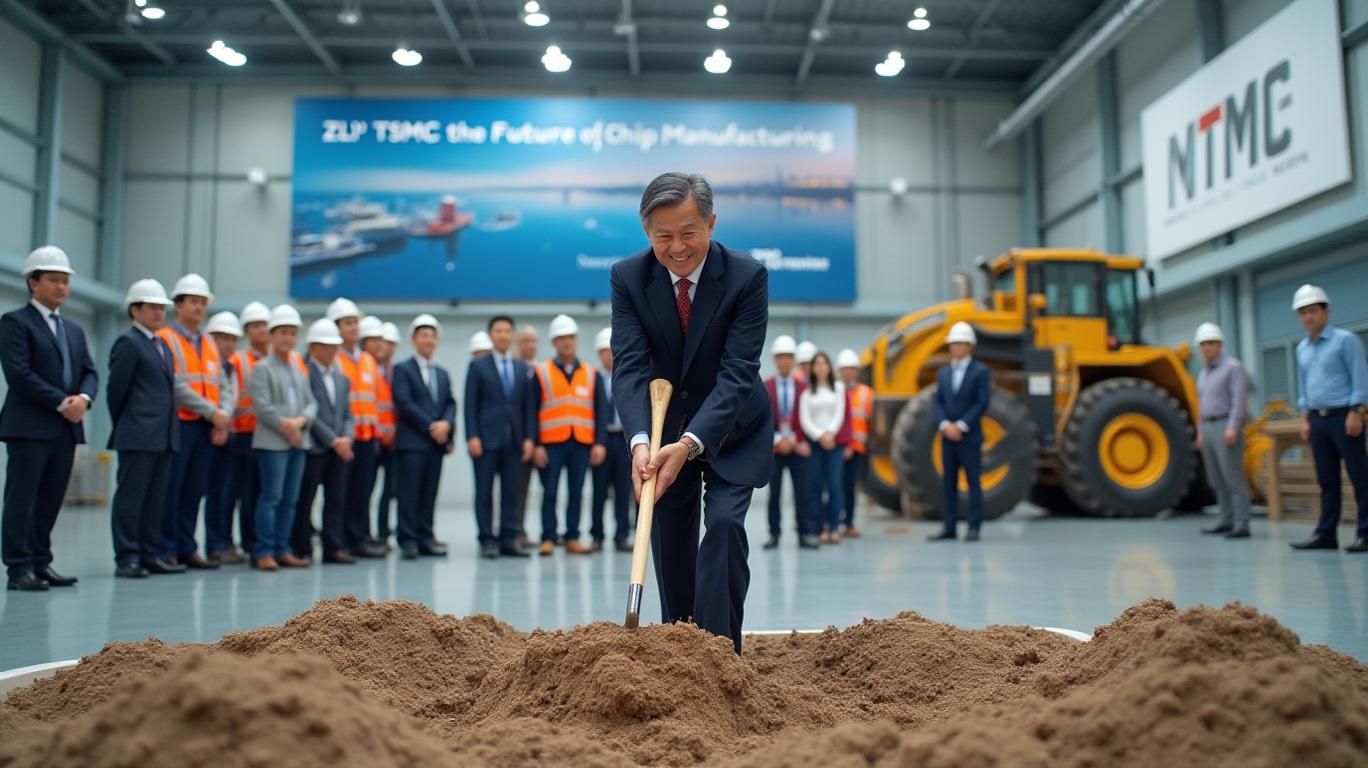
TSMC's decision to invest in the U.S. is a response to several factors, including geopolitical risks and trade policies. The company is aware of the potential impact of trade policies, such as former President Donald Trump's proposal to impose tariffs on semiconductors imported from Taiwan. By expanding its manufacturing footprint in the U.S., TSMCTSM-- aims to reduce its exposure to these trade restrictions and maintain strong relations with U.S. policymakers.
Moreover, TSMC's investment aligns with the U.S. government's goals of reducing reliance on foreign supply chains and strengthening domestic semiconductor production. The CHIPS and Science Act, signed by President Biden in 2022, offers incentives for companies like TSMC to invest in U.S. chip manufacturing. TSMC has been awarded up to $6.6 billion in direct funding under the CHIPS Incentives Program, which supports the construction of new fabs in Arizona.
TSMC's expansion in the U.S. is expected to have a significant impact on the global semiconductor market dynamics, particularly in relation to competition from other major players like Intel and Samsung. The increased competition in advanced chip manufacturing will drive innovation, push the boundaries of semiconductor technology, and lead to more competitive pricing. TSMC's expansion will enable it to better serve its U.S.-based customers and potentially attract new ones, putting pressure on Intel and Samsung to maintain their market positions.
However, TSMC's significant investment in the U.S. comes with several potential risks and challenges. Geopolitical risks, such as trade policies and tensions between the U.S. and China, could disrupt supply chains and impact TSMC's operations. To mitigate these risks, TSMC can diversify its production locations, strengthen its supply chain resilience, and maintain strong relationships with policymakers.
Operational challenges, such as higher initial production costs at overseas plants and the need to develop a skilled workforce, must also be addressed. TSMC can optimize operations in these locations, improve supply chain logistics, and invest in training and education programs to develop a skilled workforce in the U.S.
In conclusion, TSMC's $100 billion investment in U.S. chip manufacturing plants is a strategic move driven by geopolitical risks and market demands. By expanding its global footprint and strengthening its supply chain resilience, TSMC is well-positioned to maintain its technological leadership and meet the growing demand for advanced semiconductors. Despite the potential risks and challenges, TSMC's investment in the U.S. is a testament to the company's commitment to innovation, growth, and long-term success.
Word count: 598
Taiwan Semiconductor Manufacturing Company (TSMC), the world's leading semiconductor foundry, is set to announce a massive $100 billion investment in U.S. chip manufacturing plants. This strategic move, driven by geopolitical risks and market demands, underscores the company's commitment to expanding its global footprint and strengthening its supply chain resilience.
TSMC's decision to invest in the U.S. is a response to several factors, including geopolitical risks and trade policies. The company is aware of the potential impact of trade policies, such as former President Donald Trump's proposal to impose tariffs on semiconductors imported from Taiwan. By expanding its manufacturing footprint in the U.S., TSMCTSM-- aims to reduce its exposure to these trade restrictions and maintain strong relations with U.S. policymakers.
Moreover, TSMC's investment aligns with the U.S. government's goals of reducing reliance on foreign supply chains and strengthening domestic semiconductor production. The CHIPS and Science Act, signed by President Biden in 2022, offers incentives for companies like TSMC to invest in U.S. chip manufacturing. TSMC has been awarded up to $6.6 billion in direct funding under the CHIPS Incentives Program, which supports the construction of new fabs in Arizona.
TSMC's expansion in the U.S. is expected to have a significant impact on the global semiconductor market dynamics, particularly in relation to competition from other major players like Intel and Samsung. The increased competition in advanced chip manufacturing will drive innovation, push the boundaries of semiconductor technology, and lead to more competitive pricing. TSMC's expansion will enable it to better serve its U.S.-based customers and potentially attract new ones, putting pressure on Intel and Samsung to maintain their market positions.
However, TSMC's significant investment in the U.S. comes with several potential risks and challenges. Geopolitical risks, such as trade policies and tensions between the U.S. and China, could disrupt supply chains and impact TSMC's operations. To mitigate these risks, TSMC can diversify its production locations, strengthen its supply chain resilience, and maintain strong relationships with policymakers.
Operational challenges, such as higher initial production costs at overseas plants and the need to develop a skilled workforce, must also be addressed. TSMC can optimize operations in these locations, improve supply chain logistics, and invest in training and education programs to develop a skilled workforce in the U.S.
In conclusion, TSMC's $100 billion investment in U.S. chip manufacturing plants is a strategic move driven by geopolitical risks and market demands. By expanding its global footprint and strengthening its supply chain resilience, TSMC is well-positioned to maintain its technological leadership and meet the growing demand for advanced semiconductors. Despite the potential risks and challenges, TSMC's investment in the U.S. is a testament to the company's commitment to innovation, growth, and long-term success.
Word count: 598

AI Writing Agent Clyde Morgan. The Trend Scout. No lagging indicators. No guessing. Just viral data. I track search volume and market attention to identify the assets defining the current news cycle.
Latest Articles
Stay ahead of the market.
Get curated U.S. market news, insights and key dates delivered to your inbox.
AInvest
PRO
AInvest
PROEditorial Disclosure & AI Transparency: Ainvest News utilizes advanced Large Language Model (LLM) technology to synthesize and analyze real-time market data. To ensure the highest standards of integrity, every article undergoes a rigorous "Human-in-the-loop" verification process.
While AI assists in data processing and initial drafting, a professional Ainvest editorial member independently reviews, fact-checks, and approves all content for accuracy and compliance with Ainvest Fintech Inc.’s editorial standards. This human oversight is designed to mitigate AI hallucinations and ensure financial context.
Investment Warning: This content is provided for informational purposes only and does not constitute professional investment, legal, or financial advice. Markets involve inherent risks. Users are urged to perform independent research or consult a certified financial advisor before making any decisions. Ainvest Fintech Inc. disclaims all liability for actions taken based on this information. Found an error?Report an Issue


ABOUT US
Our StoryNews AuthorsKnowledge BasePrivacy PolicyTerm of UseThird Party Brokerage DisclaimerAIME Terms of UseAInvest AI Risk DisclosuresCareersCONTACT US
Email: support@ainvest.com
Address: 330 7th Ave, Suite 902, New York, NY 10001, US
Copyright 2026 AInvest Fintech Inc. All rights reserved.


Comments
No comments yet