
Taiwan's Energy Crossroads: Nuclear Uncertainty and the Future of Tech-Driven Growth


 Aime Summary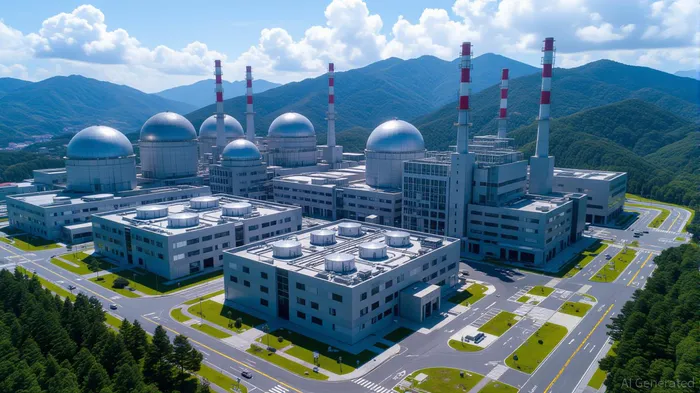
Taiwan's energy policy has long been a balancing act between environmental concerns, geopolitical risks, and the demands of its tech-driven economy. The 2023 nuclear referendum, which sought to restart the Maanshan plant, underscored this tension. While the vote failed to meet the required turnout threshold, it revealed a deepening divide over how to power an economy that produces 60% of the world's semiconductors and is a linchpin of global AI infrastructure. For investors, the implications of this energy dilemma extend far beyond policy debates—they shape the risk profiles of energy-dependent sectors and the long-term viability of Taiwan's technological leadership.
The Nuclear Referendum: A Policy Crossroads
The Maanshan plant's shutdown in May 2025 marked the culmination of the Democratic Progressive Party's (DPP) decade-long plan to phase out nuclear power. However, the referendum highlighted growing unease about energy reliability, particularly in the context of rising geopolitical tensions with China and the energy demands of AI and semiconductor manufacturing. Proponents, including opposition parties and industry leaders, argued that nuclear power offers a stable, low-carbon alternative to fossil fuels, which currently supply 80% of Taiwan's electricity. Critics, meanwhile, emphasized seismic risks and unresolved nuclear waste storage issues.
The referendum's failure to pass does not resolve the underlying question: Can Taiwan maintain its energy-intensive industries without nuclear power? The answer hinges on two factors: the pace of renewable energy adoption and the geopolitical stability of energy imports.
Energy Security and the Semiconductor Sector
Semiconductors and AI infrastructure are among the most energy-intensive industries in Taiwan. TSMCTSM--, the world's largest chipmaker, consumes 12% of the island's electricity. A disruption in energy supply—whether due to a natural disaster, a Chinese blockade, or a shift in policy—could ripple across global supply chains.
Investors must weigh the risks of energy instability against the potential rewards of Taiwan's tech sector. A prolonged reliance on imported natural gas and coal, for instance, could drive up energy costs and reduce profit margins for manufacturers. Conversely, a successful transition to renewables—such as the government's 2025 target of 20% renewable energy—could insulate the sector from price volatility. However, achieving this target requires significant investment in grid modernization and energy storage, areas where private-sector participation is critical.
Global Energy Trends and Strategic Positioning
Taiwan's energy policy is not isolated from global trends. The EU's recent classification of nuclear power as “green” energy has reignited debates about its role in decarbonization. Meanwhile, the U.S. Inflation Reduction Act's incentives for clean energy and semiconductor manufacturing create a dual imperative: reduce carbon footprints while maintaining energy security.
For Taiwan, the challenge is to align with these global shifts while navigating its unique geopolitical constraints. A nuclear-free policy could align with international climate goals but may leave the island vulnerable to energy shortages. Conversely, reviving nuclear power could enhance energy independence but risks public backlash and regulatory delays.
Investment Opportunities and Risks
The energy transition in Taiwan presents both risks and opportunities for investors:
- Renewables and Energy Storage: Companies involved in solar, wind, and battery technology stand to benefit from government incentives. Firms like Recurrent Energy and Formosa Plastics Group's renewable divisions are already expanding capacity.
- Grid Modernization: Upgrading infrastructure to handle intermittent renewable energy sources is a $10 billion market. Investors should monitor contracts awarded to firms like Taipower and international players like Siemens Energy.
- Energy-Intensive Sectors: Semiconductor and AI firms face higher operational costs if energy prices rise. Diversifying energy sources or investing in on-site generation (e.g., microgrids) could mitigate this risk.
- Geopolitical Exposure: Energy imports from China or Southeast Asia remain a vulnerability. Diversifying suppliers or investing in LNG terminals could reduce this risk but require long-term capital.
The Path Forward: Policy Uncertainty as a Double-Edged Sword
The 2023 referendum's outcome leaves Taiwan in a policy limbo. While the DPP's nuclear phaseout is complete, the KMT's push for a reassessment suggests future volatility. For investors, this uncertainty is a double-edged sword: it could spur innovation in renewables but also create regulatory headwinds for energy-dependent industries.
The key takeaway is that Taiwan's energy strategy will shape its tech sector's competitiveness. A failure to resolve the energy dilemma could erode investor confidence, while a successful transition to a diversified, resilient energy mix could attract capital.
Conclusion: Balancing Act for Long-Term Growth
Taiwan's energy policy reversal—or lack thereof—will have cascading effects on its tech-driven economy. For investors, the priority is to hedge against energy instability while capitalizing on the island's strengths in innovation. This means diversifying energy portfolios, supporting renewable infrastructure, and closely monitoring policy shifts. In a world where energy and technology are inextricably linked, Taiwan's next move could determine its place in the global tech hierarchy for decades to come.

Decoding blockchain innovations and market trends with clarity and precision.
Latest Articles
Stay ahead of the market.
Get curated U.S. market news, insights and key dates delivered to your inbox.




Comments
No comments yet