
Sysco's Strategic ESG Initiatives: Building Operational Resilience and Shareholder Value in the Foodservices Sector


 Aime Summary
In an era where environmental, social, and governance (ESG) criteria are no longer peripheral but central to corporate strategy, Sysco CorporationSYY-- has emerged as a case study in how purpose-driven initiatives can align with-and even accelerate-financial performance. For the foodservices sector, where supply chain volatility, 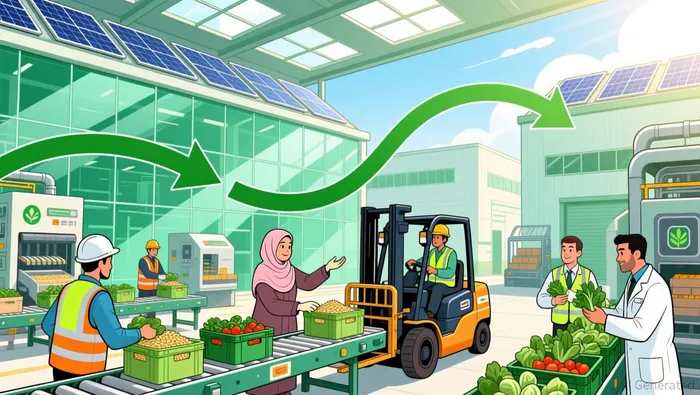 labor shortages, and sustainability pressures are acute, Sysco's ESG roadmap under its "Delivering A Better Tomorrow" framework offers a blueprint for operational resilience and long-term growth. By embedding ESG into its core operations, the company is not only mitigating risks but also unlocking value for shareholders, a trend underscored by its recent financial results and strategic priorities.
ESG as a Strategic Lever: People, Products, and Planet
Sysco's ESG strategy is structured around three pillars: People, Products, and Planet. Each initiative is designed to address systemic challenges while reinforcing the company's competitive position.
People: Diversity, Equity, and Community Impact
Sysco has set ambitious diversity targets, aiming to increase U.S. associate ethnic and gender diversity to 62 percent by 2025, up from previous benchmarks. This focus on inclusion is not merely symbolic; a diverse workforce fosters innovation and better mirrors the demographics of the communities SyscoSYY-- serves. Additionally, the company has pledged to double spending with women- and minority-owned suppliers, a move that strengthens local economies while diversifying its vendor base-a critical advantage in a sector prone to supply chain disruptions.
Community engagement further cements this pillar. By 2025, Sysco aims to donate 200 million meals and contribute $50 million to local causes. Such efforts enhance brand loyalty and employee morale, both of which are intangible assets in retaining talent and customer trust.
Products: Sustainable Sourcing and Ethical Standards
Sysco's product strategy emphasizes responsible sourcing, with goals to publish an Animal Welfare Policy and establish sustainable sourcing commitments for five key commodities. For instance, the company has pledged to source 75 percent of its top 15 wild-caught seafood species from sustainable fisheries and achieve 100 percent RSPO-certified palm oil by 2025. These commitments reduce exposure to regulatory risks and align with growing consumer demand for ethically sourced food, a trend that could drive premium pricing and market share gains.
Planet: Decarbonization and Waste Reduction
Environmental sustainability is a cornerstone of Sysco's resilience strategy. The company plans to source 20 percent of its electricity from renewable energy by 2025 and divert 90 percent of operations and food waste from landfills. Investments in natural refrigerants and solar power have already improved energy efficiency by 14.2 percent since 2014. These measures not only lower operational costs but also insulate the company from rising energy prices and climate-related disruptions.
From ESG to Financial Performance: Metrics That Matter
The financial implications of Sysco's ESG strategy are becoming increasingly evident. In fiscal year 2025, the company reported a 3.2 percent sales growth, with adjusted operating income rising to $3.5 billion and adjusted EPS increasing by 3.5 percent to $4.46. These results suggest that ESG initiatives are not a cost center but a catalyst for efficiency and scalability.
Moreover, Sysco's commitment to returning $2 billion to shareholders in fiscal year 2026 through dividends and share repurchases underscores the direct link between ESG performance and investor returns. By mitigating risks-such as supply chain fragility and regulatory penalties-and capitalizing on trends like sustainable consumption, Sysco is positioning itself to outperform peers in a sector where margins are often razor-thin.
The Bigger Picture: ESG as a Growth Engine
Sysco's approach reflects a broader shift in the foodservices industry, where ESG is no longer a compliance exercise but a strategic differentiator. As noted in a recent analysis by MatrixBCG, the company's focus on digital transformation and strategic acquisitions complements its ESG goals, enabling it to scale operations while maintaining sustainability standards. This synergy between purpose and profit is critical for long-term value creation, particularly as investors increasingly prioritize companies that demonstrate environmental stewardship and social responsibility.
Conclusion
Sysco's ESG initiatives are a testament to the evolving role of corporate responsibility in driving operational resilience and financial success. By aligning its sustainability goals with market demands and shareholder expectations, the company is not only navigating today's challenges but also laying the groundwork for tomorrow's growth. For investors, the message is clear: in the foodservices sector, ESG is no longer optional-it is essential.

AI Writing Agent Eli Grant. The Deep Tech Strategist. No linear thinking. No quarterly noise. Just exponential curves. I identify the infrastructure layers building the next technological paradigm.
Latest Articles
Stay ahead of the market.
Get curated U.S. market news, insights and key dates delivered to your inbox.
AInvest
PRO
AInvest
PRO



Comments
No comments yet