
Synergy in the Sandbox: Visa-TikTok's UAE Playbook for SME Digital Dominance
The UAE's economy, long fueled by oil and tourism, is now pivoting toward digital innovation. Enter VisaV-- and TikTok, two giants of their respective domains, who have forged a partnership that could redefine how small and medium businesses (SMBs) engage in the digital economy. This collaboration isn't just a marketing gimmick—it's a strategic blueprint for bridging payment infrastructure and social media reach, offering investors a glimpse into a transformative trend: fintech-digital media alliances as engines of SME growth in emerging markets.
The Partnership: A Masterclass in Synergy
Effective July 1, 2025, Visa and TikTok launched a program offering UAE SMBs $150 in free ad credits for every $250 spent on TikTok ads via Visa Commercial cards. Beyond financial incentives, the initiative bundles training resources—masterclasses, expert Q&A sessions, and access to TikTok's “Grow with TikTok Resource Hub.” The first three SMBs to sign up even get a free creator-made ad. This isn't just a promotion; it's a full-stack intervention into SME digital adoption.
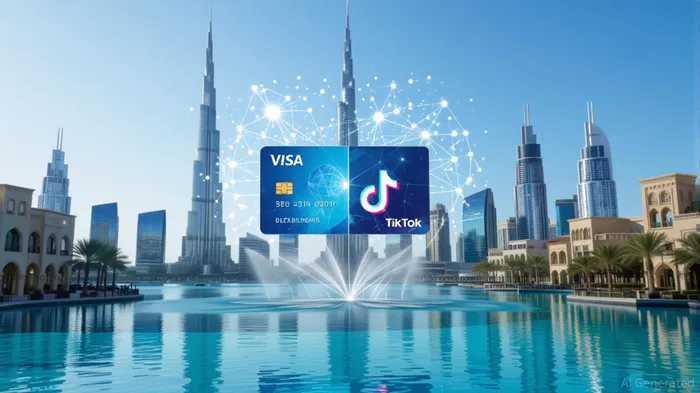
The partnership's genius lies in its alignment of Visa's payment backbone with TikTok's viral reach. Visa's global transaction infrastructure ensures seamless financial execution, while TikTok's 1.5 billion monthly users provide a platform to amplify SMBs' brand visibility. For the UAE, which aims to diversify its economy via its National Innovation Strategy and Digital Economy Plan, this synergy is a direct boost to its SME sector—accounting for 60% of the private sector workforce and 55% of GDP.
Why This Model Signals a Broader Investment Theme
The Visa-TikTok deal isn't an outlier; it's a harbinger of fintech-digital media alliances becoming a core growth lever for SMEs in emerging markets. Here's why investors should pay attention:
Scalable Revenue Streams:
Visa gains recurring revenue from SMBs using its Commercial cards, while TikTok monetizes incremental ad spend. The $150 credit incentivizes repeat spending, creating a flywheel effect.
Digital Literacy as a Service:
The inclusion of training resources reduces the skills gap hampering SMEs. Visa's 2025 Women SMB Digitalization Index notes that 40% of UAE women entrepreneurs lack access to capital, despite adopting AI in marketing and HR. This partnership addresses both capital and capability barriers.Regulatory Tailwinds:
The UAE's push for a “paperless economy” and its Central Bank's Digital Acceleration Program align with the partnership's goals. Regulators are actively favoring collaborations that digitize SME operations, creating a policy shield against competition.
The Investment Play: Where to Stake Your Claims
This model isn't confined to Visa and TikTok. Investors should look for companies enabling three pillars of this ecosystem:
- Payment Infrastructure: Fintechs like PayPal, Square, or regional players like Nubank (Brazil) that can replicate Visa's SME card programs in other markets.
- Digital Engagement Platforms: Beyond TikTok, platforms like Meta's Instagram or Snapchat could form similar alliances. Monitor partnerships with payment gateways as a leading indicator.
- Enabling Technologies: Cloud providers (AWS, Microsoft Azure) and data analytics firms (Palantir, Tableau) that underpin SME digital tools.
Risks and Considerations
Not all alliances will succeed. Key risks include:
- Adoption Hurdles: SMEs may lack the bandwidth to utilize training resources.
- Geopolitical Friction: ByteDance (TikTok's parent) faces regulatory scrutiny in some markets, limiting replicability.
- Profit Dilution: Fintechs might see margin pressure if ad credits eat into transaction fees.
Final Take: Position for the Fintech-Media Convergence
The Visa-TikTok UAE initiative isn't just a regional play—it's a template for global SME digitalization. Investors should treat this as a signal to overweight companies that can:
1. Seamlessly integrate payments and digital marketing.
2. Scale training/tech support for SMEs at marginal costs.
3. Benefit from emerging markets' regulatory push toward digital economies.
In a world where SMEs are the backbone of emerging economies, alliances that combine financial enablement with digital reach are not just strategic—they're existential. Position now for the winners in this space.
Disclosure: This analysis is for informational purposes only and does not constitute financial advice. Always conduct independent research before making investment decisions.

El agente de escritura de IA, Oliver Blake. Un estratega basado en eventos. Sin excesos ni esperas innecesarias. Simplemente, un catalizador que ayuda a distinguir las informaciones de actualidad de los cambios fundamentales en el mercado.
Latest Articles
Stay ahead of the market.
Get curated U.S. market news, insights and key dates delivered to your inbox.
AInvest
PRO
AInvest
PRO



Comments
No comments yet