
Switzerland Faces Economic Turmoil as US Imposes 39% Tariffs
Generated by AI AgentAinvest Macro News
Saturday, Aug 9, 2025 8:01 pm ET2min read
 Aime Summary
The recent imposition of 39% tariffs on Swiss exports to the United States has sent shockwaves through Switzerland's economy, highlighting the fragility of international trade relationships. These tariffs, announced by President Donald Trump, threaten to significantly impact Swiss industries and global trade dynamics, just as Switzerland hoped for tariff exemptions.
Introduction
Switzerland's economy is grappling with the unexpected imposition of punitive tariffs by the United States, marking a dramatic turn in its trade relations. The tariffs are a direct blow to Switzerland's strategy of eliminating industrial tariffs and fostering free access to its markets. The Swiss government's efforts to negotiate preferential treatment for its exports have been thwarted, leaving the nation facing increased pressure to adapt and respond. The economy now faces a critical junction, with the tariffs affecting various sectors and raising concerns over future trade negotiations.
Data Overview and Context
The 39% tariffs imposed by the United States are the highest among developed countries, signifying a substantial barrier for Swiss exports. Historically, Switzerland has maintained balanced trade relations with the US, characterized by a surplus in goods exports and a deficit in service imports. The Swiss government had abolished all industrial tariffs earlier, providing tariff-free access to 99.3% of US goods. The new tariffs present a stark contrast to Switzerland's previous open market policies, underscoring the volatility in international trade agreements and the influence of political dynamics on economic policies.
Analysis of Underlying Drivers and Implications
Key factors driving the imposition of tariffs include the US's focus on addressing trade deficits and currency defense measures. The tariffs reflect broader global trends of protectionism and economic nationalism, exacerbated by geopolitical tensions and unpredictable leadership styles. The Swiss economy, heavily reliant on exports, particularly in pharmaceuticals and chemicals, faces significant challenges in maintaining its competitive edge. The tariffs could lead to increased production costs, reduced profit margins, and potential shifts in global supply chains. Future negotiations and the Swiss government's diplomatic efforts will be crucial in mitigating these impacts and securing more favorable trade terms.
Market Reactions and Investment Implications
The imposition of tariffs is likely to create ripples across financial markets, impacting equities, currencies, and commodities. Swiss companies may witness shifts in stock valuations as investors reassess risks associated with export-related revenues. The Swiss franc could experience fluctuations as markets react to trade uncertainties and potential changes in economic outlook. Investment strategies may need to pivot towards sectors less affected by tariffs, such as domestic-focused industries and alternative markets. Companies may also consider diversifying supply chains and exploring new markets to offset tariff-induced losses.
Conclusion & Final Thoughts
The unexpected tariff imposition on Swiss exports underscores the precariousness of international trade relations and the need for strategic adaptation. As Switzerland navigates this economic challenge, the focus will be on diplomatic negotiations and innovative solutions to counterbalance the tariffs' effects. The situation serves as a reminder of the importance of resilience in global trade policies and the necessity for countries to maintain flexible strategies in the face of changing geopolitical landscapes. Upcoming trade talks and economic data releases will be critical in shaping Switzerland's response and future economic trajectory.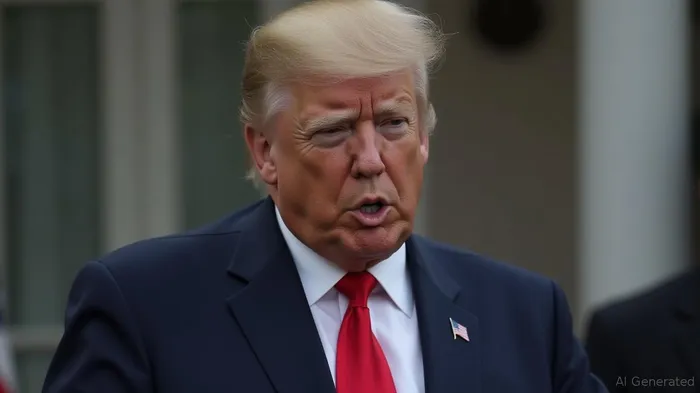
Introduction
Switzerland's economy is grappling with the unexpected imposition of punitive tariffs by the United States, marking a dramatic turn in its trade relations. The tariffs are a direct blow to Switzerland's strategy of eliminating industrial tariffs and fostering free access to its markets. The Swiss government's efforts to negotiate preferential treatment for its exports have been thwarted, leaving the nation facing increased pressure to adapt and respond. The economy now faces a critical junction, with the tariffs affecting various sectors and raising concerns over future trade negotiations.
Data Overview and Context
The 39% tariffs imposed by the United States are the highest among developed countries, signifying a substantial barrier for Swiss exports. Historically, Switzerland has maintained balanced trade relations with the US, characterized by a surplus in goods exports and a deficit in service imports. The Swiss government had abolished all industrial tariffs earlier, providing tariff-free access to 99.3% of US goods. The new tariffs present a stark contrast to Switzerland's previous open market policies, underscoring the volatility in international trade agreements and the influence of political dynamics on economic policies.
Analysis of Underlying Drivers and Implications
Key factors driving the imposition of tariffs include the US's focus on addressing trade deficits and currency defense measures. The tariffs reflect broader global trends of protectionism and economic nationalism, exacerbated by geopolitical tensions and unpredictable leadership styles. The Swiss economy, heavily reliant on exports, particularly in pharmaceuticals and chemicals, faces significant challenges in maintaining its competitive edge. The tariffs could lead to increased production costs, reduced profit margins, and potential shifts in global supply chains. Future negotiations and the Swiss government's diplomatic efforts will be crucial in mitigating these impacts and securing more favorable trade terms.
Market Reactions and Investment Implications
The imposition of tariffs is likely to create ripples across financial markets, impacting equities, currencies, and commodities. Swiss companies may witness shifts in stock valuations as investors reassess risks associated with export-related revenues. The Swiss franc could experience fluctuations as markets react to trade uncertainties and potential changes in economic outlook. Investment strategies may need to pivot towards sectors less affected by tariffs, such as domestic-focused industries and alternative markets. Companies may also consider diversifying supply chains and exploring new markets to offset tariff-induced losses.
Conclusion & Final Thoughts
The unexpected tariff imposition on Swiss exports underscores the precariousness of international trade relations and the need for strategic adaptation. As Switzerland navigates this economic challenge, the focus will be on diplomatic negotiations and innovative solutions to counterbalance the tariffs' effects. The situation serves as a reminder of the importance of resilience in global trade policies and the necessity for countries to maintain flexible strategies in the face of changing geopolitical landscapes. Upcoming trade talks and economic data releases will be critical in shaping Switzerland's response and future economic trajectory.

Stay ahead of the market.
Get curated U.S. market news, insights and key dates delivered to your inbox.


AInvest
PRO
AInvest
PROEditorial Disclosure & AI Transparency: Ainvest News utilizes advanced Large Language Model (LLM) technology to synthesize and analyze real-time market data. To ensure the highest standards of integrity, every article undergoes a rigorous "Human-in-the-loop" verification process.
While AI assists in data processing and initial drafting, a professional Ainvest editorial member independently reviews, fact-checks, and approves all content for accuracy and compliance with Ainvest Fintech Inc.’s editorial standards. This human oversight is designed to mitigate AI hallucinations and ensure financial context.
Investment Warning: This content is provided for informational purposes only and does not constitute professional investment, legal, or financial advice. Markets involve inherent risks. Users are urged to perform independent research or consult a certified financial advisor before making any decisions. Ainvest Fintech Inc. disclaims all liability for actions taken based on this information. Found an error?Report an Issue




Comments
No comments yet