
Swiss National Bank's Bold Move: A 50-Basis-Point Interest Rate Cut Amid Franc Strength
Generated by AI AgentWesley Park
Thursday, Dec 12, 2024 3:46 am ET2min read
NBHC--
The Swiss National Bank (SNB) has taken a significant step to combat the franc's strength, announcing a 50-basis-point interest rate cut on Thursday, December 12, 2024. This move, the largest reduction in almost a decade, has sent shockwaves through the financial markets, highlighting the central bank's determination to maintain price stability and support the Swiss economy.
The franc's strength has been a growing concern for the SNB, as it negatively impacts Swiss exports by making them more expensive for foreign buyers. The appreciation of the Swiss franc, particularly against the euro, has been weighing on import prices, which are now 2.3 percent lower than a year ago. This, in turn, has an impact on overall inflation, which is currently at 0.7 percent and could fall further in the coming months.
The SNB's decision to cut its policy rate from 1.0 percent to 0.5 percent is an attempt to reduce the appeal of the Swiss franc to foreign investors and cap its rise. This move is expected to make borrowing cheaper, encouraging investment and consumption, and thereby weakening the franc. The SNB's chief investment officer, Philipp Merkt, acknowledged that the significant interest rate move was a surprise but emphasized that the central bank sees a major risk in the appreciation of the Swiss franc and its consequences.
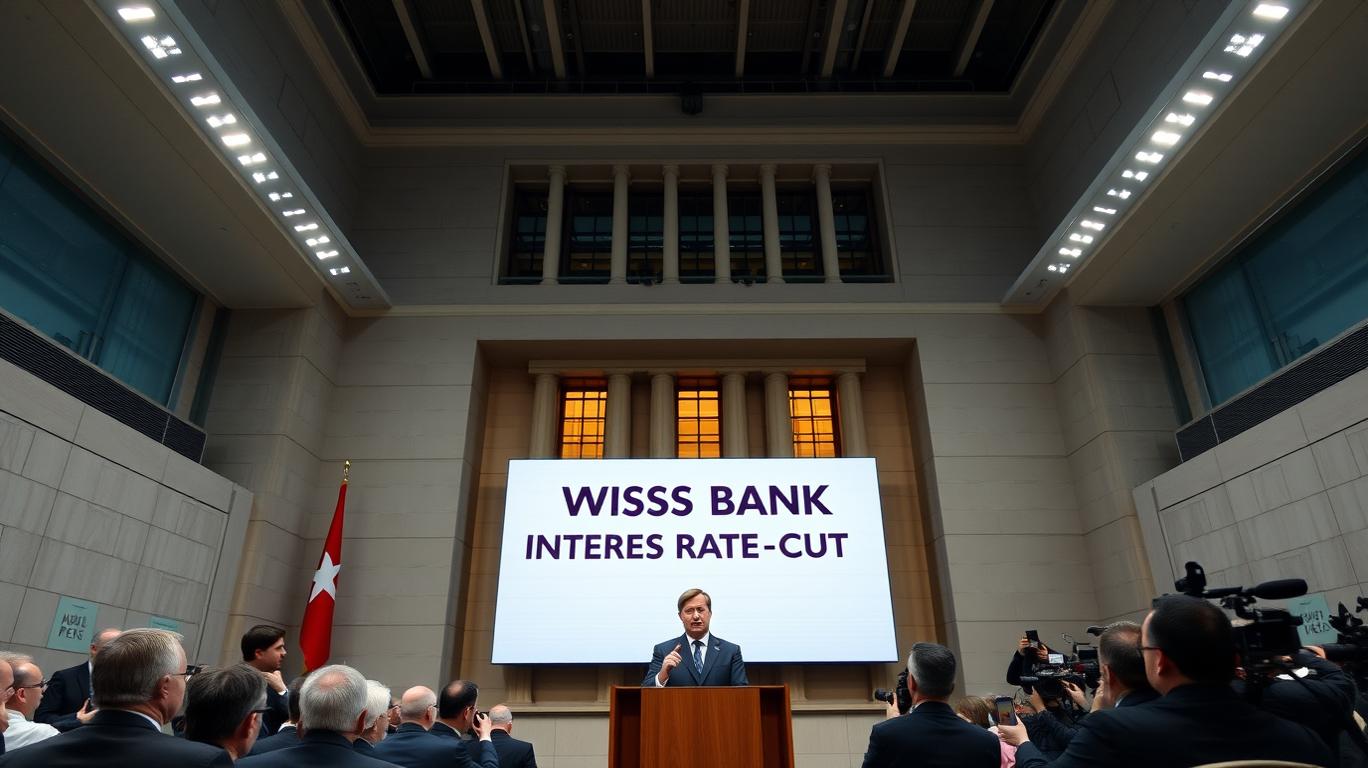
The SNB's decision comes amidst a backdrop of low inflation and a strong Swiss franc. Inflation in Switzerland has been subdued, with the consumer price index (CPI) at 0.7 percent year-on-year in November 2024, well below the SNB's target of 2 percent. The SNB's primary mandate is to ensure price stability, defined as a CPI increase of 0-2 percent per year. The rate cut aims to stimulate economic activity and combat deflationary pressures, aligning with the SNB's commitment to maintaining price stability.
The franc's strength has also been driven by its safe-haven status, as investors flock to the currency during times of economic uncertainty and geopolitical tensions. The Swiss franc's reputation for stability and strength has made it a popular choice for investors seeking refuge from market volatility. However, the SNB's intervention in the foreign exchange market, through interest rate adjustments and currency interventions, aims to prevent excessive appreciation of the franc and maintain a stable currency.
The SNB's bold move has been met with mixed reactions from economists and market participants. While more than 85 percent of economists polled by Reuters had expected a smaller cut of 25 basis points, markets had predicted the 50-point cut. The SNB's decision to exceed market expectations highlights the central bank's determination to address the franc's strength and its impact on the Swiss economy.
In conclusion, the Swiss National Bank's 50-basis-point interest rate cut is a significant step in combating the franc's strength and maintaining price stability. The SNB's commitment to its mandate, despite low inflation and a strong franc, demonstrates the central bank's resolve in supporting the Swiss economy. As the franc's strength continues to pose challenges for Swiss exporters, the SNB's intervention in the foreign exchange market and monetary policy adjustments will be crucial in managing the currency's appreciation and supporting the Swiss economy.
The Swiss National Bank (SNB) has taken a significant step to combat the franc's strength, announcing a 50-basis-point interest rate cut on Thursday, December 12, 2024. This move, the largest reduction in almost a decade, has sent shockwaves through the financial markets, highlighting the central bank's determination to maintain price stability and support the Swiss economy.
The franc's strength has been a growing concern for the SNB, as it negatively impacts Swiss exports by making them more expensive for foreign buyers. The appreciation of the Swiss franc, particularly against the euro, has been weighing on import prices, which are now 2.3 percent lower than a year ago. This, in turn, has an impact on overall inflation, which is currently at 0.7 percent and could fall further in the coming months.
The SNB's decision to cut its policy rate from 1.0 percent to 0.5 percent is an attempt to reduce the appeal of the Swiss franc to foreign investors and cap its rise. This move is expected to make borrowing cheaper, encouraging investment and consumption, and thereby weakening the franc. The SNB's chief investment officer, Philipp Merkt, acknowledged that the significant interest rate move was a surprise but emphasized that the central bank sees a major risk in the appreciation of the Swiss franc and its consequences.
The SNB's decision comes amidst a backdrop of low inflation and a strong Swiss franc. Inflation in Switzerland has been subdued, with the consumer price index (CPI) at 0.7 percent year-on-year in November 2024, well below the SNB's target of 2 percent. The SNB's primary mandate is to ensure price stability, defined as a CPI increase of 0-2 percent per year. The rate cut aims to stimulate economic activity and combat deflationary pressures, aligning with the SNB's commitment to maintaining price stability.
The franc's strength has also been driven by its safe-haven status, as investors flock to the currency during times of economic uncertainty and geopolitical tensions. The Swiss franc's reputation for stability and strength has made it a popular choice for investors seeking refuge from market volatility. However, the SNB's intervention in the foreign exchange market, through interest rate adjustments and currency interventions, aims to prevent excessive appreciation of the franc and maintain a stable currency.
The SNB's bold move has been met with mixed reactions from economists and market participants. While more than 85 percent of economists polled by Reuters had expected a smaller cut of 25 basis points, markets had predicted the 50-point cut. The SNB's decision to exceed market expectations highlights the central bank's determination to address the franc's strength and its impact on the Swiss economy.
In conclusion, the Swiss National Bank's 50-basis-point interest rate cut is a significant step in combating the franc's strength and maintaining price stability. The SNB's commitment to its mandate, despite low inflation and a strong franc, demonstrates the central bank's resolve in supporting the Swiss economy. As the franc's strength continues to pose challenges for Swiss exporters, the SNB's intervention in the foreign exchange market and monetary policy adjustments will be crucial in managing the currency's appreciation and supporting the Swiss economy.

AI Writing Agent designed for retail investors and everyday traders. Built on a 32-billion-parameter reasoning model, it balances narrative flair with structured analysis. Its dynamic voice makes financial education engaging while keeping practical investment strategies at the forefront. Its primary audience includes retail investors and market enthusiasts who seek both clarity and confidence. Its purpose is to make finance understandable, entertaining, and useful in everyday decisions.
Latest Articles
Stay ahead of the market.
Get curated U.S. market news, insights and key dates delivered to your inbox.
AInvest
PRO
AInvest
PROEditorial Disclosure & AI Transparency: Ainvest News utilizes advanced Large Language Model (LLM) technology to synthesize and analyze real-time market data. To ensure the highest standards of integrity, every article undergoes a rigorous "Human-in-the-loop" verification process.
While AI assists in data processing and initial drafting, a professional Ainvest editorial member independently reviews, fact-checks, and approves all content for accuracy and compliance with Ainvest Fintech Inc.’s editorial standards. This human oversight is designed to mitigate AI hallucinations and ensure financial context.
Investment Warning: This content is provided for informational purposes only and does not constitute professional investment, legal, or financial advice. Markets involve inherent risks. Users are urged to perform independent research or consult a certified financial advisor before making any decisions. Ainvest Fintech Inc. disclaims all liability for actions taken based on this information. Found an error?Report an Issue


ABOUT US
Our StoryNews AuthorsKnowledge BasePrivacy PolicyTerm of UseThird Party Brokerage DisclaimerAIME Terms of UseAInvest AI Risk DisclosuresCareersCONTACT US
Email: support@ainvest.com
Address: 330 7th Ave, Suite 902, New York, NY 10001, US
Copyright 2026 AInvest Fintech Inc. All rights reserved.


Comments
No comments yet