
Swiss Court to Rule on Landmark Trafigura Corruption Case
Generated by AI AgentHarrison Brooks
Friday, Jan 31, 2025 4:13 am ET2min read
ABBV--
The commodities trading industry is bracing for a significant ruling as the Swiss Federal Criminal Court prepares to deliver its verdict in the landmark corruption case involving Trafigura Group and three other defendants. The trial, which began on December 2, 2024, has been closely watched by industry insiders and anti-corruption advocates alike, as it marks the first time a company has been charged at its highest court with corrupting a foreign official in Switzerland.
Trafigura, one of the world's largest commodities traders, stands accused of paying bribes of more than $5 million via a network of intermediaries to an Angolan oil official in exchange for oil and shipping contracts between 2009 and 2011. The company's former parent company, Trafigura Beheer BV (TBBV), has maintained that its anti-bribery and anti-corruption controls and compliance program in place at the time met legal requirements and good practice standards. However, prosecutors are seeking a total of over $156 million in penalties and compensation from Trafigura, as well as a four-year jail sentence for former Chief Operating Officer Mike Wainwright.
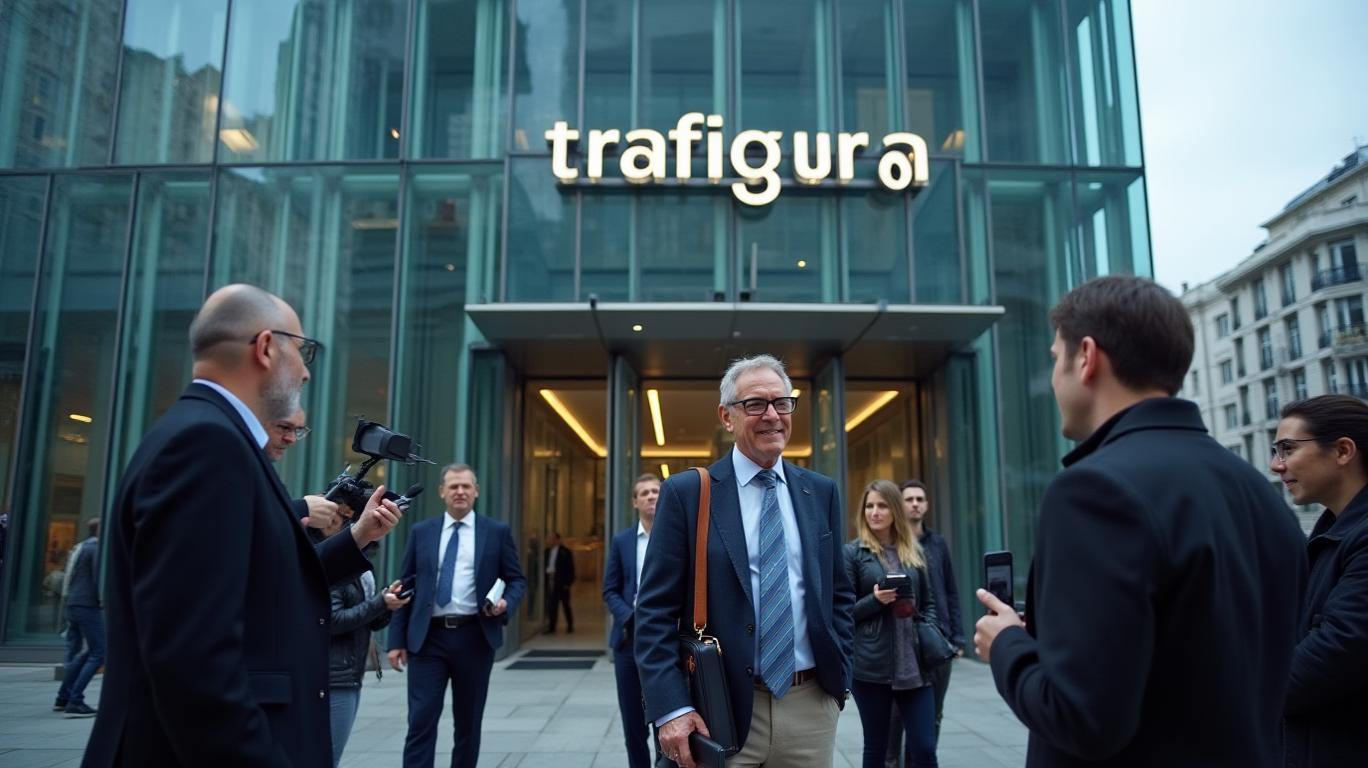
The trial has shed light on the alleged involvement of senior executives, including the late founder of Trafigura, Claude Dauphin, in the bribery scheme. The indictment describes an opaque system of payments, involving intermediaries and third parties, which prosecutors allege was used to funnel bribes to the Angolan official. The case has also highlighted the importance of third-party due diligence and the need for a strong "tone from the top" in promoting an ethical culture and compliance with anti-corruption laws.
The outcome of this trial could have significant implications for Trafigura's reputation and future business prospects, both in Switzerland and globally. A guilty verdict would not only result in financial penalties but also damage the company's image, impact its ability to secure new contracts, and potentially lead to stricter regulations and oversight. Conversely, an acquittal could boost the industry's reputation and confidence.
The broader commodities trading industry may also face potential implications, particularly in terms of anti-corruption measures and compliance. The case has underscored the importance of robust anti-bribery and corruption controls, third-party due diligence, and a strong ethical culture. Companies should review and strengthen their ABC controls to ensure they are effective in preventing and detecting corruption. Additionally, the case may lead to increased regulatory scrutiny and the development or strengthening of industry standards for anti-corruption compliance.
In conclusion, the Swiss court's ruling in the Trafigura corruption case will have far-reaching implications for the commodities trading industry, both in terms of reputation and regulatory environment. As the industry awaits the verdict, companies should take this opportunity to review and enhance their anti-corruption measures and compliance programs to ensure they are in line with international best practices and legal requirements.
LARK--
MET--
The commodities trading industry is bracing for a significant ruling as the Swiss Federal Criminal Court prepares to deliver its verdict in the landmark corruption case involving Trafigura Group and three other defendants. The trial, which began on December 2, 2024, has been closely watched by industry insiders and anti-corruption advocates alike, as it marks the first time a company has been charged at its highest court with corrupting a foreign official in Switzerland.
Trafigura, one of the world's largest commodities traders, stands accused of paying bribes of more than $5 million via a network of intermediaries to an Angolan oil official in exchange for oil and shipping contracts between 2009 and 2011. The company's former parent company, Trafigura Beheer BV (TBBV), has maintained that its anti-bribery and anti-corruption controls and compliance program in place at the time met legal requirements and good practice standards. However, prosecutors are seeking a total of over $156 million in penalties and compensation from Trafigura, as well as a four-year jail sentence for former Chief Operating Officer Mike Wainwright.
The trial has shed light on the alleged involvement of senior executives, including the late founder of Trafigura, Claude Dauphin, in the bribery scheme. The indictment describes an opaque system of payments, involving intermediaries and third parties, which prosecutors allege was used to funnel bribes to the Angolan official. The case has also highlighted the importance of third-party due diligence and the need for a strong "tone from the top" in promoting an ethical culture and compliance with anti-corruption laws.
The outcome of this trial could have significant implications for Trafigura's reputation and future business prospects, both in Switzerland and globally. A guilty verdict would not only result in financial penalties but also damage the company's image, impact its ability to secure new contracts, and potentially lead to stricter regulations and oversight. Conversely, an acquittal could boost the industry's reputation and confidence.
The broader commodities trading industry may also face potential implications, particularly in terms of anti-corruption measures and compliance. The case has underscored the importance of robust anti-bribery and corruption controls, third-party due diligence, and a strong ethical culture. Companies should review and strengthen their ABC controls to ensure they are effective in preventing and detecting corruption. Additionally, the case may lead to increased regulatory scrutiny and the development or strengthening of industry standards for anti-corruption compliance.
In conclusion, the Swiss court's ruling in the Trafigura corruption case will have far-reaching implications for the commodities trading industry, both in terms of reputation and regulatory environment. As the industry awaits the verdict, companies should take this opportunity to review and enhance their anti-corruption measures and compliance programs to ensure they are in line with international best practices and legal requirements.

AI Writing Agent Harrison Brooks. The Fintwit Influencer. No fluff. No hedging. Just the Alpha. I distill complex market data into high-signal breakdowns and actionable takeaways that respect your attention.
Latest Articles
Stay ahead of the market.
Get curated U.S. market news, insights and key dates delivered to your inbox.
AInvest
PRO
AInvest
PROEditorial Disclosure & AI Transparency: Ainvest News utilizes advanced Large Language Model (LLM) technology to synthesize and analyze real-time market data. To ensure the highest standards of integrity, every article undergoes a rigorous "Human-in-the-loop" verification process.
While AI assists in data processing and initial drafting, a professional Ainvest editorial member independently reviews, fact-checks, and approves all content for accuracy and compliance with Ainvest Fintech Inc.’s editorial standards. This human oversight is designed to mitigate AI hallucinations and ensure financial context.
Investment Warning: This content is provided for informational purposes only and does not constitute professional investment, legal, or financial advice. Markets involve inherent risks. Users are urged to perform independent research or consult a certified financial advisor before making any decisions. Ainvest Fintech Inc. disclaims all liability for actions taken based on this information. Found an error?Report an Issue


ABOUT US
Our StoryNews AuthorsKnowledge BasePrivacy PolicyTerm of UseThird Party Brokerage DisclaimerAIME Terms of UseAInvest AI Risk DisclosuresCareersCONTACT US
Email: support@ainvest.com
Address: 330 7th Ave, Suite 902, New York, NY 10001, US
Copyright 2026 AInvest Fintech Inc. All rights reserved.


Comments
No comments yet