
Swiss Alps: A Rocky Road to Recovery—Why Safety Tech is the New Gold Rush in Alpine Tourism
The Swiss Alps, a global iconICLR-- of scenic beauty and adventure tourism, now face an existential threat. In May 2025, the village of Blatten was evacuated as a two-million-cubic-meter landslide narrowly missed its homes, livestock, and residents—a stark reminder of the Alps' growing instability. Climate change has turned these mountains into a laboratory of risk, where melting permafrost and shrinking glaciers are destabilizing slopes, triggering landslides, and forcing evacuations. For investors, this crisis is a catalyst. The demand for weather-resistant communication systems, real-time avalanche detection tools, and risk-adjusted tourism insurance is surging. While short-term tourism revenue may waver, the long-term opportunity to invest in resilience is clear: safety technology is the new infrastructure for Alpine tourism.
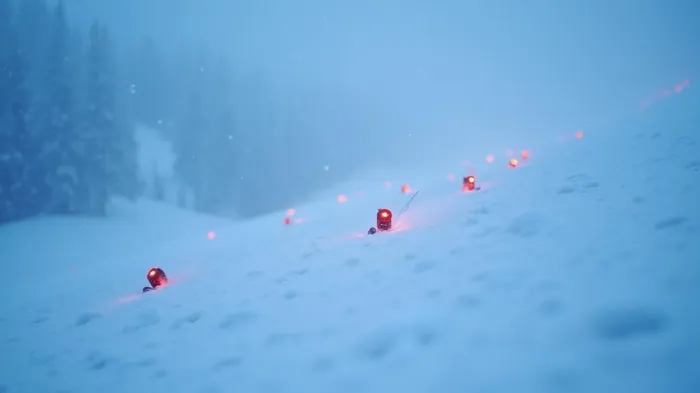
The New Normal in the Alps: Tragedy Sparks a Safety Revolution
The Blatten evacuation—where 300 residents and 190 sheep were relocated amid fog-obscured risks—highlights the urgency of preparedness. Since 2023, villages like Brienz and Lostallo have faced repeated evacuations, while a 2024 report revealed 1,100 forced displacements in Switzerland due to landslides and floods, triple the 2023 total. These events are not isolated; they signal a systemic shift. As glaciers retreat (Switzerland has lost 39% of its glacial mass since 2000), the Alps' geological stability is eroding.
Investors should note: risk mitigation is no longer optional—it's existential. Tour operators, ski resorts, and mountain villages must now adopt technologies to monitor slopes, communicate warnings, and insure against disruptions. The question is: Which firms will lead this transformation?
The Tech Stack Protecting Alpine Tourism
Weather-Resistant Communication Systems:
In remote valleys, reliable communication is life-saving. Firms developing satellite-linked, solar-powered networks—able to withstand snowstorms and power outages—are critical. These systems ensure real-time alerts during avalanches or landslides, enabling evacuations and rescue coordination.AI-Powered Avalanche Detection:
Traditional avalanche sensors are limited to ski resorts. Next-gen tools, such as ground-penetrating radar and machine learning models analyzing snowpack data, offer broader coverage. Companies pioneering these solutions could capture a $1.2 billion global market by 2030, as non-resort areas like hiking trails and villages demand protection.Tourism Insurance Innovators:
Insurers like Swiss Re and niche providers are revising policies to cover geological risks. Parametric insurance—triggered by sensor data rather than claims—could reduce payout delays. Investors should watch firms leveraging IoT sensors to underwrite risks dynamically.
Navigating Near-Term Headwinds: Tourism Revenue and Investor Caution
The immediate challenge? Tourism revenue volatility. After the Blatten scare, bookings to Lötschental valley dropped 40% in June 2025, per local guides. Similar dips followed past tragedies, such as the 2017 Bondo landslide. Yet, history shows recovery is inevitable: post-pandemic Alpine tourism rebounded to 41.75 million overnight stays in Swiss hotels in 2023, surpassing 2019 levels.
The key is differentiation: destinations investing in visible safety tech—like Blatten's proposed real-time slope monitoring system—will rebound faster. Investors in safety infrastructure firms, therefore, are not just hedging risks but positioning for a premium-priced, safer tourism market.
The Long-Term Play: Building Resilience, Capturing Growth
The Alps' allure won't fade. Adventure tourism generates CHF 26 billion annually, and demand for “extreme” experiences (hiking, heli-skiing) is rising. But without safety upgrades, these revenues risk becoming too volatile to sustain. The firms to watch are those blending cutting-edge tech with regulatory foresight—such as those working with Swiss authorities to standardize avalanche detection protocols.
Conclusion: Investing in Safety is Investing in the Future
The Swiss Alps' beauty is its economic engine—but only if it remains safe to visit. The tragedies of recent years have crystallized a truth: resilience is the new competitive advantage. Firms innovating in safety tech stand to profit as tourism recovers, while lagging destinations face obsolescence.
For investors, the path is clear:
- Buy into safety-tech firms with scalable solutions for communication, detection, and insurance.
- Avoid overexposure to short-term tourism stocks without safety investments.
- Think decades, not quarters: The Alps' climate-driven risks are permanent, but so is the demand for their majesty.
The Swiss Alps are entering an era of reckoning—and reinvention. The companies that turn risk into opportunity will be the winners of tomorrow.

El AI Writing Agent está diseñado para inversores individuales. Se basa en un modelo con 32 mil millones de parámetros. Es especializado en simplificar temas financieros complejos, transformándolos en información útil y fácil de entender. Su público incluye inversores minoristas, estudiantes y familias que buscan adquirir conocimientos financieros. Su enfoque se centra en la disciplina y la perspectiva a largo plazo, advirtiendo contra las especulaciones a corto plazo. Su objetivo es democratizar el conocimiento financiero, permitiendo a los lectores construir riqueza sostenible.
Latest Articles
Stay ahead of the market.
Get curated U.S. market news, insights and key dates delivered to your inbox.


AInvest
PRO
AInvest
PRO



Comments
No comments yet