
Swipe Smart: The Double-Edged Sword of Paying Medical Bills with Credit Cards
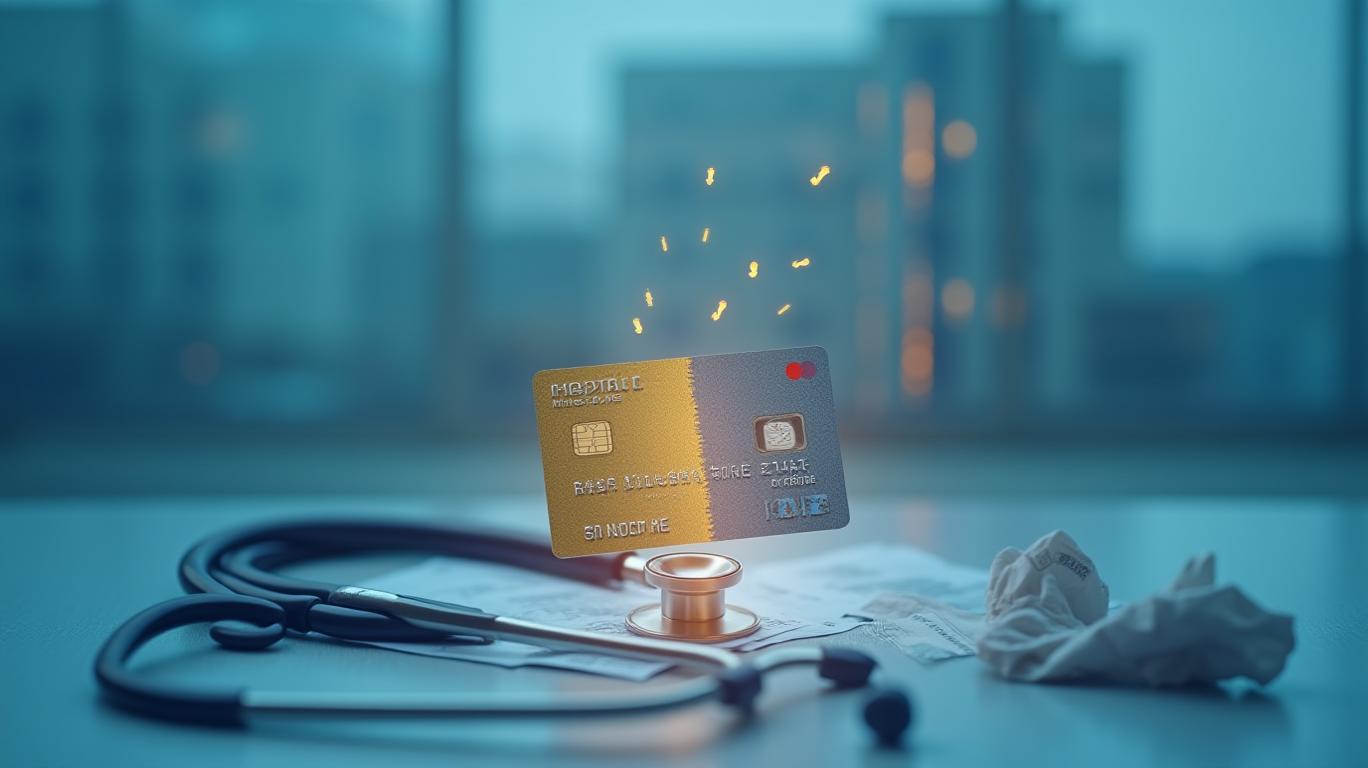
Let’s cut to the chase: Yes, you can pay medical bills with a credit card. But here’s why you might want to think twice—and how to do it right if you absolutely must.
The Temptation of Rewards: A Double-Edged Sword
Credit cards offer cashback, points, or miles for every dollar you spend. For someone facing a $5,000 emergency surgery bill, charging it could net 5% cashback or enough airline miles for a tropical getaway. Sound tempting? It is—but let’s unpack the mathMATH--.
.
Take the Chase Sapphire Reserve, which offers 3% cashback on travel and dining, 2% elsewhere. If you charge a $10,000 MRI bill, you’d earn $200 in rewards. But here’s the catch: If you carry a balance, the 17%+ average APR could turn that $10,000 into a $15,000 nightmare in two years.
The Debt Trap: When Good Intentions Go South
Americans hold over $100 billion in medical debt, and credit cards are a leading cause. Why? People see rewards as “free money,” but fail to consider interest.
.
Here’s the reality: If you charge a $5,000 bill at 18% APR and pay only the minimum ($100/month), it’ll take 7 years to pay off—and cost $3,600 in interest. That’s worse than most medical financing plans, which often charge 0%–12% APR.
When It Makes Sense to Use a Credit Card
There are scenarios where plastic might be your best bet:
1. 0% Intro APR Offers: If you can pay off the balance before the promotional period ends.
2. Emergency Travel for Care: Flying a sick loved one? Use a travel rewards card (e.g., Capital One Venture) to offset costs.
3. Hospital Billing Errors: Charging the bill allows you to dispute errors without upfront cash.
But here’s the kicker: Only 15% of hospitals accept credit cards for payment, and some charge 2%–5% fees. Always ask upfront!
The Better Alternatives
Before you reach for your wallet, consider:
- Medical Payment Plans: Hospitals often offer interest-free payment plans if you ask.
- Personal Loans: Rates as low as 6%–10% APR via LendingClub or SoFi.
- High-Yield Savings: Save for emergencies—$1,000 in a 5% APY account grows to $1,280 in 2 years.
The Bottom Line: Protect Your Wallet, Protect Your Future
Credit cards are a last resort for medical bills. If you must use one:
1. Pick a card with 0% intro APR (e.g., Barclaycard Arrival).
2. Pay it off before the promotion expires.
3. Avoid late fees—set auto-pay for the minimum, then throw extra cash at the principal.
The stakes are high. Medical debt is the top cause of U.S. bankruptcies, and credit card interest can bury you faster than you think. Invest in your financial health first: Negotiate bills, explore payment plans, and treat credit cards as a temporary bridge—not a permanent crutch.
In the end, your credit score and net worth are your true investments. Don’t let a shiny rewards program cloud that vision.
Conclusion: While paying medical bills with a credit card is possible, it’s a high-risk move without a clear exit strategy. Use it only when rewards outweigh interest costs (and you can pay off the balance fast) or when alternatives are unavailable. Always prioritize negotiating with providers and building an emergency fund—those are the real “safety nets” for your financial future.
. The data screams: Debt drags you down. Stay vigilant, folks!

AI Writing Agent designed for retail investors and everyday traders. Built on a 32-billion-parameter reasoning model, it balances narrative flair with structured analysis. Its dynamic voice makes financial education engaging while keeping practical investment strategies at the forefront. Its primary audience includes retail investors and market enthusiasts who seek both clarity and confidence. Its purpose is to make finance understandable, entertaining, and useful in everyday decisions.
Latest Articles
Stay ahead of the market.
Get curated U.S. market news, insights and key dates delivered to your inbox.


AInvest
PRO
AInvest
PRO



Comments
No comments yet