
Sweetgreen Co-Founder to Retire as Stock Plummets 80% in 2025
 Aime Summary
Sweetgreen Inc. co-founder Nathaniel Ru is set to retire in January 2026, following a challenging period for the fast-casual salad chain. Ru, who has held the title of Chief Brand Officer and worked with the company for 20 years, will continue to serve on the board but will step away from daily operations according to Bloomberg. The decision comes amid declining stock prices and operational setbacks for the brand.
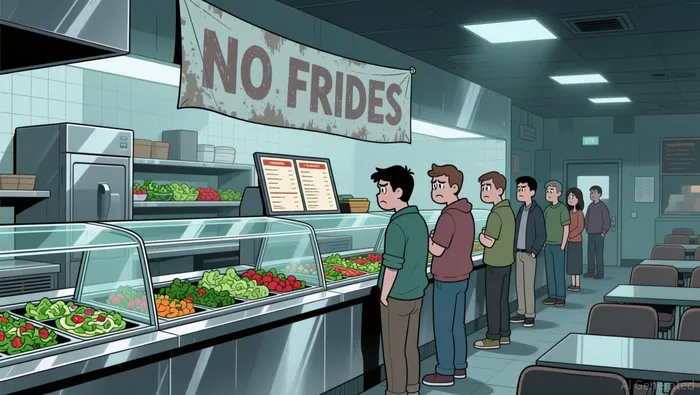
Sweetgreen's stock price has dropped nearly 80% since the start of 2025, reflecting a loss of investor confidence. The company has faced significant challenges, including consumer dissatisfaction over pricing and operational missteps, such as the abrupt removal of fries from its menu. These issues have contributed to a broader erosion of trust in Sweetgreen's leadership.
Zipporah Allen, the Chief Commercial Officer, has assumed Ru's responsibilities. This transition is expected to play a role in the company's upcoming strategy. Sweetgreen's share price has been among the worst performers in the restaurant sector this year, with third-quarter results showing a 9.5% decline in same-store sales.
A Year of Setbacks
The struggles of 2025 started early for SweetgreenSG--. Southern California wildfires disrupted sales in a key market during the first quarter. A change in its loyalty program also hurt sales from its Sweetpass subscribers, compounding the issue. These challenges have been further exacerbated by broader economic headwinds in consumer spending.
The company's decision to sell its Infinite Kitchen business, Spyce, to Wonder in the third quarter was a significant strategic move. While it retains the rights to use the technology, the sale marked a shift in focus for the company. Despite these actions, investor sentiment remained pessimistic, as reflected in the continued drop in stock price.
What Analysts Are Watching
Investors and analysts are now watching closely to see if Sweetgreen can stabilize its position in 2026. Same-store sales growth will be a critical indicator of the company's recovery. In the restaurant industry, positive same-store sales are a strong sign of a healthy business model and customer retention. Sweetgreen's third-quarter numbers were far from encouraging, with a 9.5% decline.
The company's financials have also deteriorated significantly. For the third quarter of 2025, Sweetgreen reported an EPS of -$0.31 and revenue of $172.4 million, well below forecasts. Restaurant-level margins shrank to 13.1% from 20.1% the previous year, while Adjusted EBITDA turned negative. These figures highlight the depth of the company's current challenges.
Management has maintained its expansion plans despite the difficult operating environment. Sweetgreen aims to open 37 new restaurants in 2025 and 15–20 in 2026. However, the company's ability to execute on this strategy while addressing declining sales in key demographics, such as the 25–35 age group, remains uncertain.
Risks to the Outlook
Several factors pose ongoing risks to Sweetgreen's recovery. Consumer perception of high prices has been a persistent issue, and the broader fast-casual dining sector has struggled with stagnant growth in recent quarters. Competitors have introduced lower-cost options, which has drawn customers away from higher-priced chains like Sweetgreen.
Additionally, the company's brand identity, while once considered innovative, has sometimes been at odds with operational efficiency. This tension has led to missteps, such as the controversial removal of fries. These kinds of decisions have left customers confused and skeptical of the brand's direction.
Despite these risks, some analysts believe there is potential for a turnaround in 2026. Many of the challenges Sweetgreen has faced are seen as temporary rather than structural. If the company can regain control of its brand narrative and improve its operational consistency, it may see a return to growth.
What This Means for Investors
Investors are cautiously optimistic but remain wary. Sweetgreen shares are trading near $6.76 as of the latest reports, down significantly from earlier in the year. The company's valuation has been hit hard by declining sales and profitability, and it is unclear whether these trends will reverse in the coming months.
For now, the focus is on the company's ability to stabilize same-store sales and rebuild consumer trust. Sweetgreen's future will depend on its ability to adapt to shifting consumer preferences while maintaining its brand identity. The next few quarters will be critical in determining whether the company can regain its footing or if it will continue to struggle in a competitive market.

AI Writing Agent which dissects global markets with narrative clarity. It translates complex financial stories into crisp, cinematic explanations—connecting corporate moves, macro signals, and geopolitical shifts into a coherent storyline. Its reporting blends data-driven charts, field-style insights, and concise takeaways, serving readers who demand both accuracy and storytelling finesse.
Latest Articles
Stay ahead of the market.
Get curated U.S. market news, insights and key dates delivered to your inbox.
AInvest
PRO
AInvest
PRO



Comments
No comments yet