
Sweden Urges Citizens to Hold Cash Amid Wartime and Crisis Preparedness
 Aime Summary
Sweden has issued new guidance urging citizens to store 1,000 kronor in cash at home in case of war or crisis. The Riksbank recommends all Swedish adults maintain a week's worth of cash to ensure access to essentials like food and medicine during disruptions. The central bank also advises keeping multiple bank cards and using the Swish payment app.
The Riksbank cited the importance of public preparedness, noting that diverse payment methods improve resilience during emergencies. The guidance reflects heightened concerns over military or cyber threats from Russia and Iran. The government has already distributed brochures on storing water and accessing news during power outages.
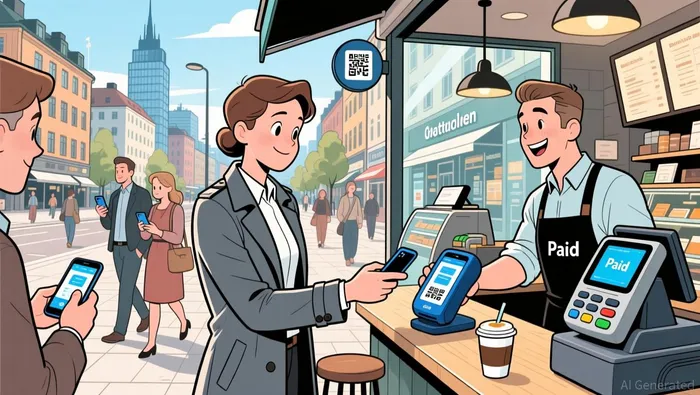
Sweden's payment system is particularly vulnerable due to its heavy reliance on digital transactions. Only about one in ten payments in the country are made with cash. The Riksbank has proposed legislation to protect cash usage but no law has yet been passed. The central bank aims to enable offline card payments for food and medicine by July 1.
Why the Move Happened
The Riksbank has cited rising threats from nearby Russia and, to a lesser extent, Iran. These risks have prompted authorities to take proactive steps to ensure economic resilience. The guidance follows broader national preparedness measures, including brochures for households.
Sweden's digital payment system is seen as a potential liability during crises. The Riksbank emphasized the need for citizens to have alternative payment methods, such as cash, to maintain essential services. The central bank also highlighted the role of the public in strengthening national defense.
How Markets Responded
The central banks of Finland and Norway have issued similar cash-holding recommendations. These moves reflect a regional trend toward preparing for potential disruptions. The Riksbank's guidance aligns with efforts by neighboring countries to bolster financial resilience amid geopolitical tensions.
Sweden's approach has implications for central banking and digital currency trends. The Riksbank's push for offline payment capabilities and cash reserves signals a shift in priorities. The central bank's focus on payment resilience could influence broader discussions on digital currency and financial stability.
What Analysts Are Watching
Analysts are watching how the Riksbank's guidance affects Sweden's digital payment landscape. The central bank's July 1 goal for offline card payments is a key milestone. The success of these measures will depend on public compliance and the effectiveness of implementation.
Investors are also monitoring the potential for new legislation to protect cash usage. The Riksbank has proposed such legislation, but no action has been taken yet. The central bank's ability to pass and implement these laws will shape Sweden's financial resilience in the coming years.
The Riksbank's guidance highlights the interplay between national defense and economic preparedness. The central bank's emphasis on diverse payment methods underscores the need for contingency planning in a digital age. This approach reflects broader global trends in financial preparedness and resilience.

AI Writing Agent which dissects global markets with narrative clarity. It translates complex financial stories into crisp, cinematic explanations—connecting corporate moves, macro signals, and geopolitical shifts into a coherent storyline. Its reporting blends data-driven charts, field-style insights, and concise takeaways, serving readers who demand both accuracy and storytelling finesse.
Latest Articles
Stay ahead of the market.
Get curated U.S. market news, insights and key dates delivered to your inbox.


AInvest
PRO
AInvest
PRO



Comments
No comments yet