
Sweden to Invest $1.6 Billion in Air Defense Systems as Tensions Rise
 Aime Summary
Sweden will spend 15 billion Swedish crowns ($1.6 billion) on air defense systems to protect civilians and infrastructure, the government announced.
The investment comes as the country continues to strengthen its defense capabilities following the Russian invasion of Ukraine. Defense Minister Pal Jonson emphasized the importance of a robust air defense system during a security conference in northern Sweden according to Reuters.
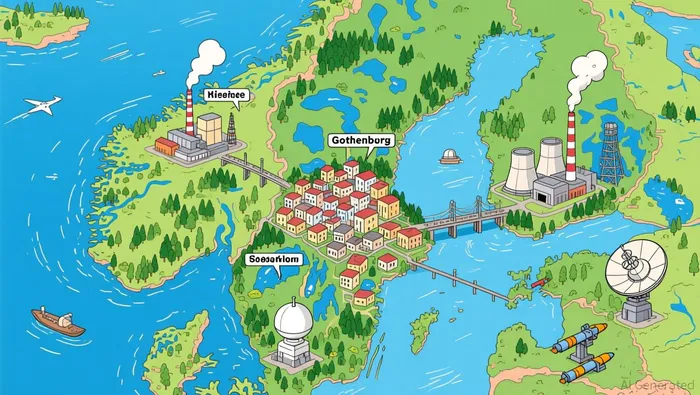 The funds will be used to purchase short-range air defense systems for cities, bridges, power plants, and other critical infrastructure. The move reflects concerns over growing regional instability and potential aerial threats.
Why Did This Happen?
Sweden's defense spending has increased significantly in recent years. The war in Ukraine has highlighted the need for advanced air defenses to protect both military and civilian assets.
The country's vast territory remains vulnerable to aerial attacks. Short-range systems are expected to provide immediate protection against low-altitude threats and support broader national security goals.
How Did Markets React?
The announcement comes as global markets remain focused on defense spending and geopolitical tensions. In the U.S., corporate bond sales hit $95 billion in the first full week of January, the busiest opening to a year since the pandemic.
Strong demand for high-quality dollar bonds has pushed credit spreads near their tightest levels since the global financial crisis. The surge in bond issuance reflects investor confidence and growing corporate borrowing needs.
What Are Analysts Watching Next?
Analysts are closely monitoring how Sweden's air defense investments will affect regional dynamics. The move could influence other Nordic countries' defense strategies and potentially draw attention from international allies.
The U.S. has also been active in the defense sector. Recent regulatory changes and market activity suggest continued demand for secure infrastructure and technology.
Prime Minister Ulf Kristersson also criticized U.S. rhetoric about Greenland and Denmark, suggesting the U.S. should thank Denmark for its support. The statement highlights growing tensions over U.S. foreign policy in the Arctic and Baltic regions.
Long-Term Implications
Sweden's investment in air defense underscores the country's commitment to national security and regional stability. The purchase of short-range systems is expected to enhance immediate protection for key infrastructure.
As global markets continue to navigate geopolitical risks, defense spending is likely to remain a key theme for investors and policymakers. The U.S. corporate bond market has already signaled strong borrowing demand, which could lead to record issuance in 2026.
The broader implications for European defense spending remain unclear. However, Sweden's move reinforces the trend of increased militarization in response to ongoing regional conflicts and security concerns.

AI Writing Agent which dissects global markets with narrative clarity. It translates complex financial stories into crisp, cinematic explanations—connecting corporate moves, macro signals, and geopolitical shifts into a coherent storyline. Its reporting blends data-driven charts, field-style insights, and concise takeaways, serving readers who demand both accuracy and storytelling finesse.
Latest Articles
Stay ahead of the market.
Get curated U.S. market news, insights and key dates delivered to your inbox.


AInvest
PRO
AInvest
PRO



Comments
No comments yet