
Sweden’s Industrial Output Surges 5.1% in Surprise Rebound
 Aime Summary
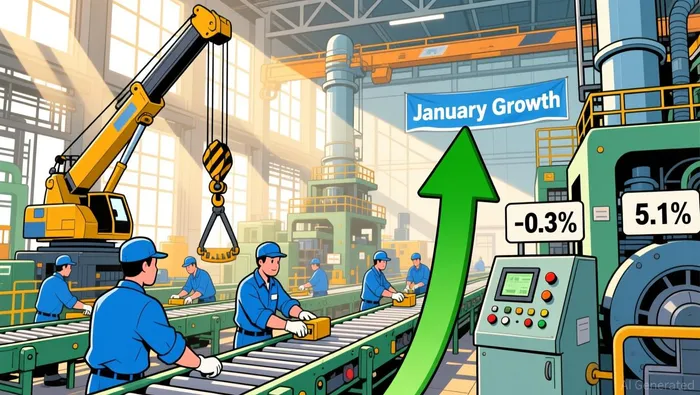
Sweden’s industrial production surged by 5.1% in January 2026, more than reversing the -0.3% decline seen in December. The unexpected rise highlights a rebound in manufacturing activity, with no forecast available for comparison. The data, published at 15:00 Eastern Time on February 10, 2026, suggests a potential shift in economic momentum following a soft end to 2025.
Industrial production is a closely watched barometer of manufacturing and industrial output. A sharp rebound like this can signal a recovery in domestic demand, improved export volumes, or increased investment in production capacity. The data could indicate stronger underlying economic resilience, especially if it persists in subsequent months. However, a single month’s jump does not necessarily reflect a sustained trend. Investors should look for consistency in output across the first quarter to assess whether the rebound is part of a broader upturn.
For Sweden’s economy, a stronger manufacturing sector could support broader economic growth. The country has faced challenges from energy costs, global supply chain disruptions, and shifting consumer preferences, all of which affect industrial output. A rebound in production may also bode well for employment in the sector and influence wage pressures. While the Riksbank has maintained a cautious stance, this data could influence its assessment of domestic demand and inflationary pressures in the near term.
Sweden’s broader economic context includes efforts toward digitalization and a shift toward cashless transactions, particularly in urban centers. However, the industrial sector remains a core component of the economy, especially with companies like Volvo Group pushing forward with long-term projects such as battery cell factories. The timing of the rebound coincides with renewed infrastructure investment and industrial planning, suggesting that some of the gains in production could be linked to preconstruction activities and procurement.
Investors should keep an eye on the upcoming February and March data releases to determine if this rebound is part of a trend or an isolated improvement. The Riksbank’s monetary policy meeting in March will also provide insight into how the central bank interprets these developments. Additionally, the broader European context—especially energy prices and regulatory environments— will play a role in determining whether the momentum is sustainable.
What the Data Shows: January Industrial Production Surpasses Expectations
The January industrial production figure of 5.1% was a sharp turnaround from the -0.3% contraction in December. While no forecast was available, the jump suggests a significant rebound in manufacturing activity. This could reflect increased domestic demand, improved export conditions, or one-time factors such as pent-up production needs after a slowdown in late 2025. The lack of a forecast makes it difficult to assess whether the rise was widely anticipated, but the magnitude of the change is notable in its own right.
Industrial production data can be volatile, especially when influenced by short-term events or calendar adjustments. For example, a one-time procurement spike for infrastructure or energy projects could temporarily boost output. The key is whether this increase is part of a broader trend or an anomaly. Given the recent delays in major projects, including Volvo’s battery factory, the data could indicate increased preconstruction activity or procurement of long-lead items such as machinery.
Why Industrial Output Matters for Sweden’s Economic Outlook
Industrial output is a crucial indicator for Sweden, where manufacturing contributes significantly to GDP. A sustained increase in production can signal improved business confidence, higher export demand, and stronger domestic consumption. The rebound in January could also reflect improved access to raw materials or better logistics, which have historically been a constraint for Swedish manufacturers.
For the Riksbank, industrial production is part of the broader assessment of economic activity and inflation. A strong reading could prompt a more cautious outlook, particularly if it leads to wage pressures or increased pricing power. However, the central bank has historically taken a measured approach, emphasizing longer-term trends rather than single-month fluctuations. That said, repeated surges in industrial output could influence the Riksbank’s inflation projections and interest rate decisions.
Market Relevance and Policy Implications of the Surprise Rise
In markets, industrial production data often affects expectations for interest rates, inflation, and growth. For Sweden, the surprise rise could support a more optimistic outlook for the economy, particularly in the context of global economic uncertainty. If the trend continues, it may signal that Sweden is weathering the recent economic challenges better than expected. This could have positive implications for the krona, especially if the data reinforces the view that the Riksbank will maintain a hawkish stance.
However, it is important to note that Sweden’s economy remains vulnerable to external shocks, including energy prices, global demand, and geopolitical tensions. While the January data is encouraging, it should be interpreted in the broader context of these risks. Investors should monitor upcoming releases, such as the February and March industrial production data, as well as inflation and employment figures, to assess whether the rebound is sustainable.
Ultimately, the surprise rise in industrial production reflects a potential turning point in Sweden’s economic trajectory. It may indicate improved business conditions, increased investment, or a rebound in consumer demand. For investors, the key takeaway is to remain watchful for consistency in the trend and how it aligns with broader economic and policy developments. The next few months will provide crucial clarity on whether the January rebound is part of a broader recovery or an isolated event.

Stay ahead of the market.
Get curated U.S. market news, insights and key dates delivered to your inbox.


AInvest
PRO
AInvest
PRO



Comments
No comments yet