
Sweden Empowers Law Enforcement to Seize Crypto Assets Without Evidence
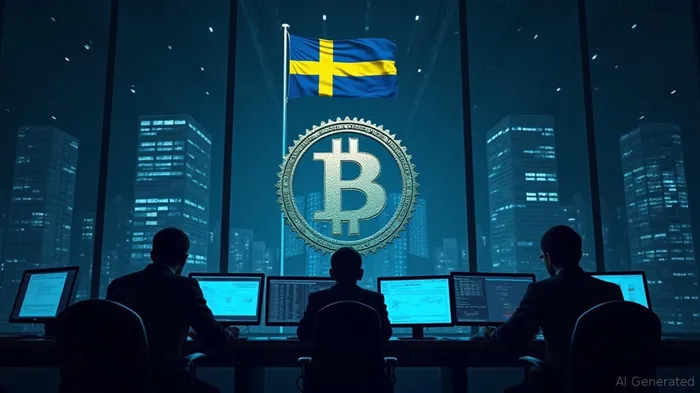
Sweden has intensified its efforts to combat cryptocurrency-related crimes by empowering law enforcement to seize digital assets even in the absence of concrete evidence of criminal activity. This directive, issued by Sweden’s Justice Minister Gunnar Strömmer, leverages a controversial law enacted last November. The law grants authorities the power to confiscate digital assets if their owners cannot provide satisfactory explanations for their origins.
The directive, announced on July 4, instructs law enforcement, tax authorities, and the national Enforcement Authority to escalate the seizure of crypto assets suspected of being linked to illicit activities. This move underscores Sweden’s aggressive stance on unexplained wealth, with the law already resulting in the seizure of $8.4 million in property. Strömmer emphasized the need for enhanced inter-agency coordination, particularly when dealing with high-value assets like cryptocurrency, stating that it was “time to turn up the pressure.”
The push for stricter crypto regulations in Sweden is driven by growing concerns over the role of digital assets in the country’s organized crime economy. A report from Sweden’s Police Authority and Financial Intelligence Unit, released in September 2024, highlighted that some cryptocurrency exchanges function as money laundering services, facilitating the flow of illicit funds. The report urged law enforcement to increase its presence on crypto trading platforms to identify and dismantle such operations.
The report also estimated that approximately 62,000 individuals were involved in or linked to criminal networks in Sweden as of 2024. While specific data on crypto-related crimes is limited, authorities point to the anonymity and cross-border capabilities of digital assets as key factors enabling organized crime. These concerns have likely influenced Strömmer’s argument that Sweden’s asset forfeiture laws must adapt to the evolving landscape of financial crime in the digital age.
One of the most vocal supporters of Strömmer’s crackdown is Sweden Democrat Dennis Dioukarev, who advocates for a national BitcoinBTC-- reserve. Dioukarev proposes that seized cryptocurrencies, particularly Bitcoin, should be transferred to Sweden’s central bank, the Riksbank, to build a strategic reserve. “Cryptocurrencies confiscated from criminals should be repurposed to strengthen Sweden’s financial position,” Dioukarev stated, framing the move as a way to convert crime-fighting efforts into long-term economic benefits.
However, the government has remained silent on the fate of confiscated crypto assets. When questioned, Strömmer’s office declined to clarify whether seized assets would be liquidated, held, or directed into a national reserve. This lack of transparency has raised questions about the government’s intentions and the potential implications for Sweden’s financial landscape.

Stay ahead of the market.
Get curated U.S. market news, insights and key dates delivered to your inbox.






Comments
No comments yet