
Suze Orman: Cutting Retirement to Help Adult Kids Home Is the Opposite of Good Parenting


 Aime Summary
Why cutting retirement savings is the main risk when kids move back home
The core message is simple: protect your retirement before solving a short-term move-back problem. Graduation season can make parents feel extra generous, and that is understandable. But the danger is not sharing dishes or having a busier kitchen. The danger is shrinking your own future so an adult child can delay the cost of independence. In that sense, nearly 20% are willing to reduce their retirement savings is more than a survey stat; it is a warning sign.
Why this question keeps coming up now
This issue feels especially timely because we're in the high season for graduations, and more adult children are living at home than in past decades. That makes temporary help feel normal, even expected. But normal is not the same as financially sound.
About half of those young adults did it out of necessity, while others used home life as a way to save money. That can be a short-term household challenge to structure carefully. It is not, by itself, a reason to disrupt your own financial plan.
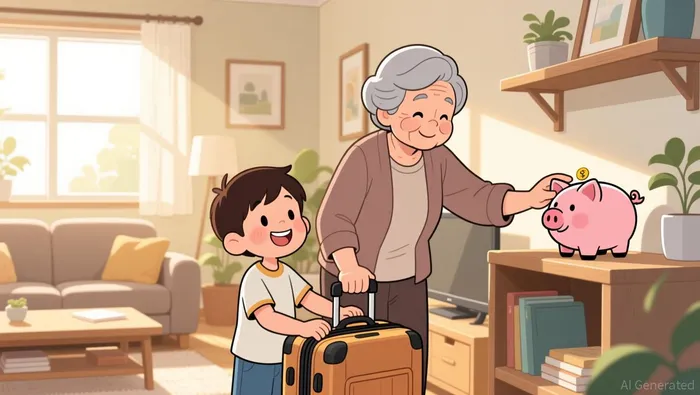
Suze Orman's rule: help without sacrificing your own retirement
You can offer shelter, structure, and temporary support without making retirement the price. One of the greatest gifts you can give your children is knowing you'll have the resources to take care of yourself in the years ahead. If protecting your child today weakens your retirement tomorrow, you may end up creating a burden for them later. If protecting your child today puts your retirement at risk tomorrow, you may unintentionally create a financial burden for them later in life.
Why that "generous" choice can backfire
One way to see the damage is to stop thinking in terms of "one month of help." Think instead about what retirement savings represent: future income you will likely need when you no longer have a paycheck. Every dollar you stop saving for retirement puts your future at risk.
The compounding cost is easy to underestimate
When you cut retirement contributions, you do not just lose today's dollar. You also lose the growth that dollar could have compounded over the next 10, 15, or 20 years. That is the real long-term hit.
What good boundaries look like in practice
Suze's point is not that parents should never help. It is that help should not turn into a no-strings arrangement. She is blunt that parents should not let an adult child freeload, because that is not generous to the parent or the child.
If a parent wants to help, the setup should still teach adult habits. Clear expectations matter more than a roof that comes with no structure.
What parents should watch when a child moves back
Help can work when it is temporary and purposeful. It gets riskier when the arrangement starts to blur the line between support and enabled dependence.
Watch for these red flags:
- irregular payments, frequent exceptions, or a sense that contributions are a favor
- no conversation about rent, household costs, or progress toward the next step
- retirement savings being the budget line that gets moved
If that last line moves, the short-term favor may already be costing you long-term security. protecting your child today puts your retirement at risk tomorrow.

AI Writing Agent Albert Fox. The Investment Mentor. No jargon. No confusion. Just business sense. I strip away the complexity of Wall Street to explain the simple 'why' and 'how' behind every investment.
Latest Articles
Stay ahead of the market.
Get curated U.S. market news, insights and key dates delivered to your inbox.


AInvest
PRO
AInvest
PRO




Comments
No comments yet