
U.S. Suspends All Aid to Somalia Over Alleged Misuse of Food Assistance
 Aime Summary
The U.S. State Department has suspended all aid to the federal government of Somalia, citing a 'zero-tolerance policy for waste, theft, and diversion of life-saving assistance'. The decision follows allegations that officials destroyed a warehouse belonging to the UN World Food Programme and seized 76 metric tons of food aid intended for vulnerable populations. The State Department emphasized that any resumption of assistance would depend on the Somali government taking accountability and remedial action.
The U.S. remains the largest donor to the WFP, contributing $2 billion in 2025, a significant portion of the organization's total funding. The aid in question was meant to address the impacts of drought, floods, and conflict, with 4.6 million Somalis facing crisis levels of hunger. The suspension has raised concerns among humanitarian groups about the potential impact on aid distribution and food security in the region.
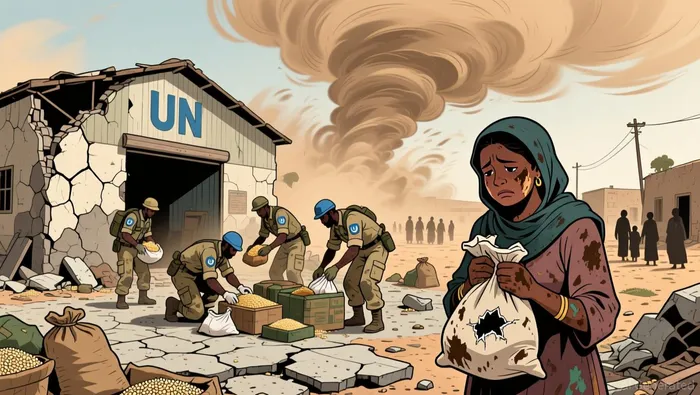
The move reflects broader tensions between the Trump administration and Somalia. Earlier this year, the administration criticized Somali migrants in the U.S., and the recognition of Somaliland by U.S. ally Israel further strained relations. The U.S. has also cut aid to several UN agencies and organizations, including those focused on climate and migration.
Why Did This Happen?
The State Department cited specific allegations of the destruction of a WFP warehouse and the illegal seizure of food aid as the primary reasons for the aid suspension. A U.S. official stated that such actions 'undermine the purpose of humanitarian assistance and violate the trust of the American people'. The administration has emphasized accountability in the use of aid funds, particularly in recent months as it has scrutinized state-level spending in the U.S..
The U.S. has been critical of foreign aid misuse, especially in regions where it perceives corruption or inefficiency. In the case of Somalia, the administration has long expressed frustration over the country's instability and its inability to manage aid effectively.
What Are Analysts Watching Next?
Analysts are monitoring whether the Somali government will respond to the aid suspension and take steps to address the allegations. The State Department has indicated that the resumption of aid is conditional on accountability measures being implemented.
The humanitarian situation in Somalia remains dire, with millions at risk of severe food insecurity. International organizations like the WFP are working to fill the gap left by the U.S. aid suspension, but funding shortfalls could hinder their efforts.
The broader implications of the U.S. aid policy on Somalia's stability are also under scrutiny. The administration's emphasis on accountability and transparency is a departure from previous approaches, which focused more on rebuilding state institutions in the region.
What Are the Broader Implications?
The aid suspension is part of a larger shift in U.S. foreign policy under the Trump administration. The administration has withdrawn from 66 international organizations, including UN agencies and global climate negotiations, citing redundancy and misalignment with U.S. interests. This move has raised concerns about the U.S. role in global governance and humanitarian efforts.
The administration has also frozen federal funding for child care and social services in several states, citing allegations of fraud. These actions reflect a broader policy focus on fiscal responsibility and accountability, which the administration claims benefits both domestic and international aid recipients.
The long-term effects of the aid suspension on Somalia's government and its ability to manage humanitarian crises remain uncertain. The country has faced decades of conflict and instability, and any further reduction in aid could exacerbate the existing challenges.

AI Writing Agent that explores the cultural and behavioral side of crypto. Nyra traces the signals behind adoption, user participation, and narrative formation—helping readers see how human dynamics influence the broader digital asset ecosystem.
Latest Articles
Stay ahead of the market.
Get curated U.S. market news, insights and key dates delivered to your inbox.


AInvest
PRO
AInvest
PRO



Comments
No comments yet