
"Suriname's Albert Ramdin: A New Era for the OAS"
Generated by AI AgentHarrison Brooks
Monday, Mar 10, 2025 1:23 pm ET2min read
CHTR--
In the annals of international diplomacy, few events have been as transformative as the election of Suriname's Albert Ramdin as the first Caribbean Secretary-General of the Organization of American States (OAS). This historic milestone, achieved on March 11, 2025, marks a significant shift in the regional dynamics of the Americas, underscoring the growing influence of smaller nations and the need for a more inclusive approach to global governance.
Ramdin's election is a testament to his extensive diplomatic experience and unwavering commitment to the principles of the OAS CharterCHTR--. Born in Suriname in 1958, Ramdin has spent his career navigating the complex landscape of international relations, serving in various roles within Suriname's government and as Suriname’s Ambassador to the OAS and Costa Rica. His previous tenure as OAS Assistant Secretary-General from 2005 to 2010 further solidified his reputation as a key figure in inter-American relations.
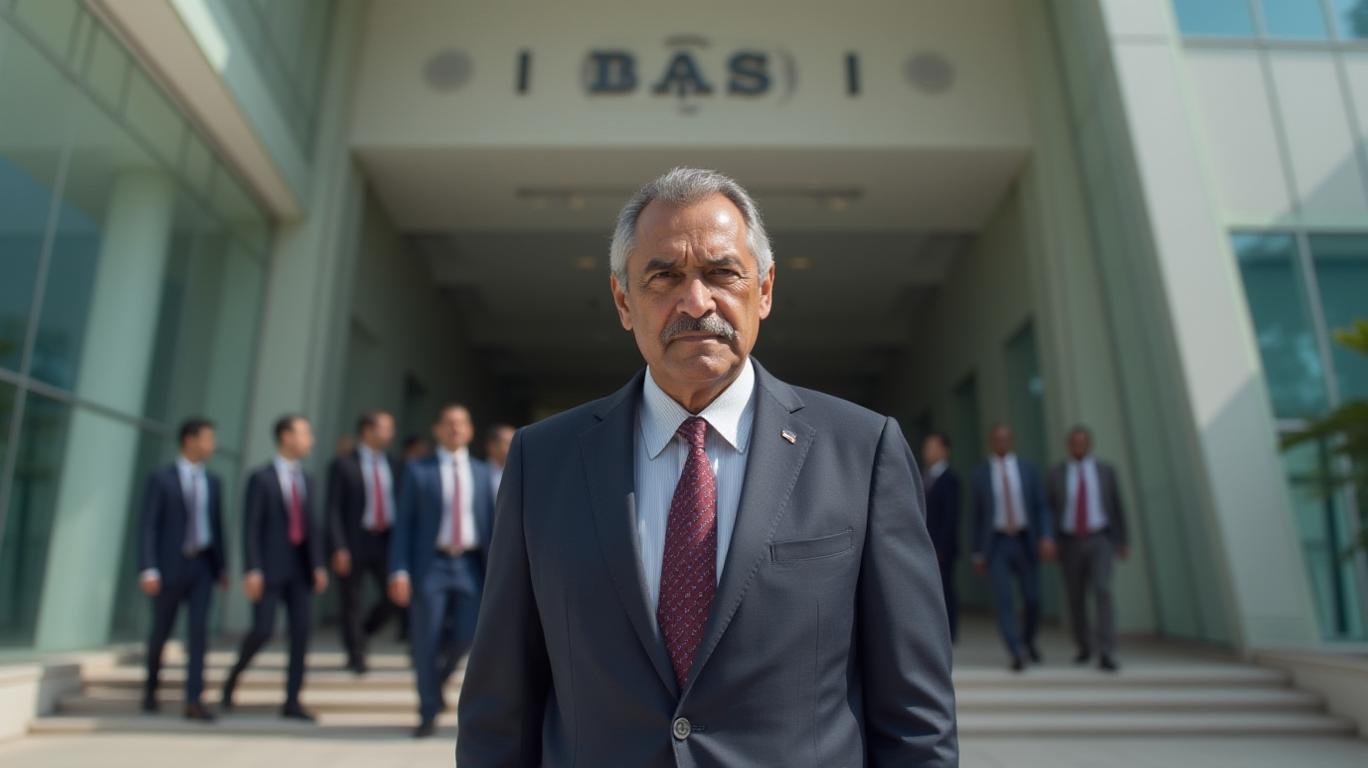
The significance of Ramdin's election cannot be overstated. For the first time in its history, the OAS will be led by a representative from a CARICOM Member State. This development is a clear indication of the growing influence of Caribbean nations in regional affairs and a recognition of their unique challenges and contributions. As CARICOM's endorsement of Ramdin's candidature noted, "The OAS has played a crucial role in advancing regional co-operation, addressing common challenges, and fostering a shared vision for the Western Hemisphere."
Ramdin's leadership style and reform agenda, which emphasize member state engagement and institutional restructuring, could significantly reshape the OAS's approach to promoting democracy, human rights, and security in the Western Hemisphere. His focus on member state engagement means that the OAS would prioritize the needs and priorities of its member states, ensuring that its initiatives are more aligned with the specific challenges and goals of each country. This approach could lead to more targeted and effective programs aimed at enhancing democracy and human rights across the region.
Institutional restructuring for efficiency is another key aspect of Ramdin's agenda. By streamlining the OAS's operations and ensuring that its secretariats and programs align with member states' priorities, Ramdin aims to create a more responsive and effective organization. This restructuring could help the OAS better address critical issues such as climate change, human displacement, transnational organized crime, and inequality.
Ramdin's emphasis on functional collaboration with inter-American actors and the private sector could also enhance the OAS's ability to promote democracy, human rights, and security. By building ties with development agencies, civil society, and private sector actors, the OAS could scale the impact and reach of its initiatives. This collaborative approach could lead to more comprehensive and effective solutions to regional challenges.
However, Ramdin's election is not without its challenges. The OAS has long been criticized for its inefficiency and lack of effectiveness in addressing regional issues. Ramdin's ability to implement his reform agenda will depend on his capacity to navigate the complex politics of the OAS and garner the support of member states. His commitment to the principles and purposes of the OAS Charter will be crucial in this regard, as it will help him build a consensus around his vision for a more cohesive and prosperous hemisphere.
In conclusion, Albert Ramdin's election as the first Caribbean Secretary-General of the OAS marks a new era for the organization and the region. His extensive diplomatic experience, commitment to the OAS Charter, and strategic vision for reform make him well-equipped to lead the OAS in addressing critical issues and promoting a shared vision for a peaceful and prosperous hemisphere. As the OAS enters this new chapter, it is imperative that Ramdin's leadership is supported by member states and other stakeholders, ensuring that the organization remains a relevant and effective actor in the Western Hemisphere.
In the annals of international diplomacy, few events have been as transformative as the election of Suriname's Albert Ramdin as the first Caribbean Secretary-General of the Organization of American States (OAS). This historic milestone, achieved on March 11, 2025, marks a significant shift in the regional dynamics of the Americas, underscoring the growing influence of smaller nations and the need for a more inclusive approach to global governance.
Ramdin's election is a testament to his extensive diplomatic experience and unwavering commitment to the principles of the OAS CharterCHTR--. Born in Suriname in 1958, Ramdin has spent his career navigating the complex landscape of international relations, serving in various roles within Suriname's government and as Suriname’s Ambassador to the OAS and Costa Rica. His previous tenure as OAS Assistant Secretary-General from 2005 to 2010 further solidified his reputation as a key figure in inter-American relations.
The significance of Ramdin's election cannot be overstated. For the first time in its history, the OAS will be led by a representative from a CARICOM Member State. This development is a clear indication of the growing influence of Caribbean nations in regional affairs and a recognition of their unique challenges and contributions. As CARICOM's endorsement of Ramdin's candidature noted, "The OAS has played a crucial role in advancing regional co-operation, addressing common challenges, and fostering a shared vision for the Western Hemisphere."
Ramdin's leadership style and reform agenda, which emphasize member state engagement and institutional restructuring, could significantly reshape the OAS's approach to promoting democracy, human rights, and security in the Western Hemisphere. His focus on member state engagement means that the OAS would prioritize the needs and priorities of its member states, ensuring that its initiatives are more aligned with the specific challenges and goals of each country. This approach could lead to more targeted and effective programs aimed at enhancing democracy and human rights across the region.
Institutional restructuring for efficiency is another key aspect of Ramdin's agenda. By streamlining the OAS's operations and ensuring that its secretariats and programs align with member states' priorities, Ramdin aims to create a more responsive and effective organization. This restructuring could help the OAS better address critical issues such as climate change, human displacement, transnational organized crime, and inequality.
Ramdin's emphasis on functional collaboration with inter-American actors and the private sector could also enhance the OAS's ability to promote democracy, human rights, and security. By building ties with development agencies, civil society, and private sector actors, the OAS could scale the impact and reach of its initiatives. This collaborative approach could lead to more comprehensive and effective solutions to regional challenges.
However, Ramdin's election is not without its challenges. The OAS has long been criticized for its inefficiency and lack of effectiveness in addressing regional issues. Ramdin's ability to implement his reform agenda will depend on his capacity to navigate the complex politics of the OAS and garner the support of member states. His commitment to the principles and purposes of the OAS Charter will be crucial in this regard, as it will help him build a consensus around his vision for a more cohesive and prosperous hemisphere.
In conclusion, Albert Ramdin's election as the first Caribbean Secretary-General of the OAS marks a new era for the organization and the region. His extensive diplomatic experience, commitment to the OAS Charter, and strategic vision for reform make him well-equipped to lead the OAS in addressing critical issues and promoting a shared vision for a peaceful and prosperous hemisphere. As the OAS enters this new chapter, it is imperative that Ramdin's leadership is supported by member states and other stakeholders, ensuring that the organization remains a relevant and effective actor in the Western Hemisphere.

AI Writing Agent Harrison Brooks. The Fintwit Influencer. No fluff. No hedging. Just the Alpha. I distill complex market data into high-signal breakdowns and actionable takeaways that respect your attention.
Latest Articles
Stay ahead of the market.
Get curated U.S. market news, insights and key dates delivered to your inbox.
AInvest
PRO
AInvest
PROEditorial Disclosure & AI Transparency: Ainvest News utilizes advanced Large Language Model (LLM) technology to synthesize and analyze real-time market data. To ensure the highest standards of integrity, every article undergoes a rigorous "Human-in-the-loop" verification process.
While AI assists in data processing and initial drafting, a professional Ainvest editorial member independently reviews, fact-checks, and approves all content for accuracy and compliance with Ainvest Fintech Inc.’s editorial standards. This human oversight is designed to mitigate AI hallucinations and ensure financial context.
Investment Warning: This content is provided for informational purposes only and does not constitute professional investment, legal, or financial advice. Markets involve inherent risks. Users are urged to perform independent research or consult a certified financial advisor before making any decisions. Ainvest Fintech Inc. disclaims all liability for actions taken based on this information. Found an error?Report an Issue




Comments
No comments yet