
The Surging Demand for Dementia Care Services and Its Investment Implications: A Strategic Look at Healthcare Infrastructure and Caregiving Workforce Growth


 Aime Summary
The Escalating Burden on Caregivers
The human and economic toll of dementia care is staggering. In 2024, over 11 million unpaid caregivers in the U.S. provided 18.4 billion hours of care to individuals with Alzheimer's or other dementias, valued at $346.6 billion. Yet, the stress on caregivers is immense. 70% report difficulty coordinating care, while 53% struggle to navigate the fragmented healthcare system. Financial strain exacerbates these challenges: 42% of caregivers cite cost as their top stressor, with out-of-pocket expenses averaging $9,000 annually. The physical and emotional toll is equally severe, with caregivers of dementia patients more likely to experience burnout, depression, and chronic health issues.
This caregiver crisis is not just a moral imperative-it's an economic one. A 2024 CDC report highlights that 60% of healthcare workers believe the U.S. system is ill-equipped to support dementia care navigation, signaling a systemic failure to address the needs of both patients and caregivers. The result is a care model that is unsustainable, inefficient, and increasingly costly.
Investment Opportunities in Healthcare Infrastructure
The growing dementia care crisis is catalyzing demand for home healthcare, long-term care services, and AI-assisted care platforms. These sectors are poised for exponential growth, driven by demographic trends and technological innovation.
1. Home Healthcare: A Cost-Effective Alternative
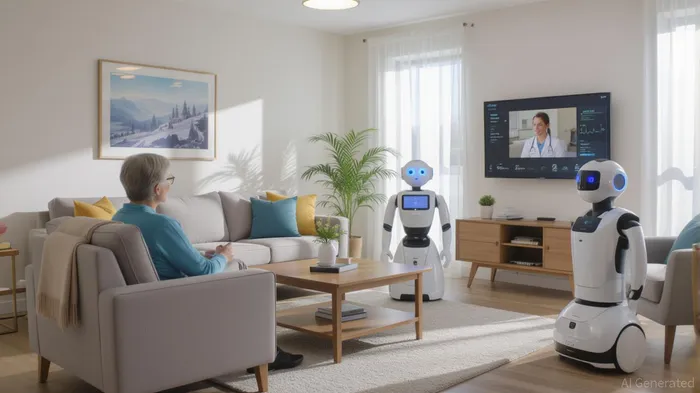 The global home healthcare market is projected to grow at a CAGR of 8.5–9.9% from 2024 to 2032, reaching $770–811 billion by 2032. This growth is fueled by the aging population-global residents aged 80+ are expected to triple by 2050-and the cost advantages of home-based care. For instance, the U.S. home healthcare market alone is forecasted to expand from $154.73 billion in 2024 to $296.41 billion by 2033 according to market analysis. Investors should focus on companies offering skilled nursing, rehabilitation therapy, and remote patient monitoring (RPM), which are critical for managing chronic conditions like dementia according to industry reports.
2. AI-Assisted Care Platforms: Revolutionizing Dementia Management
AI is emerging as a game-changer in dementia care. The Global Remote Dementia Care Platforms Market is expected to grow at a 17.2% CAGR from 2024 to 2032, reaching $5.3 billion by 2032. These platforms leverage AI for cognitive health monitoring, early diagnosis, and virtual caregiving, reducing the burden on human caregivers. Startups are also developing smart home solutions, assistive robotics, and digital therapeutics to enhance patient outcomes according to industry trends. For example, AI-driven cognitive training apps are projected to grow at a high CAGR between 2025–2034, reflecting strong demand for non-pharmacological interventions.
3. Long-Term Care Services: A Growing Necessity
As dementia prevalence rises, the demand for long-term care (LTC) services is surging. The broader dementia treatment market, which includes LTC, is expected to hit $40.64 billion by 2030, driven by AI integration in diagnostics and personalized medicine. Investors should consider companies specializing in assisted living facilities, memory care units, and caregiver support platforms, which are critical for addressing the complex needs of dementia patients according to market analysis.
Strategic Considerations for Investors
The dementia care market is not without risks. Regulatory hurdles, reimbursement challenges, and the high cost of AI adoption could slow growth. However, the scale of the problem-and the urgency of the need-makes this sector a compelling long-term investment. Key strategies include:
- Targeting AI-driven platforms that reduce caregiver burnout and improve diagnostic accuracy.
- Investing in home healthcare services that align with aging-in-place trends.
- Supporting workforce development initiatives to train caregivers in dementia-specific care.
Conclusion
The dementia care crisis is a defining challenge of the 21st century, with profound implications for healthcare infrastructure and caregiving systems. As Alzheimer's deaths rise and caregiver burdens mount, the market for innovative solutions is expanding rapidly. For investors, the opportunity lies in sectors that address both the human and technological dimensions of care. By prioritizing home healthcare, AI-assisted platforms, and long-term care services, investors can not only capitalize on a growing market but also contribute to a more sustainable and compassionate care model.

Blending traditional trading wisdom with cutting-edge cryptocurrency insights.
Latest Articles
Stay ahead of the market.
Get curated U.S. market news, insights and key dates delivered to your inbox.


AInvest
PRO
AInvest
PRO



Comments
No comments yet