
The Surge in Solar-Powered Home Investments: A Strategic Opportunity Amid Rising Energy Costs
The real estate landscape is undergoing a quiet revolution, driven by the rising cost of energy and the growing demand for climate-resilient living spaces. Solar panels, once a niche feature for eco-conscious buyers, have now become a key determinant of home value. Zillow's latest data reveals a compelling trend: solar-equipped homes are not only more attractive to buyers but also command significant premiums, particularly in regions where adoption is high and infrastructure supports renewable energy. For investors, this presents a strategic opportunity to capitalize on undervalued markets and secure long-term gains in the renewable-driven real estate sector.
Valuation Trends: Solar Panels as an Asset, Not Just a Feature
Nationally, homes with solar panels sold for 6.8% more than comparable non-solar homes in 2024—a marked increase from the 4.1% premium reported in Zillow's 2019 study. For a median-valued home priced at $372,000, this translates to an additional $25,381 in equity. The premium is even more pronounced in states like California, where 1.8 million solar installations (36% of the U.S. total) have created a robust market. Here, homes with owned solar systems sold for 5–10% more, equating to $37,500–$75,000 for a $750,000 home.
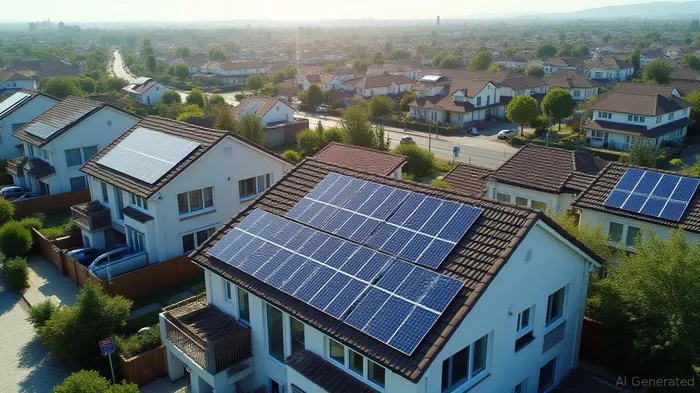
However, not all solar setups add value. Zillow's analysis shows that homes with third-party-owned solar systems (via leases or power purchase agreements) failed to command a premium. The lack of ownership equity and contractual complexities deter buyers, underscoring the importance of owned solar systems for investors seeking maximum returns.
Regional Disparities: Where to Spot Undervalued Markets
While solar adoption is soaring in states like California, other regions lag behind—or even see negative impacts. In Nebraska and Wisconsin, solar panels added little to home values, likely due to lower energy costs and less emphasis on sustainability. These states, however, may present opportunities for forward-thinking investors. If demand for energy-efficient homes rises (as climate concerns intensify), early adopters could secure properties at a discount before premiums catch up.
Meanwhile, states like Florida and Texas—prone to hurricanes and power outages—are seeing rising interest in climate-resilient features like solar panels paired with whole-home batteries. Zillow notes a 62% surge in listings mentioning batteries in 2024, suggesting these dual investments could yield outsized returns.
Market Drivers: Why Solar is Here to Stay
The shift toward solar is driven by three key factors:
1. Buyer Priorities: Realtors report that 63% of buyers value energy efficiency in listings, with 34% explicitly linking solar to higher home value.
2. ROI Certainty: A 7.4-kW solar system costing $22,000 can recoup its cost through appreciation alone for homes priced above $310,000.
3. Energy Stability: Solar's appeal extends beyond cost savings. In regions with unreliable grids, it offers security—a critical selling point as climate volatility grows.
Strategic Investment Opportunities
For investors, the data points to three actionable strategies:
1. Target Undervalued Regions: Look for states with emerging solar demand but lagging adoption. For example, Arizona (with its abundant sunlight) or New Mexico (with state incentives) could mirror California's trajectory.
2. Prioritize Owned Systems: Focus on homes where solar panels are fully owned, ensuring the full premium is captured. Avoid properties with leased systems unless the lease terms can be renegotiated.
3. Bundle with Emerging Features: Pair solar with EV chargers (up 34% in listings) or drought-resistant landscaping (up 14%), which cater to buyers' dual desires for sustainability and resilience.
Risks and Considerations
While the solar trend is robust, risks persist. In states where solar adoption is low, buyers may not yet recognize its value, and policy shifts (e.g., subsidies or tax incentives) could disrupt pricing. Additionally, older solar systems (over five years) offer smaller premiums, so investors should prioritize newer installations or factor in replacement costs.
Conclusion: A New Era of Sustainable Real Estate
The data is clear: solar panels are no longer a “nice-to-have” but a strategic asset that enhances home value, especially in regions with strong demand. For investors, the challenge lies in identifying undervalued markets before the premium catches up—and in understanding the nuances of ownership, age, and regional dynamics. As energy costs rise and climate resilience becomes a baseline expectation, the real estate sector will increasingly reward those who align with this renewable-driven future.
The time to act is now. The solar-powered home market is not just a trend—it's the next wave of real estate valuation, and early investors stand to reap the rewards.

Stay ahead of the market.
Get curated U.S. market news, insights and key dates delivered to your inbox.


AInvest
PRO
AInvest
PRO



Comments
No comments yet