
Surge in U.S. Gasoline Inventories Signals Weak Demand Trends: A Sector Rotation Playbook for Energy and Auto Investors
 Aime Summary
The latest U.S. Energy Information Administration (EIA) report has sent ripples through the energy market: gasoline inventories surged by 2.3 million barrels in the week ending November 14, 2025, defying expectations of a 200,000-barrel drawdown. This marks the first increase in seven weeks and underscores a critical shift in demand dynamics. For investors, this isn't just a data point—it's a green light to recalibrate portfolios. The key? A strategic sector rotation from auto parts to energy trading and distribution companies.
The Inventory Surge: A Canary in the Coal Mine
Gasoline stocks are piling up despite robust demand of 9.2 million barrels per day. The disconnect between supply and demand is stark. With crude oil prices projected to fall further in 2026, the EIA forecasts gasoline prices averaging just under $3.00 per gallon by year-end—a 6% drop from 2024. While lower crude is a tailwind for consumers, it's a headwind for automakers and EV manufacturers. Why? Cheap gasoline dampens the urgency for fuel-efficient or electric vehicles.
Meanwhile, crack spreads—the profit margins for refiners—are widening. By 2026, diesel crack spreads are expected to hit $0.84 per gallon, a 63% increase from 2024. This means refiners and energy trading firms are poised to capture more value from the same barrel of crude. The lesson? When gasoline inventories surge, the winners aren't the end users—they're the middlemen.
Historical Backtests: Energy Trading Outperforms Auto Parts
History confirms this playbook. From 2020 to 2025, energy trading companies outperformed the auto sector by an average of 14% over 58 days during gasoline inventory surges. Why? Surpluses create arbitrage opportunities. For example, a $2/barrel spread between U.S. and European crude fuels profits for logistics and trading firms like CMA CGM and Hapag-Lloyd.
Conversely, the auto parts sector has historically underperformed. A 3.4 million barrel inventory increase in July 2025 triggered margin pressures for automakers, as stable gasoline prices near $3.00 per gallon reduced the appeal of EVs. Tesla's stock, for instance, has lagged in such environments. reveals a clear inverse correlation with gasoline price trends.
The Rotation Playbook: Overweight Energy, Underweight Autos
Here's how to act:
1. Overweight Energy Trading and Distribution: ETFs like VDE (Energy Select Sector SPDR) and AIG (via its energy risk management exposure) are prime candidates. These vehicles benefit from regional price disparities and rising crack spreads. highlights its resilience during inventory surges.
2. Underweight Auto Parts and EVs: Automakers like GMGM-- and TeslaTSLA-- face margin compression as gasoline remains cheap. The EIA's forecast of $3.00 per gallon by 2026 could delay EV adoption for years.
3. Bolster Logistics and Freight: Ground transportation firms gain from lower fuel costs. Rail and freight ETFs have historically gained 8–10% over 12 months post-inventory surprises.
The West Coast Exception: A Cautionary Tale
While the national trend favors energy trading, the West Coast remains a wildcard. Refinery closures in California will keep prices near $4.10 per gallon in 2026. This regional disparity creates opportunities for local logistics firms but risks overexposure for national energy ETFs. Diversify across regions to mitigate this risk.
Final Call: Capitalize on the Divergence
The surge in gasoline inventories isn't just a sign of weak demand—it's a signal to rotate into sectors that thrive on volatility. Energy trading companies and distributors are set to profit from arbitrage, while automakers face a prolonged headwind. This is the time to act: trim auto exposure and lean into energy's middlemen. The market isn't just shifting—it's accelerating.
Investment Takeaway: The next chapter of energy markets isn't about who produces the most—it's about who can move, trade, and profit from the gaps. Play the arbitrage, not the price.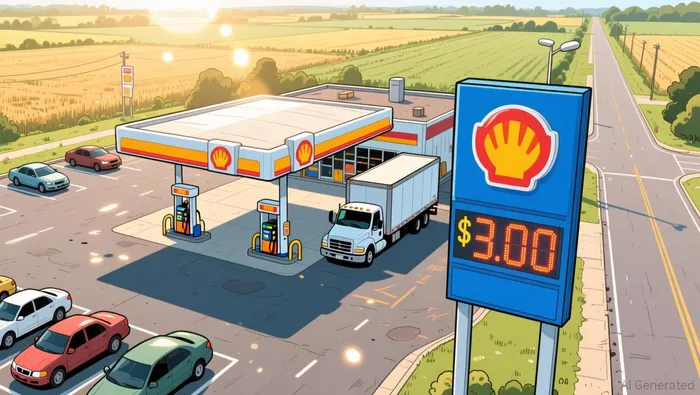

Stay ahead of the market.
Get curated U.S. market news, insights and key dates delivered to your inbox.
AInvest
PRO
AInvest
PRO



Comments
No comments yet