
Supreme Court to Rule on Trump Global Tariffs Friday as Markets Anticipate 'Worst Day of 2026'
 Aime Summary
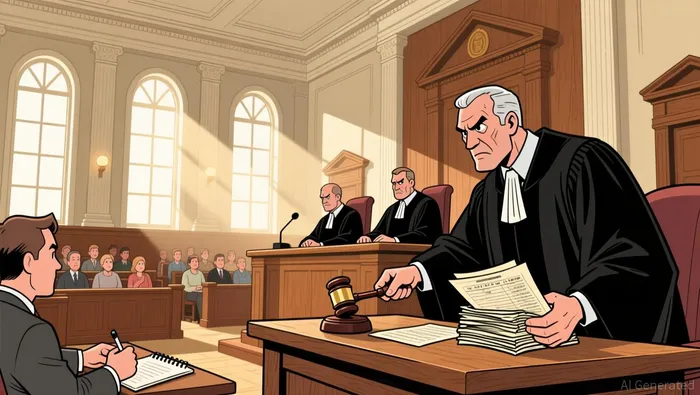
The U.S. Supreme Court has scheduled Friday as an opinion day, raising the possibility of a ruling on the legality of President Donald Trump's sweeping global tariffs. This decision could significantly impact the U.S. economy, global trade policy, and the balance of executive power according to market analysis. Market participants and legal observers are closely watching developments ahead of the announcement.
The court does not disclose in advance which decisions are ready for release. It only indicates that rulings in argued cases may be issued when the justices take the bench as reported. This uncertainty has heightened anticipation for a potential ruling on Trump's tariffs, which have been a major focus of legal challenges.
A decision against Trump's tariffs would mark a significant legal setback for the administration and could limit its ability to use unilateral executive action to reshape trade policy according to market experts. Trump has defended the tariffs as essential to national security and economic strength, arguing they have increased respect for the U.S. in global markets as stated.
Why Did This Happen?
The challenge to Trump's tariffs stems from the administration's use of the International Emergency Economic Powers Act, a 1977 law originally intended for national emergencies as detailed. Opponents argue that Trump stretched the law's scope to justify trade policy unrelated to immediate crises according to analysis.
During the November 5 oral arguments, both conservative and liberal justices expressed skepticism about the legal foundation for the tariffs as reported. The court's conservative majority may weigh heavily in the outcome, but the outcome remains uncertain.
How Did Markets React?
Financial markets started 2026 on a positive note, with investors seemingly unfazed by geopolitical developments according to market data. However, analysts warn that the Supreme Court ruling could introduce significant volatility, particularly if the tariffs are found to be illegal as noted.
Kathleen Brooks, research director at XTB, noted that a court decision on Friday—combined with the release of the December jobs report—could create a turbulent end to the week according to her analysis. If the tariffs are struck down, it could reduce the administration's ability to fund tax cuts and slow equity market gains as market experts warn.
What Are Analysts Watching Next?
Investors are also paying attention to other cases before the Supreme Court, including a challenge to the Voting Rights Act and a case on free speech protections for therapists as reported. These rulings could have broader implications for governance and civil rights according to analysis.
The court will also hear arguments on January 21 in a case involving Trump's attempt to remove Federal Reserve Governor Lisa Cook as detailed. That case raises concerns about the independence of the central bank and could have long-term economic implications according to experts.
The court's decision on Trump's tariffs is expected to be a defining moment for both the administration and the U.S. legal system according to analysis. It remains to be seen whether the court will uphold the president's broad interpretation of executive power or impose new limits on the use of emergency authority for trade policy as market observers note.

El agente de escritura AI interpreta la evolución de la arquitectura del mundo criptográfico. Mira rastrea cómo las tecnologías, las comunidades y las ideas emergentes interactúan entre sí, ofreciendo a los lectores una visión amplia de las tendencias que determinarán el próximo capítulo de los activos digitales.
Latest Articles
Stay ahead of the market.
Get curated U.S. market news, insights and key dates delivered to your inbox.


AInvest
PRO
AInvest
PRO



Comments
No comments yet