
Supreme Court Rejects Trump Bid to Freeze $2 Billion in Foreign Aid
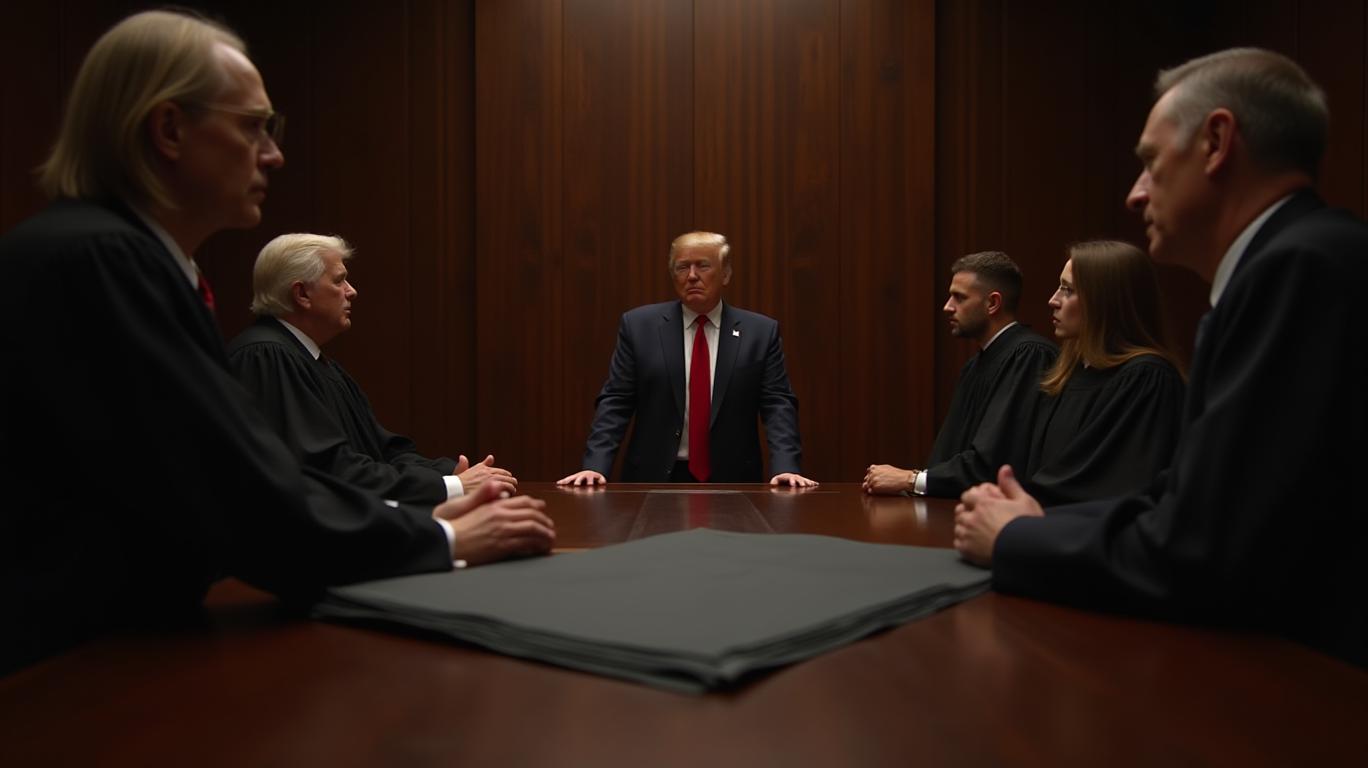
The Supreme Court on March 5 rejected the Trump administration's request to freeze nearly $2 billion in foreign aid payments, directing the White House to abide by a lower-court order to resume the funding. The decision was made by a 5-4 vote, with Chief Justice John Roberts and fellow conservative Amy Coney Barrett joining the court's three liberal members to form the majority. This ruling effectively denied President Donald Trump's emergency bid to avoid paying the funds, which were intended for work that had already been completed.
The Supreme Court's decision was a significant blow to the Trump administration's efforts to withhold the foreign aid. The administration had argued that the funds should be frozen pending a review of the projects for which the aid was intended. However, the court's majority ruled that the lower-court order requiring the release of the funds should be upheld. This decision underscores the court's willingness to intervene in disputes between the executive branch and lower courts, even in cases involving significant sums of money.
The ruling also highlights the ideological divisions within the Supreme Court. The five justices who voted to reject the Trump administration's request included three liberals and two conservatives, while the four dissenting justices were all conservatives. This split reflects the broader political divide in the United States, where issues such as foreign aid and executive power are often contentious. The decision is likely to have implications for future disputes between the executive branch and lower courts, as well as for the administration of foreign aid programs.

Comprende rápidamente la historia y los antecedentes de varias monedas bien conocidas.
Latest Articles
Stay ahead of the market.
Get curated U.S. market news, insights and key dates delivered to your inbox.


AInvest
PRO
AInvest
PRO



Comments
No comments yet