
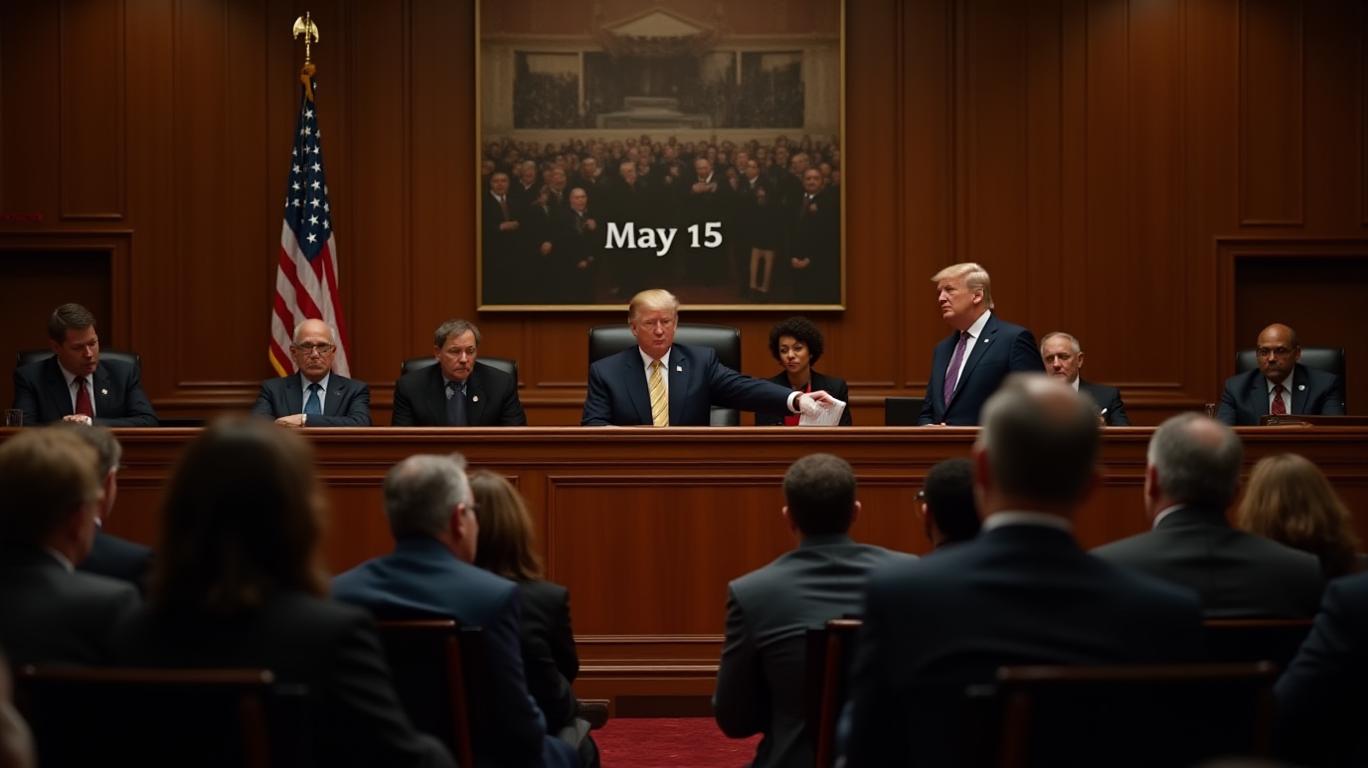
Supreme Court to Hear Trump's Birthright Citizenship Case on May 15
The U.S. Supreme Court has announced that it will hear arguments on May 15 regarding President Donald Trump's request to implement an executive order aimed at restricting automatic birthright citizenship. This order, if enacted, could potentially overturn a long-standing constitutional right granted by the 14th Amendment, which provides citizenship to anyone born on U.S. soil, regardless of their parents' immigration status.
The Supreme Court's decision to hear the case is significant as it indicates the justices' recognition of the importance of the issue. The court will not directly judge the legality of the new restrictions but will focus on the scope of three rulings that have already blocked the executive order from being implemented nationwide. Trump and the Department of Justice have requested that the Supreme Court limit the application of these rulings to specific individuals involved in the case or to the states and jurisdictions where the lawsuits were filed. This would allow the government to more broadly advance the new policy.
The implications of this case are profound. If the Supreme Court rules in favor of Trump's executive order, it could lead to a dramatic shift in U.S. immigration policy. Birthright citizenship has been a cornerstone of American law for over a century, and any change to this policy would have far-reaching consequences for millions of people. Critics argue that the order is unconstitutional and would create a class of stateless individuals within the United States. Supporters, however, contend that it is necessary to address the issue of illegal immigration and to ensure that the U.S. has control over who becomes a citizen.
The arguments presented by both sides will be closely scrutinized, and the court's eventual ruling will set a precedent that could shape U.S. immigration policy for decades to come. The outcome of this case will not only affect the lives of those directly involved but also have broader implications for the interpretation of the Constitution and the rights of individuals within the United States. The Supreme Court's decision to hear the case is a crucial step in the legal process, indicating that the justices are willing to engage in a thorough examination of the constitutional questions at hand.

Stay ahead of the market.
Get curated U.S. market news, insights and key dates delivered to your inbox.


AInvest
PRO
AInvest
PRO



Comments
No comments yet