
Using Supply and Demand Imbalances to Identify Commodity Market Opportunities
 Aime Summary
Commodity markets are driven by a simple yet powerful force: supply and demand. For investors, understanding how these two factors interact can unlock opportunities to profit from price swings in markets like oil, gold, or agricultural products. This article breaks down how supply and demand imbalances work, how to spot them, and how to use them strategically in your investing decisions.
The Core Concept: Supply vs. Demand Supply and demand is the foundation of economics. When demand for a commodity (like copper or wheat) outpaces its supply, prices tend to rise. Conversely, if supply exceeds demand, prices fall. For example, a drought can reduce wheat supply, causing prices to spike as buyers compete for limited stock. On the flip side, a bumper harvest might flood the market, driving prices down as sellers scramble to offload surplus.
The key is to look beyond immediate supply and demand. Investors must also consider expectations. 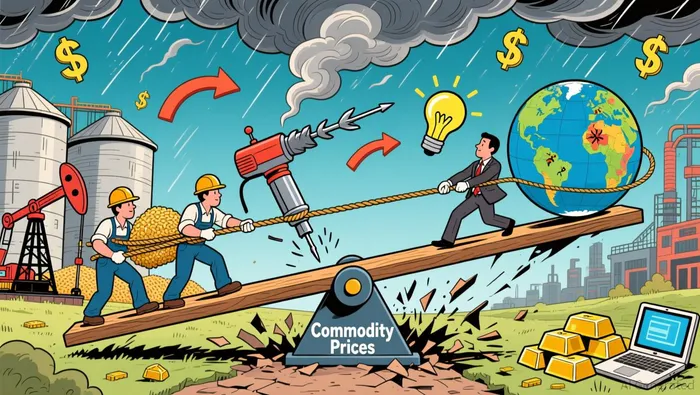 If a major oil producer announces a production cut, markets may anticipate higher future prices even before the cut takes effect. Similarly, a new technology that reduces demand for a commodity (e.g., electric vehicles reducing oil demand) can trigger price drops long before the trend materializes.
Strategies for Investors 1. Monitor Key Indicators: Track production reports, geopolitical developments, and economic data. For example, the U.S. Department of Agriculture (USDA) releases monthly crop reports that can signal supply shifts in commodities like corn or soybeans. 2. Position for Imbalances: If you anticipate a shortage, consider buying futures contracts or ETFs tied to the commodity. If a surplus is expected, short-selling might be an option (though this carries higher risk). 3. Diversify Timing: Don’t act on a single data point. Combine fundamental analysis (supply/demand trends) with technical analysis (price patterns) to time entries/exits more effectively.
Case Study: Lithium in 2022 In 2022, lithium prices surged by over 400% from early 2021 levels. This was driven by a clear supply-demand imbalance: demand for lithium skyrocketed due to the global shift toward electric vehicles (EVs), while production couldn’t keep up. Key factors included: - Supply Constraints: Limited lithium reserves in major producing countries (e.g., China, Australia) and lengthy mining project timelines. - Demand Surge: EV adoption rates outpaced expectations, with automakers securing long-term contracts to lock in supplies.
Investors who recognized this imbalance early bought shares in lithium producers like Albemarle or traded lithium ETFs. Those who waited missed the peak but still benefited from the trend. However, the market eventually corrected as supply chains adjusted, highlighting the importance of timing and risk management.
Risks and Considerations While supply and demand imbalances can signal opportunities, they’re not foolproof. Other factors—like currency fluctuations, trade policies, and market speculation—can distort prices. For example, a surplus in a commodity might persist if geopolitical tensions (e.g., sanctions) restrict its export.
To mitigate risks: - Research Thoroughly: Understand the entire supply chain and potential bottlenecks (e.g., transportation, refining). - Use Stop-Loss Orders: Limit losses if market conditions shift unexpectedly. - Diversify: Don’t overexpose your portfolio to a single commodity or sector.
Conclusion Supply and demand imbalances are a powerful lens for analyzing commodity markets. By staying informed about production trends, geopolitical events, and economic shifts, investors can identify opportunities before they become mainstream. However, success requires patience, discipline, and a balanced approach that accounts for both fundamentals and market sentiment. Whether you’re a seasoned investor or new to commodities, understanding these dynamics can help you navigate the market with confidence and strategy.

Stay ahead of the market.
Get curated U.S. market news, insights and key dates delivered to your inbox.


AInvest
PRO
AInvest
PRO



Comments
No comments yet