
How Supply-Demand Imbalances Create Opportunities in the Semiconductor Materials Sector
 Aime Summary
In the ever-evolving world of finance, understanding the forces of supply and demand can offer investors a strategic edge. This is particularly true in specialized sectors like semiconductors, where sudden shifts in supply and demand can lead to significant investment opportunities. In this article, we’ll explore how supply-demand imbalances shape the semiconductor materials sector and how investors can recognize and act on these dynamics.
At its core, the concept of supply and demand is simple: when demand for a product outpaces its supply, prices tend to rise. Conversely, when supply exceeds demand, prices tend to fall. In the semiconductor materials industry, this principle plays out in unique ways due to the long lead times required to produce materials like silicon wafers, rare earth metals, and specialty gases—key inputs for chip manufacturing.
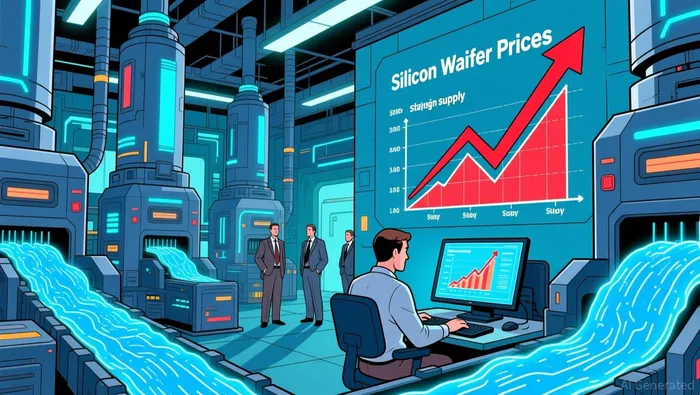
For instance, during the global chip shortage of 2020 and 2021, demand for semiconductors surged due to increased reliance on technology in everyday life—from remote work to electric vehicles. However, the supply of semiconductor materials couldn’t keep up quickly due to complex manufacturing processes and limited production capacity. As a result, prices for materials like silicon wafers rose sharply. This imbalance created substantial gains for companies producing these materials and attracted new entrants looking to capitalize on the trend.
Investors can use this understanding to make informed decisions. One strategy is to monitor global economic indicators and supply chain reports to detect early signs of a supply-demand imbalance. For example, a rise in semiconductor orders while production capacity remains stagnant may signal a potential opportunity. Another strategy is to invest in companies that produce critical materials or have a dominant market position in the sector. These companies often benefit the most when demand outpaces supply.
A real-world example is the case of Shin-Etsu Chemical Co., a leading producer of silicon wafers. During the chip shortage, Shin-Etsu saw its stock price rise significantly as demand for wafers increased and supply was constrained. Investors who recognized the imbalance early were able to capture substantial returns.
However, investing in this sector also carries risks. For example, a rapid increase in supply—such as from new production facilities coming online—can quickly reverse price trends and reduce profits. Additionally, geopolitical issues like trade restrictions or export controls can disrupt supply chains unexpectedly. To mitigate these risks, investors should diversify their holdings and focus on companies with strong balance sheets and long-term contracts.
 In conclusion, supply-demand imbalances can be powerful drivers of change in the semiconductor materials sector. By staying informed and understanding the factors that influence supply and demand, investors can identify opportunities and make strategic, well-informed decisions. As the world continues to rely more heavily on technology, the semiconductor sector will remain a key area for growth—and with it, potential for profit.

Stay ahead of the market.
Get curated U.S. market news, insights and key dates delivered to your inbox.


AInvest
PRO
AInvest
PRO



Comments
No comments yet