
Using Supply-Demand Dynamics to Identify Undervalued Commodity Stocks
 Aime Summary
Every investor wants to find the next great opportunity, and in the world of commodities, that opportunity often lies in understanding supply and demand dynamics. Commodity stocks—those of companies involved in producing or distributing raw materials like oil, gold, copper, or agricultural products—are deeply influenced by this fundamental economic principle. By learning how to analyze supply and demand, investors can spot undervalued opportunities before they become the next big story.
At its core, the supply-demand model is simple: when demand for a commodity increases or supply decreases, the price tends to rise. Conversely, when demand falls or supply grows, the price tends to drop. These price movements directly affect the stock prices of companies tied to that commodity. For example, a rising price of copper often leads to higher profits and stock gains for mining companies.
One of the most effective ways to use this concept is to look for signs of a supply shock or a surge in demand. A supply shock could be due to a geopolitical event, a natural disaster, or a shortage of production capacity. A surge in demand might be driven by economic growth, policy changes, or technological advances. By identifying these shifts early, investors can get ahead of market trends.
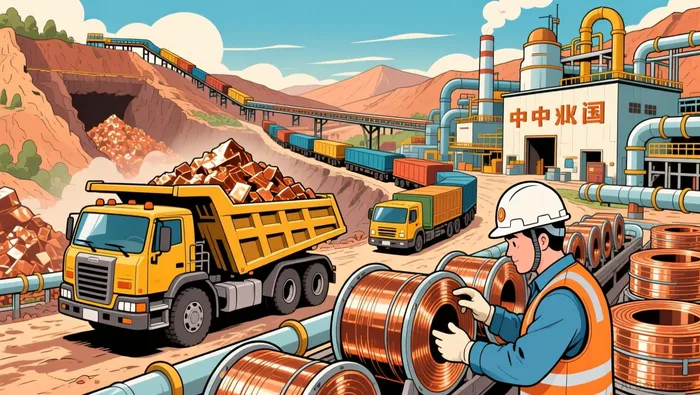
A useful strategy is to monitor key indicators such as production reports, inventory levels, and consumption data. For instance, if global copper inventories are falling while demand from China continues to rise, it may signal a tightening market and an upcoming price increase. Investors might then look for undervalued copper producers whose stock prices haven’t yet reflected this potential upward trend.
 Let’s look at a real-life example. In 2020, the global pandemic caused a sharp drop in demand for oil, sending prices plummeting. But as vaccines rolled out and economies began reopening in 2021, demand rebounded faster than supply. This mismatch drove oil prices higher, and energy stocks like ExxonMobilXOM-- and ChevronCVX-- saw strong gains. Investors who recognized the shift in supply-demand dynamics early were well-positioned to benefit.
However, relying solely on supply-demand analysis carries risks. Market expectations and speculative trading can distort prices in the short term. A company might appear undervalued based on commodity trends, but poor management or declining reserves could undermine its long-term potential. It's crucial to do your homework: analyze financial statements, management quality, and production costs to ensure a company is truly undervalued and not just facing temporary challenges.
To mitigate risk, consider diversifying across different commodities and sectors. Don’t rely on just one indicator—combine supply-demand analysis with other tools like technical analysis and macroeconomic trends. Always keep an eye on geopolitical events and regulatory changes that can affect supply chains and market sentiment.
In conclusion, understanding supply and demand is a powerful tool for identifying undervalued commodity stocks. By watching for shifts in these dynamics, investors can uncover opportunities before they become widely known. Remember to pair this knowledge with thorough research and a balanced investment approach to make smarter, more informed decisions in the market.
Let’s look at a real-life example. In 2020, the global pandemic caused a sharp drop in demand for oil, sending prices plummeting. But as vaccines rolled out and economies began reopening in 2021, demand rebounded faster than supply. This mismatch drove oil prices higher, and energy stocks like ExxonMobilXOM-- and ChevronCVX-- saw strong gains. Investors who recognized the shift in supply-demand dynamics early were well-positioned to benefit.
However, relying solely on supply-demand analysis carries risks. Market expectations and speculative trading can distort prices in the short term. A company might appear undervalued based on commodity trends, but poor management or declining reserves could undermine its long-term potential. It's crucial to do your homework: analyze financial statements, management quality, and production costs to ensure a company is truly undervalued and not just facing temporary challenges.
To mitigate risk, consider diversifying across different commodities and sectors. Don’t rely on just one indicator—combine supply-demand analysis with other tools like technical analysis and macroeconomic trends. Always keep an eye on geopolitical events and regulatory changes that can affect supply chains and market sentiment.
In conclusion, understanding supply and demand is a powerful tool for identifying undervalued commodity stocks. By watching for shifts in these dynamics, investors can uncover opportunities before they become widely known. Remember to pair this knowledge with thorough research and a balanced investment approach to make smarter, more informed decisions in the market.

Stay ahead of the market.
Get curated U.S. market news, insights and key dates delivered to your inbox.


AInvest
PRO
AInvest
PRO



Comments
No comments yet