
Supply Chain Vulnerabilities and Investor Sentiment: Lessons from the 2025 Shredded Cheese Recall Crisis
 Aime Summary
The Recall and Its Immediate Implications
The U.S. Food and Drug Administration (FDA) reclassified the recall as "Class II" on December 1, 2025, indicating that the affected products could cause temporary or medically reversible adverse health effects. The recall spanned 31 states and Puerto Rico, impacting a wide array of private-label brands, including Walmart's Good & Gather, Target's Great Value, and Aldi's Happy Farms. While no illnesses have been reported to date, the scale of the recall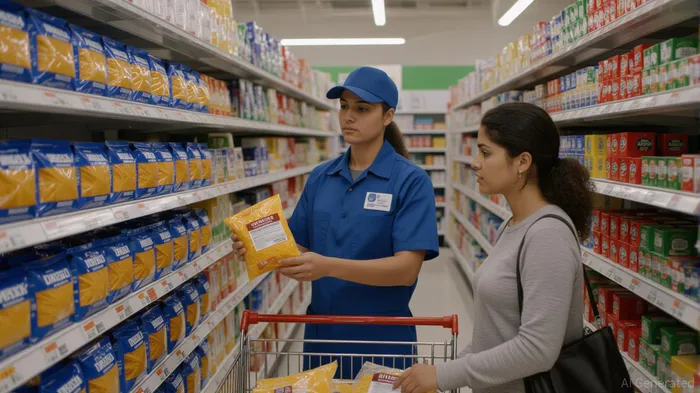 -spanning expiration dates into late March 2026-highlighted systemic vulnerabilities in quality control and supplier oversight.
Retailers faced immediate operational challenges, including product removal from shelves, refund processing, and reputational damage. According to a report by , the recall disrupted inventory management and customer service operations, with some stores experiencing delays in restocking shelf-stable dairy products. For investors, the incident raised questions about the resilience of supply chains in an era of increasing regulatory scrutiny and consumer expectations for transparency.
Financial and Brand Equity Risks
Though specific stock price fluctuations or quarterly financial reports post-recall are not publicly documented in the immediate aftermath, the incident aligns with historical patterns where food safety crises erode investor confidence. A 2023 Bloomberg analysis noted that companies facing Class II or Class I recalls often experience short-term stock volatility, with recovery dependent on the swiftness of crisis management. For WalmartWMT--, Target, and Aldi, the recall risked diluting their brand equity, particularly among price-sensitive shoppers who rely on private-label products for affordability and consistency.
Consumer trust, a critical intangible asset, also faced strain. A 2024 Reuters survey found , with 42% citing long-term distrust. The shredded cheese recall, involving a staple grocery item, could exacerbate such trends. Retailers' responses-such as Walmart's publicized collaboration with the FDA to enhance supplier audits-will be pivotal in mitigating long-term damage.
Investor Confidence and Sector-Wide Lessons
The crisis underscores the need for robust risk management frameworks in the consumer goods sector. For investors, key metrics to monitor include:
1. Supply Chain Transparency: Companies with diversified supplier bases and real-time quality control systems are better positioned to mitigate recall risks.
2. Crisis Communication: Timely and transparent disclosures, as demonstrated by Target in its post-recall press releases, can stabilize investor sentiment.
3. Regulatory Compliance Costs: The FDA's expanded oversight post-incident may increase operational expenses, particularly for smaller retailers lacking advanced compliance infrastructure.
Analysts at J.P. Morgan have emphasized that while the 2025 recall did not trigger immediate market panic, it serves as a "stress test" for investor confidence in the sector. Retailers with strong ESG profiles, including Aldi's recent sustainability initiatives, may recover faster by aligning food safety improvements with broader corporate responsibility goals.
Conclusion
The shredded cheese recall of 2025 is a stark reminder that in the consumer goods sector, product safety is inextricably linked to financial performance. For investors, the incident highlights the importance of scrutinizing supply chain resilience and crisis preparedness as part of due diligence. Retailers that leverage this crisis to strengthen supplier partnerships, enhance traceability technologies, and rebuild consumer trust will likely emerge with fortified brand equity. Conversely, those failing to address systemic vulnerabilities risk not only regulatory penalties but also a erosion of the trust that underpins their market value.

Delivering real-time insights and analysis on emerging financial trends and market movements.
Latest Articles
Stay ahead of the market.
Get curated U.S. market news, insights and key dates delivered to your inbox.
AInvest
PRO
AInvest
PRO



Comments
No comments yet