
How Supply Chain Disruptions and Production Shifts Influence Commodity Prices
 Aime Summary
Supply chains are the invisible networks that deliver goods from producers to consumers. When these networks face disruptions—such as natural disasters, geopolitical tensions, or manufacturing shutdowns—the ripple effects can significantly impact commodity prices. For investors, understanding these dynamics is crucial for identifying opportunities and managing risks in volatile markets.
Core Concept: Supply and Demand in Action
Commodities like oil, copper, or wheat are raw materials whose prices are driven by supply and demand. A disruption in the supply chain—such as a factory shutdown or a shipping delay—reduces the available supply of a commodity. At the same time, production shifts (e.g., moving manufacturing to a new region) can alter demand patterns. For example, if a major coffee-producing country experiences a drought, the reduced harvest limits supply, pushing prices upward. Conversely, if a country increases production of electric vehicles, demand for lithiumLAC-- (a key battery component) surges, driving up its price.
Real-World Applications for Investors
Investors can leverage insights about supply chain risks to make informed decisions. Here are two strategies: 1. Monitoring Global Events: Tracking news about trade wars, pandemics, or labor strikes can help anticipate price shifts. For instance, the 2021 semiconductor shortage—caused by pandemic-related factory closures and surging demand for electronics—sent chip prices soaring. Investors who recognized this trend early could capitalize by investing in semiconductor ETFs or related stocks. 2. Diversification and Hedging: To mitigate risks from price volatility, investors might diversify their portfolios across commodities or use financial instruments like futures contracts. For example, a farmer facing rising fertilizer costs might lock in prices for the next season using futures to stabilize expenses.
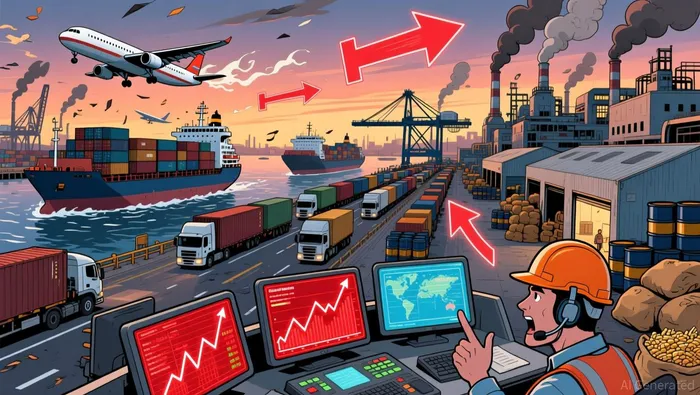
Case Study: The 2021 Semiconductor Shortage
In 2021, the global semiconductor shortage highlighted the power of supply chain disruptions. The pandemic caused factory shutdowns in Asia, while surging demand for laptops and smartphones created a bottleneck. This mismatch led to a 30% price increase for semiconductors in six months. The crisis affected industries worldwide: automakers like Ford had to halt production lines, and electronics retailers raised prices. Investors who anticipated the shortage benefited from rising stock prices in semiconductor manufacturers like IntelINTC-- and TSMCTSM--.
Risks and Mitigation Strategies
While supply chain shifts offer opportunities, they also carry risks. Overreacting to short-term disruptions can lead to poor investment decisions. For example, during the 2020 oil price crash (driven by oversupply and pandemic-driven demand collapse), panic selling wiped out trillions in market value. To mitigate risks: - Conduct Thorough Research: Analyze the root causes of disruptions and assess their long-term impact. - Diversify: Avoid overexposure to a single commodity or region. - Use Stop-Loss Orders: Automatically sell investments if prices drop below a certain threshold to limit losses.
Conclusion
Supply chain disruptions and production shifts are powerful forces shaping commodity prices. By understanding these dynamics, investors can spot trends, hedge against volatility, and make strategic decisions. Whether it’s a drought affecting coffee crops or a geopolitical conflict impacting oil exports, staying informed and adaptable is key. In a globalized economy, the ability to navigate supply chain challenges can turn uncertainty into opportunity.

Stay ahead of the market.
Get curated U.S. market news, insights and key dates delivered to your inbox.
AInvest
PRO
AInvest
PRO



Comments
No comments yet