
Using Supply Chain Disruptions and Inventory Levels to Navigate Energy Market Volatility
 Aime Summary
Energy markets are known for their volatility, driven by factors like geopolitical events, weather, and production shifts. However, two often-overlooked yet powerful indicators—supply chain disruptions and inventory levels—can help investors anticipate price swings and make smarter decisions. This article breaks down how these factors work and how to use them effectively.
Understanding the Core Concepts
Supply chain disruptions refer to events that interrupt the flow of goods or services, such as port closures, labor strikes, or raw material shortages. In energy markets, these disruptions can delay oil shipments or halt natural gas865032-- production, directly affecting supply. Inventory levels, on the other hand, measure the stock of energy products held in storage. High inventories often signal oversupply and lower prices, while low inventories can indicate scarcity and upward price pressure.
For example, if a hurricane shuts down offshore oil rigs in the Gulf of Mexico (a supply chain disruption), crude oil inventories may drop rapidly. This creates a shortage, driving prices higher as buyers compete for limited supplies.
Strategies for Investors
Monitor Inventory Reports: Agencies like the U.S. Energy Information Administration (EIA) release weekly and monthly inventory data. A sharp decline in crude oil or gasoline inventories can signal upcoming price increases. For instance, in early 2022, EIA reports showed record-low natural gas inventories in Europe due to reduced Russian exports, prompting investors to buy energy stocks861070-- and futures contracts in anticipation of higher prices.
Assess Supply Chain Risks: Track news about geopolitical tensions (e.g., conflicts in oil-producing regions), trade policies, or logistical bottlenecks. For example, the 2021 Suez Canal blockage by the
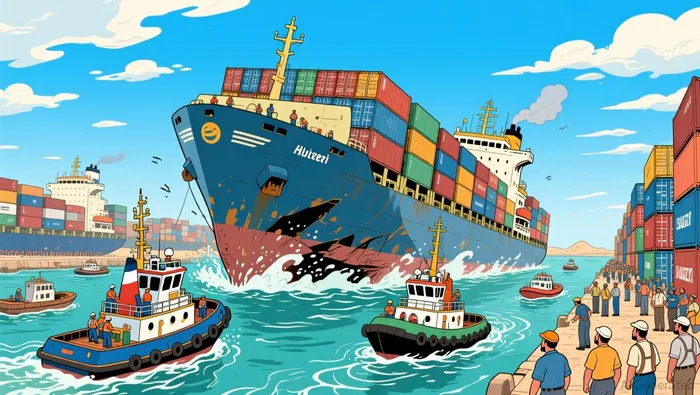 Ever Given container ship disrupted global trade, including energy shipments, causing short-term price spikes. Investors who recognized this risk could hedge their portfolios or avoid overexposure to energy assets during the crisis.
Leverage Diversification: Energy markets are sensitive to supply chain shocks. Diversifying across sectors (e.g., renewable energy, energy-efficient technologies) can mitigate risks. For instance, during the 2022 energy crisis, companies producing solar panels or wind turbines saw increased demand as countries sought alternatives to fossil fuels.
Case Study: The 2022 Energy Crisis
The 2022 energy crisis highlights how supply chain issues and inventory levels drive volatility. After Russia’s invasion of Ukraine, European countries cut imports of Russian oil and gas861002--. Simultaneously, global supply chains were still recovering from pandemic-related shutdowns, and OPEC+ production cuts limited global oil supply. As a result, crude oil prices surged to over $120 per barrel, while natural gas prices in Europe spiked by more than 300% in a single year.
Investors who monitored inventory data saw European natural gas storages at historic lows by late 2021. This signaled a potential winter crisis, prompting many to invest in energy infrastructure or hedging instruments. Companies with resilient supply chains, like those with diversified sourcing or energy storage capabilities, outperformed the broader market.
Risks and Considerations
While inventory levels and supply chain trends are valuable tools, they are not foolproof. Sudden policy changes (e.g., government subsidies for renewables), technological advancements, or unexpected demand shifts can override these indicators. For example, a rapid increase in electric vehicle adoption could reduce long-term oil demand, offsetting short-term supply chain impacts.
To mitigate risks, investors should: - Combine inventory and supply chain analysis with broader economic data (e.g., GDP growth, inflation). - Use stop-loss orders or options to limit losses during sudden price swings. - Stay informed about geopolitical developments and central bank policies, which can indirectly affect energy markets.
Conclusion
Energy market volatility is inevitable, but understanding supply chain disruptions and inventory levels provides a roadmap for navigating it. By monitoring key indicators, diversifying portfolios, and staying informed, investors can position themselves to capitalize on opportunities while managing risks. In a sector where timing is everything, these strategies offer a practical framework for making data-driven decisions.

Stay ahead of the market.
Get curated U.S. market news, insights and key dates delivered to your inbox.


AInvest
PRO
AInvest
PRO



Comments
No comments yet