
How Supply Chain Disruptions Impact Currency and Inflation: A Case Study in Emerging Markets
 Aime Summary
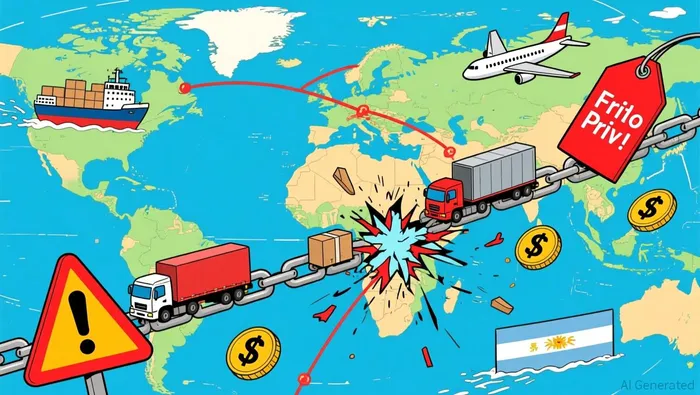
In the interconnected global economy, supply chains are the invisible networks that bring goods from manufacturers to consumers. When these networks experience disruptions — such as those caused by natural disasters, geopolitical conflicts, or pandemics — the effects ripple far beyond factory floors. They can influence currency values and inflation, especially in emerging markets, where economies are often more vulnerable to external shocks.
Understanding the Core Concept
Let’s break it down. A supply chain is the full lifecycle of a product, from the sourcing of raw materials to the delivery of the finished product. When a supply chain is disrupted, the flow of goods slows or stops, leading to shortages. This scarcity can cause prices to rise — a phenomenon known as inflation. Inflation occurs when the general price level of goods and services increases over time, reducing the purchasing power of money.
At the same time, when a country cannot meet the demand for goods and services, it may have to import more, increasing its current account deficit. A growing deficit can weaken the country's currency, as investors lose confidence in its ability to pay back debts or maintain economic stability.
How It Affects Investment Decisions
For investors, understanding these dynamics can help in making more informed decisions. For example, when supply chain disruptions are likely to cause inflation, investors might adjust their portfolios by: - Shifting toward assets that historically perform well during inflation, such as commodities (e.g., gold or oil) or real estate. - Avoiding long-term fixed income investments like bonds, which lose value when inflation rises. - Supporting companies in sectors less affected by supply chain issues, such as services or technology.
Investors in emerging markets may also pay closer attention to central bank policies, as these institutions often raise interest rates to combat inflation — which can further affect currency strength and investor sentiment.
A Case Study: Argentina and the 2020 Pandemic
A real-world example of supply chain disruptions impacting currency and inflation can be seen in Argentina during the early stages of the 2020 pandemic.
Argentina relies heavily on imports for food and essential goods. When global shipping routes were disrupted and international trade slowed, the country experienced severe shortages of basic products like bread and toilet paper. This led to a surge in inflation, which reached over 50% in 2021.
At the same time, Argentina's currency, the peso, weakened significantly against the U.S. dollar. The central bank responded by raising interest rates — a common anti-inflation tool — but this increased borrowing costs for businesses and households, further complicating the economic situation.
This example shows how supply chain shocks can create a feedback loop of rising prices and currency devaluation, especially in markets that are already economically fragile.
Risks and Considerations for Investors
While understanding the link between supply chains, inflation, and currency can offer strategic advantages, there are also risks to consider. Emerging markets are particularly sensitive to external events, and predicting the exact impact of a supply chain disruption is difficult.
To mitigate these risks, investors should: - Diversify their portfolios across regions and asset classes. - Monitor macroeconomic indicators like inflation rates, trade balances, and central bank policies. - Stay informed about global events and how they might affect trade flows.
Conclusion
Supply chain disruptions may seem like a distant problem in the world of manufacturing, but their effects on currency and inflation can have a direct impact on investors. By understanding how these events influence prices and exchange rates — especially in emerging markets — investors can make more informed and strategic choices. Keeping a close eye on global events and adapting investment strategies accordingly can help navigate the uncertainties of a rapidly changing world economy.

Stay ahead of the market.
Get curated U.S. market news, insights and key dates delivered to your inbox.


AInvest
PRO
AInvest
PRO



Comments
No comments yet