
Using Supply Chain Disruptions to Identify Agricultural Investment Opportunities
 Aime Summary
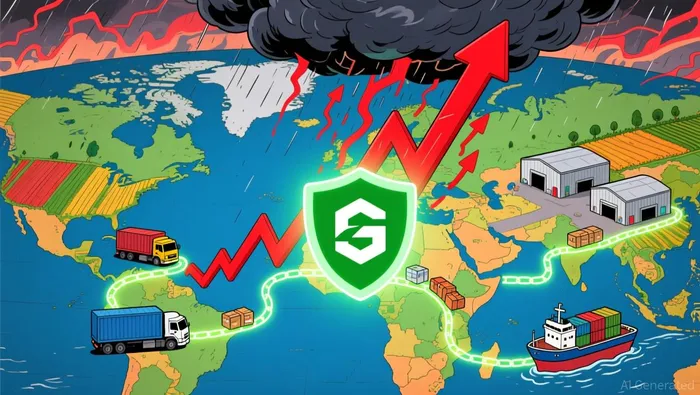
Supply chain disruptions—events that interrupt the flow of goods from producers to consumers—can create both challenges and opportunities in the agricultural sector. For investors, understanding how these disruptions ripple through the industry can reveal hidden investment potential. This article explores how supply chain dynamics shape agricultural markets and how investors can leverage this knowledge to make informed decisions.
What Are Supply Chain Disruptions in Agriculture?
A supply chain is the network of processes that moves a product from its origin to the end user. In agriculture, this includes everything from growing crops and raising livestock to transportation, processing, and retail distribution. Disruptions can arise from natural disasters (e.g., droughts or floods), geopolitical conflicts, labor shortages, or global events like pandemics. These events often lead to price volatility, shortages, or shifts in demand for specific goods.
For example, a drought in a major wheat-producing region can reduce crop yields, driving up global wheat prices. Similarly, a labor shortage in a country that exports fruits may delay harvests, creating a temporary oversupply in other markets. Investors who monitor these disruptions can identify companies positioned to adapt or benefit from such shifts.
Strategies for Agricultural Investors
- Invest in Resilient Companies: Look for businesses with robust supply chain strategies, such as diversified suppliers, vertical integration, or advanced logistics. These companies are better equipped to navigate disruptions and maintain profitability.
 Diversify Across Sectors: Avoid overexposure to a single crop or region. For instance, if a disruption affects corn production, a portfolio with investments in soy, dairy, or aquaculture may remain stable.
- Target Emerging Technologies: Innovations like precision agriculture, blockchain for traceability, and sustainable packaging often gain traction during disruptions. Startups or established firms adopting these technologies may offer growth opportunities.
- Monitor Geopolitical and Climate Trends: Events like trade wars or climate-related disasters (e.g., wildfires in California) can create short-term gaps in supply. Investors can position themselves to capitalize on companies addressing these gaps.
Case Study: The 2021 Texas Freeze
In February 2021, a severe winter storm hit Texas, causing widespread power outages and freezing agricultural equipment. The event disrupted the production of crops like onions and avocados, which Texas and neighboring states typically export. As a result, prices for these commodities spiked, and companies offering cold storage solutions or alternative distribution channels saw increased demand. For instance, Cold Storage Logistics Inc. reported a 25% surge in contract renewals during the crisis, as farmers sought secure storage for perishable goods. Investors who anticipated the need for such services before the freeze could have positioned themselves to benefit from the market shift.
Risks and Considerations
While supply chain disruptions can create opportunities, they also carry risks. For example: - Overestimating the Duration of Disruptions: A temporary drought may not lead to long-term price increases if other regions compensate with higher yields. - Regulatory Changes: Governments may impose export restrictions or subsidies during crises, altering market dynamics. - Commodity Volatility: Prices can swing rapidly, making timing critical for investors.
To mitigate these risks, conduct thorough research on the root causes of disruptions and their potential longevity. Diversify your portfolio and consider hedging strategies (e.g., futures contracts) to protect against sudden price swings. Always assess a company’s financial health and adaptability before investing.
Conclusion
Supply chain disruptions in agriculture are not just challenges—they are signals of shifting market dynamics. By understanding how these disruptions affect production, pricing, and consumer behavior, investors can identify undervalued opportunities and resilient businesses. Whether through technological innovation, diversified portfolios, or strategic timing, the key lies in staying informed and adaptable. As climate change and global uncertainties continue to reshape the agricultural landscape, the ability to spot and act on supply chain trends will remain a valuable skill for investors.

Stay ahead of the market.
Get curated U.S. market news, insights and key dates delivered to your inbox.


AInvest
PRO
AInvest
PRO



Comments
No comments yet