
Supply Chain Disruptions in the Food Sector: Implications for Consumer Goods Investors


 Aime Summary
, produced by Great Lakes Cheese Co. Inc. and sold under private labels at major retailers like Aldi, TargetTGT--, and WalmartWMT--, underscores the fragility of modern food supply chains. This incident, linked to metal contamination and reclassified as a by the FDA, has exposed vulnerabilities in supplier oversight, brand trust, and investor risk management. For consumer goods investors, the recall serves as a case study in how supply chain disruptions can ripple across financial, operational, and reputational domains-and how companies can build resilience through strategic diversification.
Supplier Contracts: A New Era of Scrutiny
The recall has forced retailers and manufacturers to renegotiate supplier contracts, embedding stricter quality controls and .
According to a report, the contamination originated from either raw materials or processing equipment, highlighting gaps in supplier audits. In response, companies are
diversifying their supplier base and increasing inventory buffers to mitigate single-point failures. For instance, blockchain technology is
being adopted to shorten recall durations and improve transparency, a trend that could redefine . Investors should note that firms integrating advanced supply chain technologies may gain a competitive edge in managing recall risks.
Brand Trust: The Invisible Cost of Recalls
Consumer trust, a critical asset for food brands, has been eroded by the recall.
A 2025 survey by Food Safety News revealed . The incident involving Aldi's Happy Farms cheese, which was
linked to stainless steel fragments, further illustrates how even minor contamination risks can damage brand loyalty. Retailers are now prioritizing proactive communication strategies, such as real-time recall notifications and transparent labeling, to rebuild consumer confidence. For investors, brands that invest in and environmental monitoring programs may better retain market share post-crisis.
Investor Reactions: Mixed Signals in the Market
The recall's financial impact has been uneven across retailers.
Target's Q3 2025 earnings report , . In contrast,
Walmart's stock surged , demonstrating how diversified revenue streams can cushion recall-related shocks. Aldi, which did not report specific stock data, faces indirect risks as its private-label brands are deeply tied to supplier performance. These divergent outcomes highlight the importance of portfolio diversification for investors, particularly in sectors where recall frequency is rising.
Risk Diversification: Lessons from the Cheese Recall
The incident underscores the need for food manufacturers to adopt multi-layered risk diversification strategies. Key measures include:
1. Supplier Redundancy: Companies are now
prioritizing multiple suppliers for critical ingredients to avoid over-reliance on single sources.
2. Regulatory Compliance:
The FDA's Food Traceability Final Rule (FSMA Rule 204) mandates enhanced supply chain transparency, pushing firms to invest in compliance infrastructure.
3. AI-Driven Contract Management:
Tools leveraging artificial intelligence are being used to optimize contract terms, ensuring flexibility in response to regulatory or economic shifts.
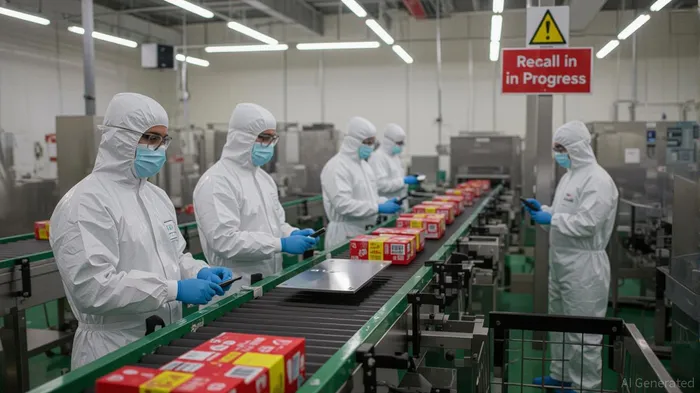
For investors, firms that proactively integrate these strategies-such as those adopting blockchain for traceability or AI for supplier risk analysis-are likely to outperform peers in volatile markets.
Conclusion: Building Resilience in an Uncertain Landscape
The 2025 cheese recall is a microcosm of broader challenges facing the food sector. As recalls become more frequent and complex, investors must prioritize companies that treat supply chain resilience as a strategic imperative rather than a cost center. By scrutinizing supplier contracts, brand trust metrics, and technological adoption, investors can identify firms best positioned to navigate disruptions-and capitalize on opportunities in a rapidly evolving industry.

Stay ahead of the market.
Get curated U.S. market news, insights and key dates delivered to your inbox.
AInvest
PRO
AInvest
PRO



Comments
No comments yet