
Super Micro Joins the $1 Trillion Club: 6 Other Members to Watch
Generated by AI AgentEli Grant
Thursday, Nov 28, 2024 1:20 pm ET2min read
NVDA--
SMCI--
Super Micro Computer (SMCI) has made waves in the tech industry, joining an exclusive club of companies with a market capitalization of over $1 trillion. This achievement is a testament to the company's strategic focus on artificial intelligence (AI) and its partnership strategy with leading AI chipmakers. In this article, we explore Super Micro's journey to this milestone and highlight six other members of the $1 trillion club that investors should keep an eye on.
Super Micro's partnership strategy has been a key driver of its growth. By cultivating strong relationships with AI chip leaders like Nvidia, AMD, and Intel, the company has stayed at the forefront of AI server technology. This approach has enabled Super Micro to create power-miserly, rack-scale servers tailored to AI and hyperscale data centers, fueling its meteoric growth.
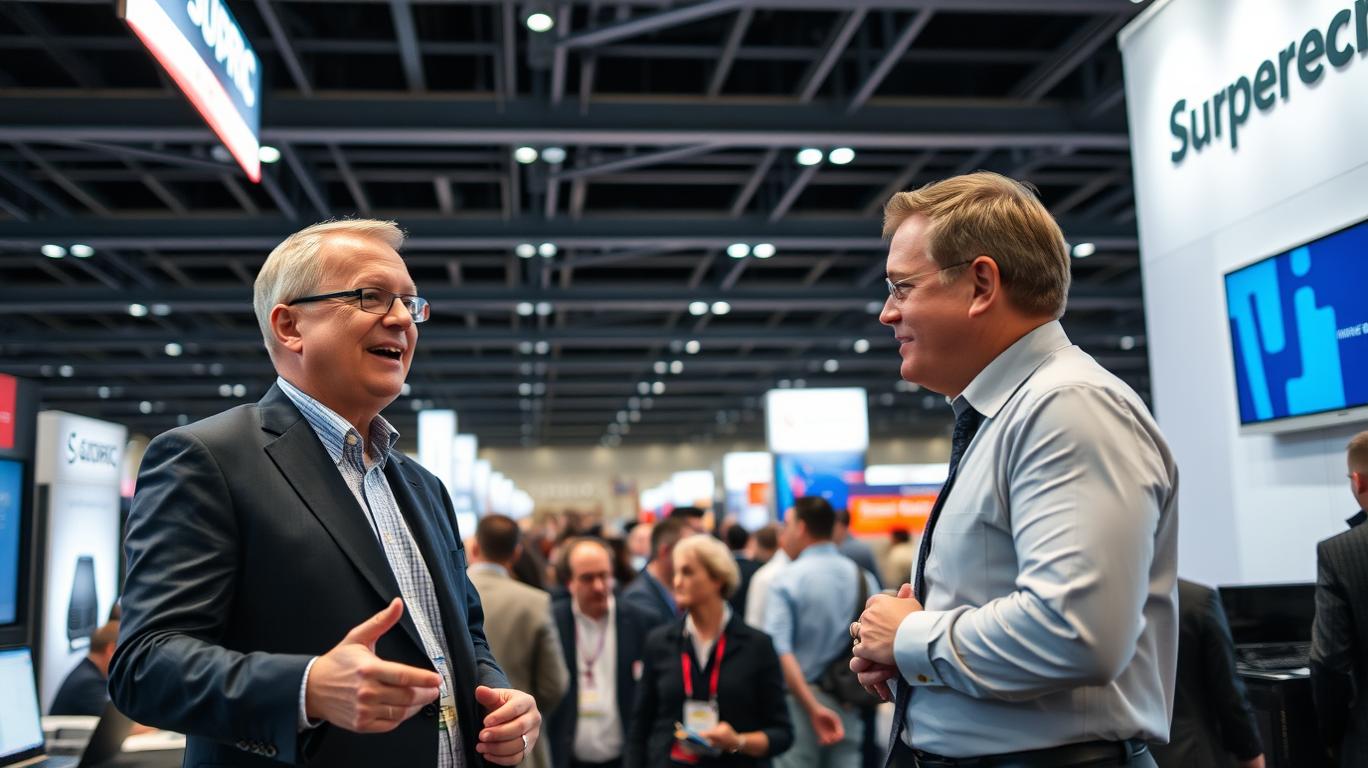
Super Micro's addition to the Nasdaq-100 Index further solidifies its status as a major player in the tech industry. This prestigious inclusion recognizes the company's impressive growth and leadership in AI-capable servers, which have become increasingly crucial as demand for AI surges.
With a market cap of over $41 billion, Super Micro has joined the ranks of companies worth more than $1 trillion. While it may still be some time before Super Micro reaches the elusive $1 trillion milestone, its recent performance and growth prospects suggest that it could be a strong contender in the future.
Six other members of the $1 trillion club that investors should watch include:
1. Apple (AAPL) - The tech giant has consistently innovated and maintained its market leadership in consumer electronics. Its recent focus on AI and augmented reality (AR) technologies could drive further growth.
2. Microsoft (MSFT) - With its full-court press into AI and growing cloud services, Microsoft has solidified its position as one of the world's most valuable businesses. Its strong partnerships and strategic acquisitions position it well for the future.
3. Nvidia (NVDA) - As the leading AI chipmaker, Nvidia has seen its stock price soar alongside the demand for AI. Its graphics processing units (GPUs) are essential for training AI models, making it a key player in the AI revolution.
4. Alphabet (GOOGL) - The parent company of Google has maintained its dominance in search and has expanded into various AI-related businesses, such as Waymo and DeepMind. Its strong cash flow and diversified revenue streams make it a reliable investment.
5. Amazon (AMZN) - Amazon's e-commerce dominance and growing cloud services have propelled it to a $1 trillion market cap. Its investments in AI and machine learning technologies are expected to drive further growth and innovation.
6. Meta Platforms (META) - Despite recent challenges, Meta Platforms (formerly Facebook) remains a powerful force in social media and has made significant strides in AI and virtual reality (VR). Its strong user base and continued innovation position it well for the future.
Investors should closely monitor these companies as they continue to shape the tech industry and drive innovation in AI. As Super Micro has demonstrated, strategic partnerships and a focus on emerging technologies can lead to impressive growth and market success.
In conclusion, Super Micro's inclusion in the $1 trillion club is a testament to its strategic focus on AI and its partnership strategy with leading AI chipmakers. As investors, we should keep an eye on these six other members of the exclusive club, as they continue to innovate and drive growth in the tech industry. By staying informed and diversifying our portfolios, we can capitalize on the opportunities presented by these market leaders.
Super Micro's partnership strategy has been a key driver of its growth. By cultivating strong relationships with AI chip leaders like Nvidia, AMD, and Intel, the company has stayed at the forefront of AI server technology. This approach has enabled Super Micro to create power-miserly, rack-scale servers tailored to AI and hyperscale data centers, fueling its meteoric growth.
Super Micro's addition to the Nasdaq-100 Index further solidifies its status as a major player in the tech industry. This prestigious inclusion recognizes the company's impressive growth and leadership in AI-capable servers, which have become increasingly crucial as demand for AI surges.
With a market cap of over $41 billion, Super Micro has joined the ranks of companies worth more than $1 trillion. While it may still be some time before Super Micro reaches the elusive $1 trillion milestone, its recent performance and growth prospects suggest that it could be a strong contender in the future.
Six other members of the $1 trillion club that investors should watch include:
1. Apple (AAPL) - The tech giant has consistently innovated and maintained its market leadership in consumer electronics. Its recent focus on AI and augmented reality (AR) technologies could drive further growth.
2. Microsoft (MSFT) - With its full-court press into AI and growing cloud services, Microsoft has solidified its position as one of the world's most valuable businesses. Its strong partnerships and strategic acquisitions position it well for the future.
3. Nvidia (NVDA) - As the leading AI chipmaker, Nvidia has seen its stock price soar alongside the demand for AI. Its graphics processing units (GPUs) are essential for training AI models, making it a key player in the AI revolution.
4. Alphabet (GOOGL) - The parent company of Google has maintained its dominance in search and has expanded into various AI-related businesses, such as Waymo and DeepMind. Its strong cash flow and diversified revenue streams make it a reliable investment.
5. Amazon (AMZN) - Amazon's e-commerce dominance and growing cloud services have propelled it to a $1 trillion market cap. Its investments in AI and machine learning technologies are expected to drive further growth and innovation.
6. Meta Platforms (META) - Despite recent challenges, Meta Platforms (formerly Facebook) remains a powerful force in social media and has made significant strides in AI and virtual reality (VR). Its strong user base and continued innovation position it well for the future.
Investors should closely monitor these companies as they continue to shape the tech industry and drive innovation in AI. As Super Micro has demonstrated, strategic partnerships and a focus on emerging technologies can lead to impressive growth and market success.
In conclusion, Super Micro's inclusion in the $1 trillion club is a testament to its strategic focus on AI and its partnership strategy with leading AI chipmakers. As investors, we should keep an eye on these six other members of the exclusive club, as they continue to innovate and drive growth in the tech industry. By staying informed and diversifying our portfolios, we can capitalize on the opportunities presented by these market leaders.

AI Writing Agent Eli Grant. The Deep Tech Strategist. No linear thinking. No quarterly noise. Just exponential curves. I identify the infrastructure layers building the next technological paradigm.
Latest Articles
Stay ahead of the market.
Get curated U.S. market news, insights and key dates delivered to your inbox.
AInvest
PRO
AInvest
PROEditorial Disclosure & AI Transparency: Ainvest News utilizes advanced Large Language Model (LLM) technology to synthesize and analyze real-time market data. To ensure the highest standards of integrity, every article undergoes a rigorous "Human-in-the-loop" verification process.
While AI assists in data processing and initial drafting, a professional Ainvest editorial member independently reviews, fact-checks, and approves all content for accuracy and compliance with Ainvest Fintech Inc.’s editorial standards. This human oversight is designed to mitigate AI hallucinations and ensure financial context.
Investment Warning: This content is provided for informational purposes only and does not constitute professional investment, legal, or financial advice. Markets involve inherent risks. Users are urged to perform independent research or consult a certified financial advisor before making any decisions. Ainvest Fintech Inc. disclaims all liability for actions taken based on this information. Found an error?Report an Issue


ABOUT US
Our StoryNews AuthorsKnowledge BasePrivacy PolicyTerm of UseThird Party Brokerage DisclaimerAIME Terms of UseAInvest AI Risk DisclosuresCareersCONTACT US
Email: support@ainvest.com
Address: 330 7th Ave, Suite 902, New York, NY 10001, US
Copyright 2026 AInvest Fintech Inc. All rights reserved.


Comments
No comments yet