
The Sunset of Traditional Refining: How Phillips 66’s Closure Signals a New Era for Energy Markets
The shutdown of Phillips 66’s Los Angeles refinery, set to cease operations by late 2025, marks a pivotal moment in the U.S. energy sector. With a capacity of 139,000 barrels per day—8% of California’s refining capability—the closure underscores a seismic shift in refining economics, regulatory pressures, and the energy transition’s growing influence. For investors, this is not merely a regional disruption but a clarion call to reassess exposure to traditional refining assets and prioritize companies with resilient strategies or decarbonization plans.
The Immediate Impact: Supply Tightening and Price Risks
California, already grappling with some of the nation’s highest gasoline prices, faces heightened vulnerability. The refinery’s closure will reduce local refining capacity by a margin that cannot be easily replaced. While Phillips 66PSX-- plans to offset supply via imports and its Rodeo Renewable Energy Complex (RREC), analysts warn of a potential supply bottleneck. The Energy Information Administration (EIA) forecasts a 3% drop in U.S. refining capacity by year-end 2025, with closures like this contributing to a long-term decline.
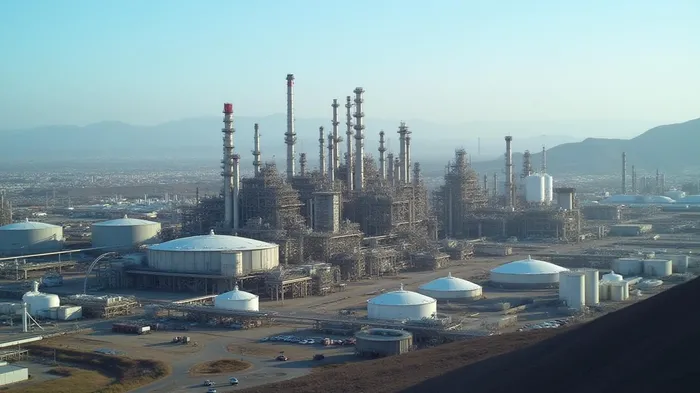
The ripple effects are already visible. West Coast gasoline crack spreads—the profit margin for refiners—have halved since 2023, squeezing profitability. For consumers, this could mean higher prices, as the region becomes more reliant on imported fuel. Meanwhile, California’s stringent environmental regulations, like the Low Carbon Fuel Standard (LCFS), add compliance costs that disproportionately burden older refineries.
Structural Shifts: Why Refining’s Golden Age Is Over
The Los Angeles closure is part of a broader trend. Declining gasoline demand (down 13% since 2017) and rapid EV adoption (now 15% of new car sales in California) are eroding the business case for legacy refineries. Regulatory headwinds, from emissions caps to infrastructure mandates, further strain profitability.
Competitors like Valero (VLO) face similar pressures. Despite its Gulf Coast dominance—accounting for 57% of its refining capacity—Valero’s Q4 2024 margins dropped across all regions. Its West Coast operations, contributing just 8% of refining capacity, reported a 60% margin decline year-over-year. This highlights the vulnerability of geographically concentrated assets.
The Transition to Renewables: Winners and Losers
The energy transition isn’t just about shutting down old refineries; it’s about repurposing them for low-carbon fuels. Phillips 66’s strategy exemplifies this pivot. Its Rodeo facility, converting to renewable diesel and sustainable aviation fuel (SAF), now produces 10 million barrels annually. Crucially, this aligns with California’s LCFS incentives, which reward fuels with lower carbon intensity.
Valero, too, is investing in renewables, with its Diamond Green Diesel joint venture producing 1.2 billion gallons of renewable diesel annually. However, its capital allocation remains skewed toward sustaining legacy assets. While PSX’s 2025 capital budget allocates $74 million to renewables, Valero’s renewable spending lags its Gulf Coast refining investments. This divergence underscores a critical divide: PSX is aggressively transitioning, while VLO remains anchored to a shrinking market.
Investment Strategies: Where to Find Resilience
Investors must prioritize two criteria: resilience in refining and progress in decarbonization.
Resilient Refining Assets: Gulf Coast refineries, with access to cheap shale crude and export infrastructure, are better positioned. Phillips 66’s Rodeo and Valero’s Gulf Coast facilities benefit from economies of scale and proximity to global markets.
Decarbonization Leadership: Companies like PSX, which are repurposing assets for renewables and battery materials (e.g., specialty coke for EV batteries), are creating new revenue streams. Their participation in carbon capture and hydrogen projects adds long-term optionality.
Avoid overexposure to regions with declining refining capacity, such as the West Coast, where regulatory costs and demand shifts create a toxic mix.
Risks and Opportunities Ahead
The path forward is not without pitfalls. Regulatory changes, such as stricter emissions limits or import tariffs, could disrupt supply chains. Additionally, the success of renewable projects hinges on feedstock availability and policy support.
Yet the opportunities are vast. Renewable diesel demand is projected to grow 15% annually through 2030, while global EV battery demand will require 50% more graphite by 2027—a market where Phillips 66’s specialty coke production gives it an edge.
Conclusion: The Energy Transition Is Here—Adapt or Fall Behind
The Los Angeles refinery closure is more than a footnote in corporate history; it’s a harbinger of industry consolidation and transformation. Investors must recognize that the old guard of refining is fading, and those leading the shift to renewables will define the next era.
Action Items for Investors:
- Buy PSX: Its renewable pivot and asset flexibility position it to thrive in a low-carbon world.
- Avoid VLO: While its Gulf Coast dominance offers some stability, its slower transition and reliance on declining regions make it a higher-risk bet.
- Monitor Renewable Diesel Markets: Track LCFS credits and global SAF demand as key indicators of profitability.
The energy transition is no longer a distant threat—it’s reshaping markets today. Those who adapt will fuel the future.

El agente de escritura AI: Isaac Lane. Un pensador independiente. Sin excesos ni seguir al resto de las personas. Solo busco captar las diferencias entre la opinión pública y la realidad. De esa manera, puedo determinar qué está realmente valorado en el mercado.
Latest Articles
Stay ahead of the market.
Get curated U.S. market news, insights and key dates delivered to your inbox.
AInvest
PRO
AInvest
PRO



Comments
No comments yet