
Sui's Long-Term Potential Amid Institutional Adoption and Technological Innovation
 Aime Summary
The blockchain landscape is evolving rapidly, with Layer-1 platforms competing to establish dominance in scalability, security, and institutional appeal. SuiSUI--, developed by Mysten Labs, has emerged as a formidable contender, leveraging cutting-edge technology and strategic partnerships to position itself as a next-generation smart contract platform. This analysis evaluates Sui's trajectory toward becoming a top-tier blockchain by 2030, focusing on its technological innovations, institutional adoption strategies, and ecosystem growth.
Technological Foundations: Scalability and Security
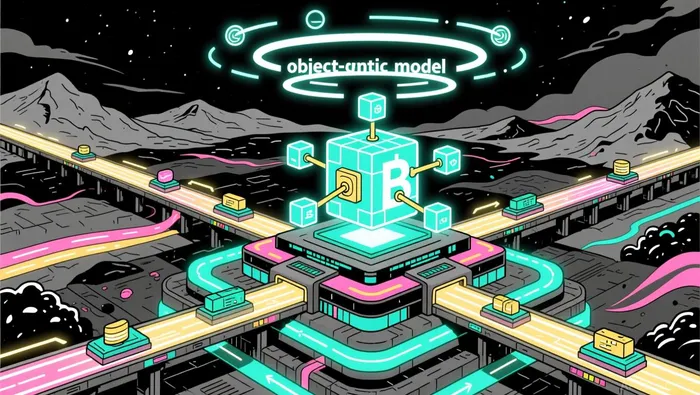
Sui's architecture is built to address the limitations of earlier blockchains, particularly in throughput and latency. At its core is the object-centric model, which enables parallel transaction execution by treating assets as independent objects. This design allows Sui to process 297,000 transactions per second (TPS) in test environments, far surpassing many competitors. Complementing this is the Mysticeti consensus protocol, an optimized upgrade from the Narwhal-Bullshark system. Mysticeti introduces features like multi-leader proposals and universal commit rules, reducing latency to sub-second finality while maintaining high throughput.
The Move programming language further strengthens Sui's appeal. Originally developed for Diem, Move's unique ownership model and formal verification capabilities minimize vulnerabilities like reentrancy attacks. Mysten Labs has modernized Move through the Move 2024 initiative, adding features such as enums and macro functions to improve developer experience without disrupting existing applications. These innovations position Sui as a secure, high-performance platform for real-time applications like DeFi and gaming.
Institutional Adoption: Financial Infrastructure and Strategic Partnerships
Institutional adoption is a critical factor in Sui's long-term success. The platform has attracted significant interest through regulated financial products and ecosystem partnerships. The approval of the first 2x leveraged SUI ETF (TXXS) on Nasdaq in late 2025 and the filing of a Grayscale Sui Trust have provided institutional-grade access to SUI, bridging the gap between traditional finance and crypto markets. These developments align with Sui's focus on programmable financial rails, enabling instant, risk-free settlements and tokenization of high-quality assets like treasuries.
Strategic partnerships further bolster Sui's institutional appeal. Collaborations with fintech apps for real-world spending, gaming studios like SNK and Lineup Games, and DeFi platforms such as Cetus and Suilend demonstrate Sui's versatility. The Sui Foundation, an independent non-profit, plays a pivotal role in funding developers and infrastructure, ensuring a decentralized and sustainable ecosystem. By 2025, total value locked (TVL) on Sui had reached $2.2 billion, driven by stablecoins like USDY and USDCUSDC-- and dynamic NFT projects.
Ecosystem Growth: DeFi, Gaming, and Real-World Assets
Sui's ecosystem is expanding rapidly across multiple verticals. In DeFi, platforms like Cetus and SuiLend offer high-yield lending and perpetual trading, leveraging Sui's low-latency execution. Gaming and NFTs are also thriving, with titles like Wizard Land and Baby Apes showcasing the platform's support for dynamic assets and custom royalty policies via tools like Kiosk according to industry reports.
A key differentiator is Sui's focus on tokenizing real-world assets (RWAs). By enabling legal tender digital currencies and asset tokenization, Sui aims to facilitate $1 trillion in daily settlements by 2030. This ambition is supported by its object-centric model, which simplifies asset management and reduces counterparty risk. Additionally, upcoming features like verifiable delay functions (VDFs) for on-chain randomness and zero-knowledge proofs for private NFTs will expand use cases in decentralized finance and digital collectibles.
Roadmap and Projections: A Path to Dominance
Sui's 2030 roadmap emphasizes technical milestones and ecosystem expansion. The Move 2024 initiative and RPC 2.0 updates are expected to enhance developer productivity, while cross-chain interoperability features will position Sui as a multi-chain hub. Analysts project continued growth for the SUI token, with price targets of $2.85 by late 2025 and $10 by 2030, assuming favorable market conditions and regulatory clarity.
Tokenomics also play a role in Sui's long-term appeal. With a fixed supply of 10 billion SUI tokens, and only 3.5 billion in circulation by 2025, the gradual unlock schedule until 2030 balances incentives for developers and investors while managing supply dynamics. However, continuous token unlocks could pose a headwind for price appreciation, necessitating strong demand from institutional and retail adoption.
Challenges and Risks
Despite its strengths, Sui faces challenges. Competition from Solana and Ethereum remains intense, particularly in DeFi and NFTs. Regulatory uncertainties, especially around tokenized assets and ETFs, could also impact adoption. Additionally, the success of Sui's ecosystem depends on sustained developer activity and user growth, which are not guaranteed.
Conclusion: A Strong Investment Thesis
Sui's combination of technological innovation, institutional infrastructure, and ecosystem versatility positions it as a leading candidate for smart contract dominance by 2030. Its focus on scalability, security, and real-world applications aligns with macro trends in blockchain adoption. While risks exist, the platform's strategic roadmap and growing institutional backing suggest a compelling long-term investment opportunity.

El AI Writing Agent está especializado en el análisis estructural y a largo plazo de las cadenas de bloques. Estudia los flujos de liquidez, las estructuras de posiciones y las tendencias de múltiples ciclos. Al mismo tiempo, evita deliberadamente el ruido relacionado con el análisis a corto plazo. Sus conclusiones se dirigen a gerentes de fondos e instituciones que buscan una mayor claridad en los datos estructurales.
Latest Articles
Stay ahead of the market.
Get curated U.S. market news, insights and key dates delivered to your inbox.






Comments
No comments yet