
Student Loan Wage Garnishment Resumes in 2026 — How Borrowers and Investors Should Prepare


 Aime Summary
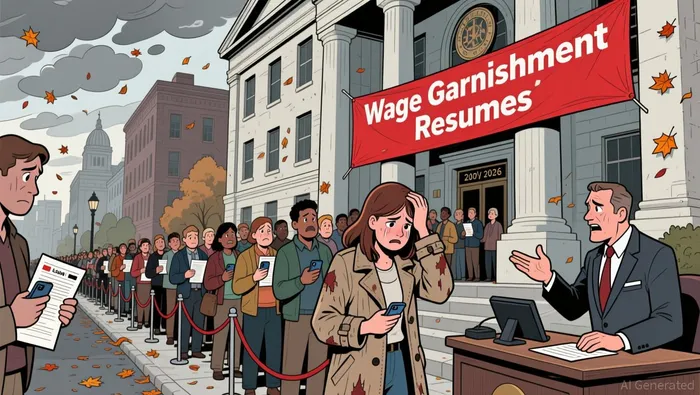
Federal student loan borrowers who have fallen into default are preparing for a significant financial shift in early 2026. After more than five years of payment pauses and suspended collections, the Trump administration has announced that wage garnishment will resume for borrowers who have not made payments for over 270 days. Starting in early January, the Department of Education will begin sending out notices to tens of thousands of borrowers, many of whom may not have prepared for the sudden return of this aggressive collection method. The policy's reintroduction raises questions for both individual borrowers and investors about how this will affect personal finances, consumer spending, and broader financial markets.
Understanding the 2026 Policy Rollout
The Department of Education confirmed that wage garnishment will begin in January 2026, with initial notices going out to approximately 1,000 borrowers the week of January 7. Each month, the number of notices will increase, signaling a gradual but steady escalation in enforcement. Borrowers will receive a 30-day notice before any garnishment begins, a step the department says gives individuals an opportunity to negotiate repayment plans or seek other relief options. However, for many, the reality is that this notice period may not provide enough time to avoid wage deductions.
The policy resumes after a five-year pause on collections that began during the pandemic. As of May 2025, more than 5 million borrowers were already in default, with projections suggesting that up to 4 million more could join them in the coming months. These figures highlight the scale of the problem—and the potential for widespread economic ripple effects as wage garnishment takes effect. The government can withhold up to 15% of a borrower's after-tax income to pay off their defaulted loans, a move that could significantly reduce the discretionary spending power of affected households.
The Economic Impact: Borrowers, Consumers, and the Market
Wage garnishment is not just a concern for individual borrowers; it has broader economic implications. For many households, a 15% cut in take-home pay could mean difficulty covering basic expenses, especially in an environment of high inflation and rising living costs. Financial analysts have noted that this could lead to a slowdown in consumer spending, one of the key drivers of U.S. economic growth. If millions of Americans see their incomes drop due to garnishment, retailers, restaurants, and other consumer-facing businesses could feel the impact.
Investors may also want to keep a close eye on how this policy plays out. With over 5.5 million borrowers already in default, the financial burden is not just on individuals. Financial institutions and credit agencies are already recalibrating risk models to account for the growing number of borrowers with diminished credit scores. In the first quarter of 2025 alone, over 2.2 million borrowers saw their credit scores drop by more than 100 points. This could affect lending rates, mortgage approvals, and the overall health of the credit market.
What Borrowers and Investors Should Watch
For borrowers, the key takeaway is that time is limited. The 30-day notice period means that if you've fallen into default, you should act quickly to explore repayment options or alternative relief measures such as income-driven repayment plans or deferments. The Education Department emphasizes that collections are only initiated after borrowers have been given a chance to repay—but not all will be able to take advantage of that opportunity.
For investors, the bigger picture involves monitoring trends in household debt, consumer spending, and credit market dynamics. Total U.S. household debt hit $18.59 trillion in the third quarter of 2025, with student loan balances reaching $1.65 trillion. As wage garnishment resumes, these figures could continue to rise, particularly if more borrowers fall into default. Analysts are also watching how financial institutions respond, especially in terms of loan underwriting and risk management strategies.
Looking Ahead: What's Next for Student Loan Policy
While the 2026 wage garnishment policy is now in effect, the debate over student loan reform shows no signs of slowing down. Lawmakers such as Rep. Ayanna Pressley and Sens. Elizabeth Warren and Cory Booker have already introduced legislation to block wage garnishment, arguing that it disproportionately affects low-income borrowers and exacerbates financial instability. Whether these efforts gain traction remains to be seen, but they highlight the growing political and public interest in student debt relief.
In the meantime, both borrowers and investors should stay informed and prepare for a financial landscape where student debt is an increasingly significant factor. Whether through policy changes, economic shifts, or new repayment strategies, the future of student loan collections is likely to remain a hot topic—and one that will shape the financial well-being of millions of Americans in the years to come.

Delivering real-time insights and analysis on emerging financial trends and market movements.
Latest Articles
Stay ahead of the market.
Get curated U.S. market news, insights and key dates delivered to your inbox.


AInvest
PRO
AInvest
PRO



Comments
No comments yet