
Student Loan Collections: The Silent Threat to Consumer Credit and Economic Stability
The resumption of student loan debt collections in 2025 has unleashed a wave of financial strain on borrowers, with cascading effects on consumer credit scores and borrowing capacity. As delinquency rates surge and credit scores plummet, the implications for consumer spending, lending markets, and broader economic stability are profound. This article examines the risks posed by this crisis and outlines strategic investment shifts to navigate the turbulence.
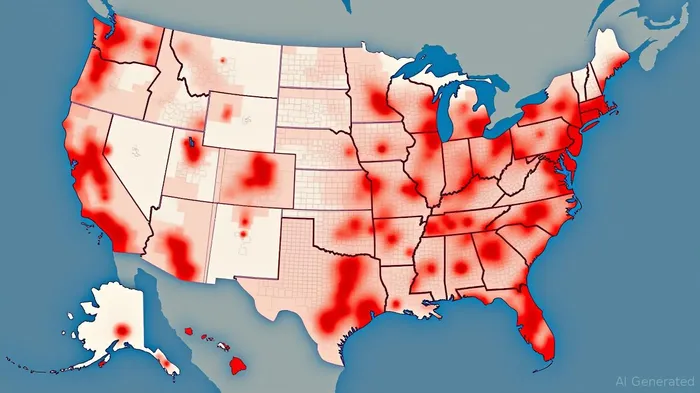
The Surge in Collections and Its Immediate Impact
The end of pandemic-era payment pauses in late 2023 triggered a delinquency crisis. By early 2025, 7.74% of student debt was 90+ days delinquent, up from less than 1% in 2024, with 23.7% of borrowers required to make payments classified as delinquent. The Federal Reserve reported that 2.2 million borrowers saw credit scores drop by over 100 points, and 1 million faced drops exceeding 150 points. These declines erode borrowers' ability to qualify for mortgages, auto loans, or credit cards, creating a self-reinforcing cycle of financial fragility.
Ripple Effects on Consumer Spending and Lending Markets
The credit score degradation is already affecting consumer behavior and market dynamics:
1. Reduced Borrowing Capacity: Borrowers with diminished scores face higher interest rates or outright loan rejections. For example, a 100-point drop could raise mortgage rates by 0.5–1%, drastically increasing monthly payments.
2. Slower Consumer Spending: Auto and housing markets, reliantRAYD-- on credit availability, are at risk. A comparison shows XLY underperforming XLP by 12% since late 2024, signaling a shift to defensive spending.
3. Tighter Lending Standards: Banks may tighten credit criteria, further limiting access to loans. A shows banks' stocks under pressure as defaults rise, threatening their balance sheets.
Systemic Risks and Market-Wide Concerns
The crisis extends beyond individual borrowers to broader economic stability:
- $1.6 trillion in federal student debt is concentrated among 42.7 million borrowers, many of whom are older and financially vulnerable. Defaults could destabilize sectors like housing, where student loan delinquency correlates with home equity losses.
- Financial institutions face exposure to delinquent loans. A reveals market anxiety, with SPY down 4% amid concerns about loan servicing failures (e.g., Navient's mismanagement of repayment plans).
Investment Implications: Shift to Recession-Resistant Sectors
Investors should prioritize assets insulated from credit-related downturns while avoiding overexposure to vulnerable sectors:
- Recession-Resistant Sectors:
- Utilities (XLU): Steadily rising dividends and low correlation with economic cycles.
- Healthcare (XLV): Demand remains stable, even in downturns.
Consumer Staples (XLP): Essential goods outperform discretionary spending during economic uncertainty.
Avoid Credit-Sensitive Instruments:
- High-Yield Bonds (HYG): A shows yields spiking as defaults rise, signaling heightened risk.
Financial Stocks (XLF): Earnings could shrink as loan losses mount.
Liquidity and Safe Havens:
- Allocate to Treasuries (TLT) or gold (GLD) for capital preservation.
Conclusion
The student loan crisis is a ticking time bomb for consumer credit and economic stability. As credit scores degrade and borrowing capacity contracts, investors must pivot toward sectors and instruments that thrive in—or at least withstand—financial turbulence. The data is clear: recession-resistant assets and caution around credit-sensitive exposures are critical in this environment.
Both sectors have outperformed the broader market during economic slowdowns, offering defensive opportunities.
Stay vigilant—and stay diversified.

Stay ahead of the market.
Get curated U.S. market news, insights and key dates delivered to your inbox.


AInvest
PRO
AInvest
PRO



Comments
No comments yet