
The Student Debt Time Bomb: How Defaults Threaten Consumer Spending and Fiscal Stability
The U.S. student loan crisis has reached a critical juncture. With nearly 10 million borrowers at risk of default by early 2025—potentially pushing 25% of the federal portfolio into delinquency—the systemic risks to households and government finances are stark. Federal policies, once designed to ease repayment, are now tightening, and the fallout could reverberate through consumer spending, credit markets, and fiscal planning. For investors, this perfect storm presents both pitfalls and opportunities in sectors positioned to mitigate the fallout.
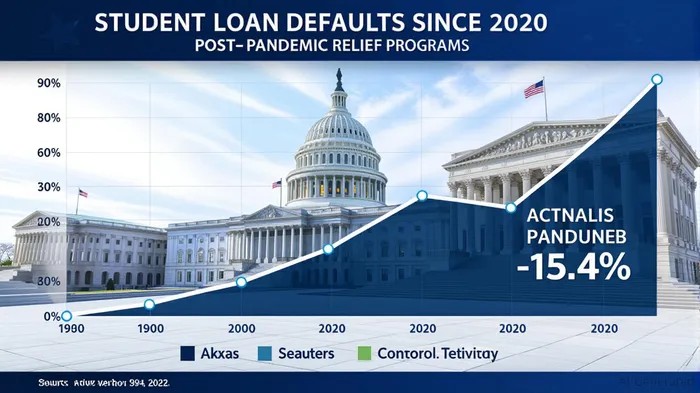
The Crisis in Numbers
The Department of Education's recent data paints a dire picture: only 38% of borrowers are current on payments, while 31% are 90+ days delinquent. Over 5 million borrowers have been in default for over seven years, and defaults are now resuming after a five-year payment pause. The One Big Beautiful Bill Act (effective 2026) exacerbates this by collapsing repayment options into a rigid framework, eliminating income-driven plans for most borrowers and imposing strict loan limits. For households, this means fewer pathways to manage debt, higher monthly burdens, and a squeeze on discretionary spending.
Policy Shifts: From Support to Strain
The new law's two repayment plans—the standard 10-year plan and the Repayment Assistance Plan (IRAP)—strip borrowers of flexibility. For example, IRAP ties monthly payments to family size, but its narrow definitions may exclude non-traditional households. Meanwhile, forbearance and hardship deferments are all but gone, leaving unemployed or financially stressed borrowers with few options. The Department's aggressive collection efforts, including wage garnishment and tax refund offsets, amplify pressure on households already stretched thin by inflation and stagnant wages.
For the federal budget, the consequences are equally concerning. While defaults reduce immediate cash flow to the Treasury, the long-term impact could be a fiscal black hole. The Congressional Budget Office estimates that 30% of the $1.7 trillion federal student loan portfolio may never be repaid, a loss that could force higher deficits or cuts to other programs. Investors should monitor Treasury yields and fiscal policy debates closely, as this strain could destabilize broader market assumptions about federal finances.
The Hidden Risks to Consumer Spending
Student debt's drag on households is well-documented. Younger borrowers, who account for a disproportionate share of consumer spending on housing, autos, and discretionary goods, face a bleak outlook. With fewer borrowers enrolled in income-driven plans—which stretched repayment over decades—the median monthly payment could jump by over 50% once defaults resume. This sudden cash crunch could dampen demand for everything from cars to housing, hurting sectors like retail and real estate.
Investment Opportunities in Resilience
The student debt crisis isn't all doom and gloom for investors. Three sectors stand to benefit from the turmoil:
1. Private Student Loan Refinancing: As federal repayment options shrink, borrowers with strong credit will turn to private lenders offering lower rates or flexible terms. Companies like SoFiSOFI-- (which has already pivoted to focus on refinancing) and regional banks with robust lending platforms could see demand surge.
2. Financial Literacy and Debt-Management Tech: Startups and established fintechs offering budgeting tools, debt consolidation services, or AI-driven repayment strategies (like the government's Aiden) will gain relevance. Look for platforms with scalable models, such as UpstartUPST-- or Greenlight, which blend financial education with lending.
3. Diversified Student Loan Servicers: Firms like NavientNAVI-- (NAVI) or Discover Financial (DFS) that balance servicing federal loans with private lending and financial services may outperform peers overly reliant on government contracts. Their ability to navigate regulatory shifts while offering holistic solutions will be key.
Conclusion: Prepare for the Fallout
The student debt crisis is a slow-motion train wreck, but its effects are already being felt. For investors, the path forward requires a dual focus: avoiding sectors exposed to consumer spending declines and capitalizing on firms building solutions to the debt quagmire. The next few years will test both household resilience and corporate agility. Those positioned to provide clarity, flexibility, and financial safety nets stand to profit—not just from the pain, but from the demand for smarter money management in an era of constrained choices.
In the end, the student debt crisis is a test of America's financial system. For investors, the answer lies in backing companies that turn this pressure point into opportunity—and help households navigate the storm.

Delivering real-time insights and analysis on emerging financial trends and market movements.
Latest Articles
Stay ahead of the market.
Get curated U.S. market news, insights and key dates delivered to your inbox.




Comments
No comments yet