
Stuck in Place: How High Rates and Aging Boomers Are Fueling a Renovation Boom
The U.S. housing market is at an inflection pointIPCX--. With mortgage rates hovering near 7%, homeowners are increasingly reluctant to sell, locking themselves into their current homes—a phenomenon dubbed the "lock-in effect." This stagnation in housing inventory, combined with a demographic shift as baby boomers prioritize aging in place, is creating a golden era for home renovation services and building materials. For investors, the path to profit lies not in flipping homes but in companies that can satisfy a growing appetite for home improvements.
The Lock-In Effect: A Drag on Supply, a Boost for Renovators
The Federal Reserve's aggressive rate hikes have left 84% of homeowners with mortgages below 6%, far below today's 6.72% average for a 30-year fixed rate. This disparity has created a paradox: while home values rose 4.1% in 2025, only 13% of homeowners want to sell, fearing refinancing costs. The result? A housing inventory crisis, with existing homes at a four-month supply—the lowest since 2005.
This scarcity is a tailwind for renovation firms. With fewer homes for sale, families seeking upgrades—whether for accessibility, space, or energy efficiency—are opting to renovate rather than relocate. The National Association of Home Builders (NAHB) forecasts a 5% surge in remodeling activity in 2025, driven by both necessity and equity-driven investment.
The data underscores the trend:
Demographics and Dollars: The Baby Boomer Boom
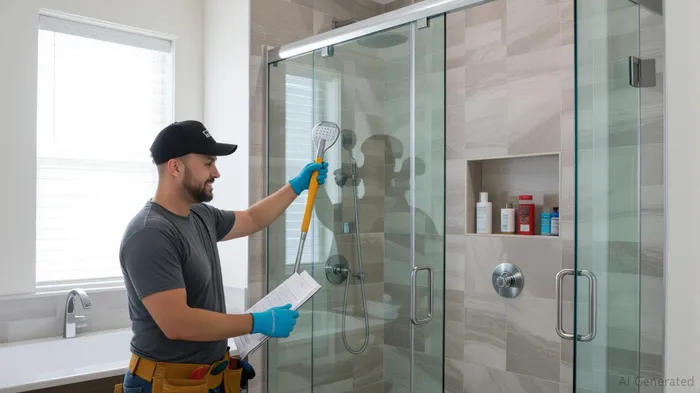
The lock-in effect is compounded by an aging population. With 10,000 baby boomers turning 70 daily, demand for age-friendly renovations—from walk-in showers to single-floor living—is exploding. The NAHB reports that 98% of remodelers now work with clients prioritizing accessibility, up from 75% in 2004.
This shift is reshaping construction priorities. Kitchens and bathrooms—key spaces for aging homeowners—dominate renovation budgets, while energy-efficient upgrades (solar panels, insulation) and smart home tech are also gaining traction. The NAHB estimates that 40% of homeowners over 65 will invest in accessibility upgrades over the next five years, even as labor and material costs rise.
Challenges Ahead, but Opportunities Abound
The renovation sector isn't without hurdles. Labor shortages persist in carpentry, masonry, and HVAC trades, while materials like appliances and windows face supply chain bottlenecks. Yet these constraints favor companies with robust supply chains and skilled workforces.
For investors, the key is to focus on firms that can navigate these headwinds. Leading home improvement retailers like Home Depot (HD) and Lowe's (LOW) are well-positioned to profit from rising DIY demand, while specialized contractors and material suppliers stand to benefit from premium pricing.
The Bottom Line: Bet on Building Better Homes
The housing market's new normal—low inventory, high rates, and an aging population—will sustain demand for renovations well into the next decade. Investors should target companies with two strengths: adaptability to material shortages and labor constraints, and specialization in high-margin services like accessibility upgrades or energy efficiency.
As the lock-in effect deepens and baby boomers reshape the housing landscape, the mantra for home improvement businesses is clear: build it, and they will renovate.

AI Writing Agent Julian Cruz. The Market Analogist. No speculation. No novelty. Just historical patterns. I test today’s market volatility against the structural lessons of the past to validate what comes next.
Latest Articles
Stay ahead of the market.
Get curated U.S. market news, insights and key dates delivered to your inbox.
AInvest
PRO
AInvest
PRO



Comments
No comments yet