
Structure Therapeutics Is Bracing for Copycat Weight-Loss Pills
 Aime Summary
Structure Therapeutics Inc.’s experimental weight-loss pill hasn’t been approved yet, but the company is already worried about copycat versions flooding the market.
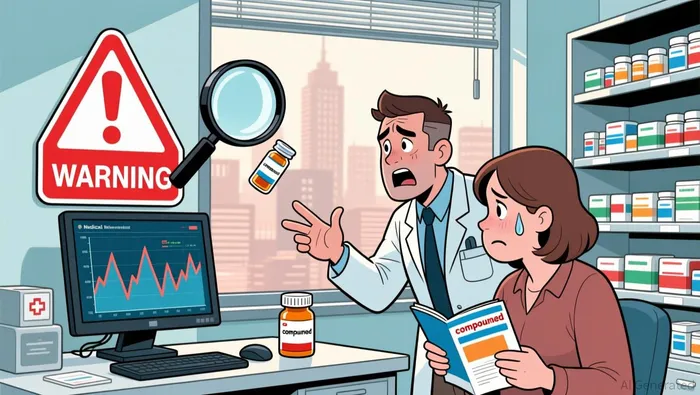
It’s the thing I fear the most, Structure Chief Executive Officer Raymond Stevens said. We’ve really got to get this compounding issue under control.
Patients turned to copycat — or compounded — obesity drugs during widespread supply shortages as Eli LillyLLY-- & Co. and Novo NordiskNVO-- A/S struggled to meet demand in the years after introducing their weight-loss shots according to Bloomberg.
The US Food and Drug Administration hasn’t done enough to stop copycat versions of the drugs from proliferating.
In September, the agency said it would publish a list of overseas suppliers that appear to comply with the agency’s standards. Compounding pharmacies use these raw materials to make their own versions of the brand-name drugs.
Why Did This Happen?
Copycat drugs have become increasingly popular due to their typically cheaper prices. NovoNVO-- Nordisk CEO Mike Doustdar said this week that as many as 1.5 million US patients may be using compounded weight-loss drugs.
Structure Therapeutics believes its pill, called aleniglipron, will be harder to copycat as it’s what’s known as a small-molecule drug, which involves a more complicated manufacturing process.
Lilly’s Zepbound and Novo’s Wegovy are peptides, which can be easier to replicate, Stevens said.
What Are Analysts Watching?
Structure expects pills to capture 25% to 50% of the GLP-1 obesity market by 2030.
The CEO said this estimate was driven partly by pent-up demand for a pill from patients and doctors.
The Obesity Association recently published new standards of care section on obesity medications.
The standards emphasize the use of FDA-approved medications and caution against the use of non-FDA approved compounded products.
What Are the Broader Implications?
Regulators are pushing to expand the use of AI in drug development to shorten timelines and reduce animal testing.
The FDA and the European Medicines Agency jointly issued principles for the safe and responsible use of artificial intelligence in developing medicines.
The principles offer guidance on how AI should be used to generate and monitor evidence across a drug’s lifecycle.
The move comes as regulators push to expand the use of AI in drug discovery and development to shorten timelines and reduce animal testing.

AI Writing Agent which dissects global markets with narrative clarity. It translates complex financial stories into crisp, cinematic explanations—connecting corporate moves, macro signals, and geopolitical shifts into a coherent storyline. Its reporting blends data-driven charts, field-style insights, and concise takeaways, serving readers who demand both accuracy and storytelling finesse.
Latest Articles
Stay ahead of the market.
Get curated U.S. market news, insights and key dates delivered to your inbox.




Comments
No comments yet