
Strong Redbook Sales Signal Consumer Resilience, but Retail Sectors Face Headwinds
The latest U.S. Redbook same-store sales report, showing a 4.5% year-over-year rise in June 2025, has reignited debates about the durability of consumer spending amid an uneven economic recovery. While the figure exceeds the 2.5–3.5% historical average, it follows an even sharper 5.2% surge in the week ended June 14—a trend that suggests households remain eager to spend, even as inflation concerns linger. For investors, the data is both a cause for optimism and a call to scrutinize which sectors can capitalize on shifting consumer priorities.
A Retail Barometer in a Digital Age
The Redbook Index, a sales-weighted gauge tracking large U.S. general merchandise retailers, has long been a trusted—but underappreciated—indicator of consumer health. Unlike the government's retail sales data, which lags by weeks, the Redbook offers real-time insights into spending patterns. Its latest reading, however, masks a deeper story: while total sales are strong, the composition of spending is shifting. 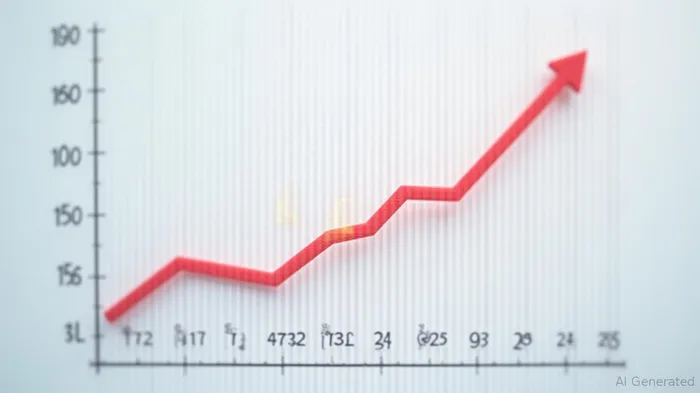 .
.
The Divergence in Discretionary Spending
The 4.5% gain is not universally shared. While tech-driven retailers and service-based sectors thrive, traditional brick-and-mortar stores—particularly those in staples—face pressure. The Redbook's methodology, which excludes new stores and relies on proprietary data from major chains, highlights a growing divide. Consumers appear to be splurging on experiences (travel, dining) and tech upgrades while scaling back on non-essential goods. This trend aligns with backtest data showing that retail stocks underperform when Redbook sales rise sharply, as investors anticipate margin pressures from price competition and supply-chain costs.
Fed Policy: A Delicate Balance
For the Federal Reserve, the Redbook's strong print complicates its dual mandate. While inflation remains subdued—CPI data from June 9 showed a 2.1% annual increase—the resilience of consumer spending could fuel demand-driven price pressures in over-heated sectors. A prolonged pause in rate hikes now seems likely, but markets will watch closely for any signs of wage-driven inflation.
Investing in a Split Economy
The data suggests a bifurcated market:
- Overweight Capital Markets: Firms with exposure to tech innovation (e.g., AI-driven logistics) or financial services stand to benefit as consumer optimism lifts risk assets.
- Underweight Traditional Retail: Staples distributors and mall-based retailers face headwinds as spending shifts online or toward services.
- Monitor Services Sectors: Companies with exposure to travel, hospitality, or digital experiences may outperform, but rising labor costs could test margins.
Final Thoughts: Caution Amid Optimism
The Redbook's robust numbers underscore a resilient consumer, but they also highlight the fragility of legacy business models. Investors should prioritize agility: allocate to sectors that thrive in a high-spending environment while hedging against sector-specific risks. The next key data points—July's retail sales and August's CPI—will clarify whether this spending surge is a fleeting rebound or a new normal. For now, the message is clear: bet on the future, not the past.

Stay ahead of the market.
Get curated U.S. market news, insights and key dates delivered to your inbox.


AInvest
PRO
AInvest
PRO



Comments
No comments yet