
U.S. Strikes Iranian Nuclear Sites, Tensions Rise
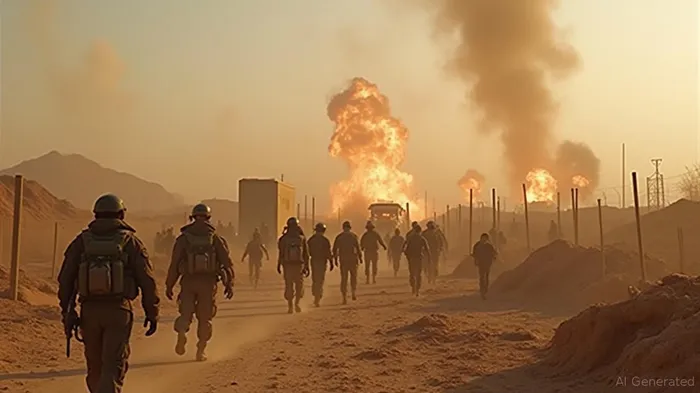
The United States has conducted airstrikes on three Iranian nuclear facilities, including the underground Fordow site, marking a significant escalation in the ongoing conflict between Israel and Iran. The strikes, ordered by the U.S. President, targeted key nuclear sites with the aim of disrupting Iran's nuclear program. The President has called on Iran to seek peace immediately, warning of further strikes if Tehran does not comply. The military action has raised concerns about potential Iranian retaliation, which could include closing the Strait of Hormuz, a critical global oil transit route.
The focus now shifts to Tehran's next move. Analysts suggest that Iran, already weakened by Israeli airstrikes and the assassination of several nuclear scientists, may accelerate its nuclear activities in response to the U.S. strikes. The escalating conflict could have significant implications for global energy markets, as any disruption in oil supplies from the Middle East could lead to price volatility and economic instability.
Iran has two main options for retaliation: a precise, targeted response against U.S. assets to show that it has responded without provoking a more severe military reaction, or a large-scale retaliation that could target U.S. military personnel and assets in the region, energy facilities in the Gulf, or even unprecedented actions such as blocking the Strait of Hormuz with mines or harassing passing ships. The initial assessment is that Iran will be cautious about triggering a war it knows it cannot win, but the extent of the damage to Iran's nuclear program is still unclear. Tehran appears to be downplaying the impact of the strikes, suggesting that a precise, targeted retaliation against the U.S. is more likely. However, it remains to be seen whether this will lead to a de-escalation of the conflict between Iran and Israel.
The U.S. military presence in the Middle East, including multiple bases and assets, could become targets for Iranian retaliation. The international community is closely monitoring developments, hoping to avoid a full-scale conflict that could have devastating consequences for the region and the world. The situation remains fluid, with both sides poised for further action. The U.S. President has threatened further strikes if Iran retaliates, but has not specified potential targets.
Despite being militarily inferior to both Israel and the U.S., Iran remains a formidable opponent with a population of nearly 90 million and a GDP of nearly 450 billion dollars, posing a significant threat to U.S. and Israeli interests. The U.S. President seems to believe that striking Iran's nuclear program is a necessary step to ensure peace, but past U.S. interventions in the Middle East have shown that the consequences are unpredictable and difficult to control. The situation remains tense, with the potential for further escalation or de-escalation depending on Iran's response.

Stay ahead of the market.
Get curated U.S. market news, insights and key dates delivered to your inbox.






Comments
No comments yet