
Streaming Services Capture 46% of US TV Time in June
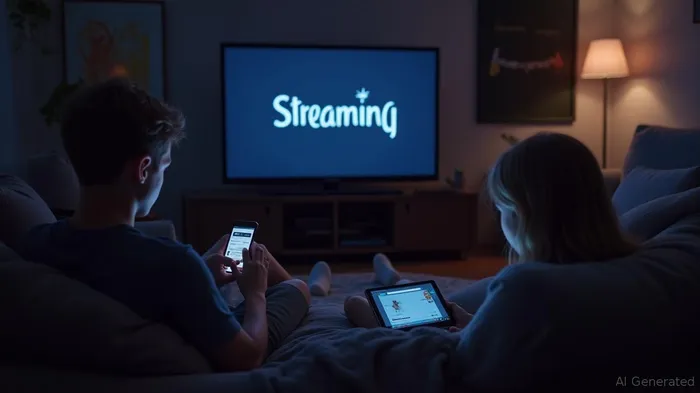
In June, a notable shift in television viewing habits occurred in the United States. For the first time, viewers spent more time watching streaming services than they did with broadcast and cable television combined. This marked a historic moment, as streaming services captured 46% of Americans' TV time, with YouTube and NetflixNFLX-- leading the charge. Cable television networks accounted for 23.4% of viewing time, while broadcast television lagged behind at 18.5%, bringing the total for traditional TV to just under 42%. This was the first instance where broadcast TV dipped below the 20% mark of total TV viewing.
The surge in streaming was largely driven by the end of the school year, which allowed younger viewers more time to engage with content. Approximately two-thirds of individuals aged 6 to 17 preferred streaming services over conventional TV, with popular shows like "Ginny & Georgia" and "Squid Game" contributing to the trend. This shift was particularly notable as it represented a reversal from June 2024, when 47.7% of viewers were tuned into conventional TV compared to 40.3% on streaming services.
Despite this significant change, the decline of traditional TV is not an immediate death knell. June and July are typically slower months for TV viewing, and the return of football season and new episodes of popular shows are expected to boost traditional TV viewership. Additionally, media companies are adapting by distributing their content across multiple platforms, giving viewers more choices and flexibility. The growth of YouTube, which offers free access and serves as a portal for traditional TV content, has also contributed to the rise of streaming services.
Fox News Channel, known for its older demographic, has also seen a rise in viewership. For the third consecutive week, Fox News Channel had more viewers in prime-time on weeknights than any of the main broadcast networks, including ABC, CBS, NBC, and Fox entertainment. This trend has been observed for seven weeks in 2025, surpassing the total for 2024 and 2023 combined. The network's steady audience, which tends to remain consistent throughout the year, has allowed it to capitalize on the traditionally slower viewing periods for broadcast networks.
The shift towards streaming services reflects a broader trend in media consumption, where viewers are increasingly opting for on-demand content over scheduled programming. This change is driven by the convenience and variety offered by streaming platforms, which cater to a wide range of viewer preferences and age groups. As media companies continue to adapt to these changing habits, the landscape of television viewing is likely to evolve further, with streaming services playing an increasingly dominant role.

Stay ahead of the market.
Get curated U.S. market news, insights and key dates delivered to your inbox.




Comments
No comments yet