
Strategic Sector Rotation in a Rising PPI Environment: Energy's Edge and Automotive's Weakness
 Aime Summary
The U.S. Producer Price Index (PPI) for November 2025 rose by 0.2% month-over-month, aligning with expectations and underscoring the persistent inflationary pressures in energy and commodity markets. This modest increase, driven by a 4.6% surge in energy prices and a 10.5% spike in gasoline costs, highlights the uneven dynamics shaping producer-level inflation. While headline PPI remains within a narrow band, the underlying trends demand a closer look at sectoral implications.
The Inflationary Engine: Energy's Dominance
Energy has long been a linchpin of PPI volatility. In November, energy prices accounted for over 80% of the increase in final demand goods, a pattern echoing historical cycles. During the 1973–1982 inflationary period, fuel and power prices surged by 138% relative to 1972, driving broad-based inflation. Today, while the scale is smaller, the sector's influence remains potent.
Backtested data reveals a consistent pattern: energy equities outperform during PPI-driven inflation. From 2000 to 2024, the Energy sector demonstrated a Sharpe ratio exceeding 1 during high PPI periods, outpacing the S&P 500. This resilience stems from direct exposure to commodity prices and the sector's ability to pass through costs to consumers. For instance, oil and gas producers benefit from higher margins when crude prices rise, as seen in 2022 when Brent crude surged by 50% amid supply constraints.
The Automotive Sector: A Sensitive Underperformer
In contrast, the automotive sector has historically struggled during inflationary spikes. November's 0.3% rise in motor vehicle prices, though modest, reflects broader structural challenges. Higher energy costs increase production expenses, while elevated inflation often dampens consumer demand for big-ticket items. During the 1970s, automotive stocks lagged as real incomes contracted and interest rates soared.
Recent data reinforces this trend. From 2000 to 2024, automotive equities underperformed during periods of rising PPI, with margins compressed by input costs and interest rate sensitivity. For example, during the 2022 energy shock, automakers faced a 15% increase in steel and aluminum prices, eroding profit margins. Even as electric vehicle adoption grows, the sector's reliance on volatile raw materials and capital-intensive production models leaves it vulnerable to inflationary headwinds.
Strategic Allocation: Overweight Energy, Underweight Automotive
The case for sector rotation is compelling. Energy stocks, particularly those in oil and gas exploration and refining, offer a hedge against inflation. Their cash flow resilience and pricing power make them attractive in a rising PPI environment. Conversely, automotive equities, while integral to a diversified portfolio, face near-term headwinds from cost pressures and demand elasticity.
Investors should consider overweighting energy ETFs (e.g., XLE) and individual producers with strong balance sheets, while reducing exposure to automotive manufacturers and suppliers. This approach aligns with historical risk-adjusted returns and mitigates the drag from inflation-sensitive industries.
Conclusion: Navigating the Inflationary Landscape
The November PPI data reaffirms energy's role as a key inflationary driver and a strategic asset class. While the broader market may remain range-bound, sectoral divergences present opportunities for disciplined investors. By leveraging historical insights and current macroeconomic signals, a tactical tilt toward energy and away from automotive sectors can enhance portfolio resilience in an inflationary regime.
As the Federal Reserve navigates its dual mandate, the interplay between PPI trends and sector performance will remain critical. The next phase of market dynamics may hinge on whether energy prices stabilize or escalate further—a development that could redefine strategic allocations in 2026.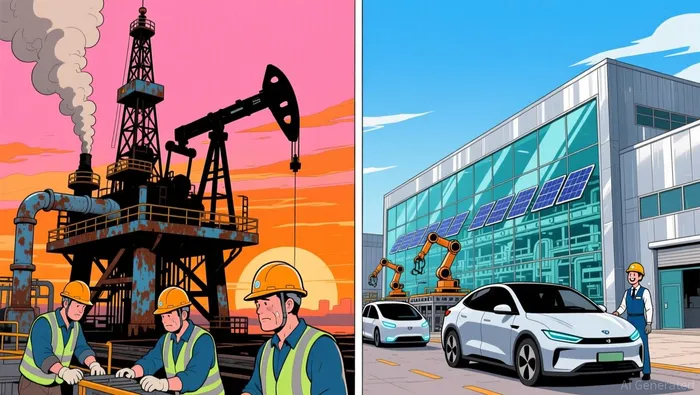

Stay ahead of the market.
Get curated U.S. market news, insights and key dates delivered to your inbox.


AInvest
PRO
AInvest
PRO



Comments
No comments yet