
Strategic Sector Rotation: Capitalizing on Divergent Optimism in Communication-Driven Industries and Chemical Manufacturing
 Aime Summary
The U.S. NFIB Small Business Optimism Index, a barometer of entrepreneurial sentiment, reveals a striking divergence in sectoral performance as of November 2025. While the index rose to 99.0—above its 52-year average—sub-sector analysis paints a nuanced picture. Communication-driven industries, embedded within the broader services sector, face declining optimism, whereas chemical manufacturing, part of the manufacturing sector, shows relative resilience despite structural challenges. This divergence offers a roadmap for investors seeking to navigate sector rotation in a fragmented market.
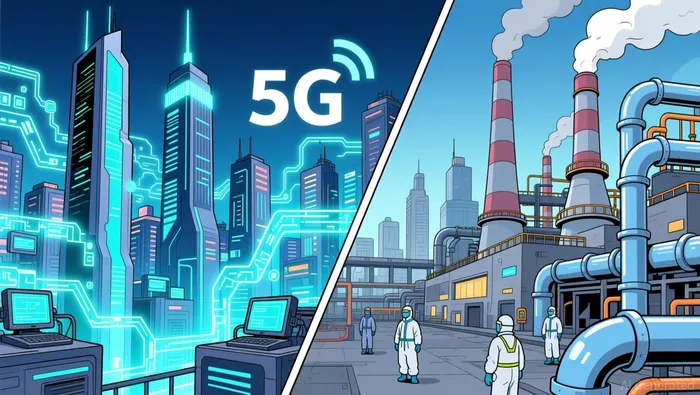
Communication-Driven Industries: Optimism in Decline, but Long-Term Potential Endures
The services sector, which encompasses communication-driven industries such as digital infrastructure, media, and tech-enabled services, reported an NFIB Optimism Index of 95.6 in October 2025, down 3.6 points from July. This decline was driven by weak sales expectations (-3% net), inventory imbalances, and capital expenditure hesitancy. Small business owners in this sector cited overstocking and mismatched demand as key pain points, reflecting broader macroeconomic headwinds.
Yet, the stock market tells a different story. The Communication Services sector has surged 33.68% year-to-date (YTD) in 2025, despite a recent 1.52% dip in daily returns. Schwab's Center for Financial Research upgraded the sector to “Outperform,” citing AI-driven demand for cloud infrastructure and advertising. This disconnect between NFIB sentiment and equity performance suggests that investors are betting on long-term structural growth, even as near-term operational challenges persist.
Investment Insight: Investors should consider a tactical tilt toward communication-driven ETFs (e.g., XLC) and individual stocks with strong AI integration, such as hyperscalers or cybersecurity firms. However, caution is warranted for smaller players in the sector, which may struggle with inventory management and pricing pressures.
Chemical Manufacturing: Resilience Amid Structural Headwinds
The manufacturing sector, including chemical manufacturing, maintained an NFIB Optimism Index of 100.1 in October 2025, slightly above the overall index. However, this figure masks a 5.8-point quarterly decline, driven by deteriorating sales expectations (net 5% increase) and labor shortages. Small business owners in chemical manufacturing reported 33% unfilled job openings, with 89% citing a lack of qualified applicants.
Despite these challenges, the sector's stock performance is mixed. For example, Rex American Resources (REX) and Methanex (MEOH) saw price targets raised to $35 and $39, respectively, reflecting optimism about energy transition demand. Conversely, Advansix (ASIX) was downgraded, highlighting the sector's volatility. The Materials sector, which includes chemical manufacturing, posted a 27.40% YTD return but lagged behind Communication Services.
Investment Insight: Chemical manufacturing offers a “barbell” strategy: overweight companies aligned with green energy (e.g., battery materials) and underweight those reliant on cyclical demand. Investors should prioritize firms with strong balance sheets and cost-cutting capabilities to weather labor and input cost pressures.
Sector Rotation: Balancing Optimism and Risk
The NFIB data underscores a strategic shift in small business sentiment. Construction (Optimism Index: 105.5) and manufacturing (100.1) remain relatively optimistic, while services (95.6) and retail (94.9) lag. This suggests capital should flow toward sectors with durable demand, such as construction (driven by infrastructure spending) and AI-enabled communication industries, while avoiding overexposed retail and services.
Actionable Steps for Investors:
1. Allocate to Communication Services ETFs: Capture AI-driven growth while hedging against near-term operational risks.
2. Selectively Target Chemical Manufacturing: Focus on sub-sectors with energy transition tailwinds, such as specialty chemicals and sustainable materials.
3. Monitor Labor Market Dynamics: Sectors with persistent labor shortages (e.g., construction, manufacturing) may see wage inflation, impacting margins.
Conclusion
The U.S. small business landscape in late 2025 is defined by divergent sectoral trajectories. While communication-driven industries face near-term headwinds, their long-term growth potential remains intact. Chemical manufacturing, though resilient, must navigate labor and demand challenges. By aligning portfolios with these dynamics, investors can capitalize on sector rotation while mitigating downside risks in a fragmented market.

Stay ahead of the market.
Get curated U.S. market news, insights and key dates delivered to your inbox.


AInvest
PRO
AInvest
PRO



Comments
No comments yet