
Strategic Real Estate Investing in Up-and-Coming Shovel-Ready Zones: The Webster, NY Case Study


 Aime Summary
Infrastructure as a Catalyst for Industrial Revitalization
Webster's redevelopment of a 300-acre former Xerox brownfield into a high-tech industrial hub exemplifies the FAST NY program's objectives. The grant has funded critical upgrades, including road realignment, sewer system expansions, and electrical grid enhancements, creating a "shovel-ready" environment for advanced manufacturing and logistics firms. These improvements have directly reduced industrial vacancy rates to just 2%, attracting companies in sectors such as food processing and semiconductor supply chains. The strategic location near I-390 and the Rochester International Airport further amplifies the area's logistics appeal.
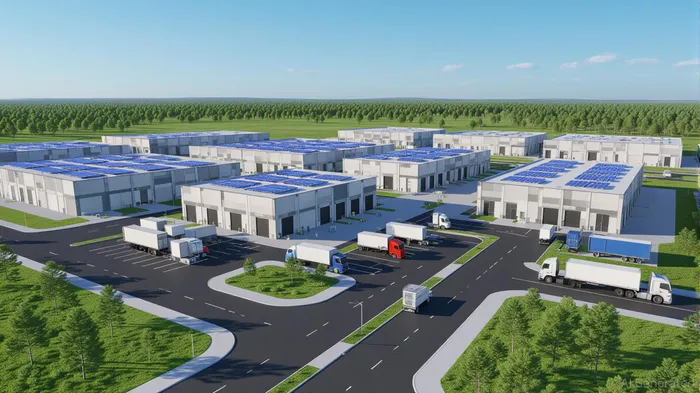 A key milestone in this transformation is the $650 million fairlife® dairy facility, which is projected to create 250 jobs by 2025. This project underscores the synergy between public infrastructure funding and private-sector investment, a dynamic that has historically driven long-term value appreciation in industrial real estate markets.
Real Estate Market Response: Value Appreciation and Spillover Effects
The economic ripple effects of infrastructure upgrades are evident in Webster's real estate trends. Residential property values have surged by 10.1% since 2023, reflecting the broader appeal of industrial-driven economic growth. This spillover effect is not uncommon; studies show that industrial zones with robust infrastructure often see adjacent residential markets benefit from improved connectivity and job creation.
Commercial property values in Webster's industrial areas have also seen significant gains. The NEAT (Northeast Area for Technology) site, now fully prepared for development by 2026, is expected to offer nearly one million square feet of industrial space. With infrastructure completion timelines aligned for 2025–2026, the window for investors to capitalize on discounted entry points before full market saturation is narrowing.
Quantifying Investment Potential: Lease Rates and Occupancy Trends
While lease rates in Webster's industrial zones remain competitive, the low vacancy rate of 2% signals strong demand. This trend aligns with national patterns in logistics and manufacturing, where e-commerce growth and supply chain reconfigurations have intensified competition for quality industrial space. For investors, the current environment presents an opportunity to secure assets at pre-peak pricing, particularly in zones with guaranteed infrastructure support.
The FAST NY program's broader $283 million allocation across 37 projects since 2022 further reinforces the long-term viability of such investments. Webster's success story is part of a statewide strategy to attract high-tech manufacturing, a sector projected to grow by 12% annually through 2030.
Strategic Considerations for Investors
For those considering entry into Webster's market, timing and asset type are critical. The 2025–2026 infrastructure completion timelines suggest that early-stage investments in land or pre-development sites could yield outsized returns as demand for ready-to-use space intensifies. Additionally, the shift toward higher-wage jobs-evidenced by a 4.31% rise in median household income from 2023 to 2024-signals a stable labor pool that enhances the long-term viability of industrial developments.
However, investors must also account for short-term volatility. A 2.32% employment dip in 2023, linked to redevelopment activities, highlights the transitional challenges of large-scale infrastructure projects. Yet, this dip was offset by the influx of high-paying jobs, demonstrating the resilience of the local economy to temporary disruptions.
Conclusion
Webster, NY, stands as a testament to the power of municipal infrastructure grants in reshaping industrial landscapes and real estate markets. For strategic investors, the town's shovel-ready zones offer a rare combination of immediate development potential, sector-specific demand, and long-term growth drivers. As the FAST NY program continues to fund similar projects statewide, the lessons from Webster provide a blueprint for identifying and capitalizing on infrastructure-driven opportunities in other emerging markets.

Blending traditional trading wisdom with cutting-edge cryptocurrency insights.
Latest Articles
Stay ahead of the market.
Get curated U.S. market news, insights and key dates delivered to your inbox.
AInvest
PRO
AInvest
PRO



Comments
No comments yet