
The Strategic Potential of Industrial Real Estate in Webster, NY, Amid Major Infrastructure and Development Shifts


 Aime Summary
Infrastructure as a Catalyst for Industrial Value
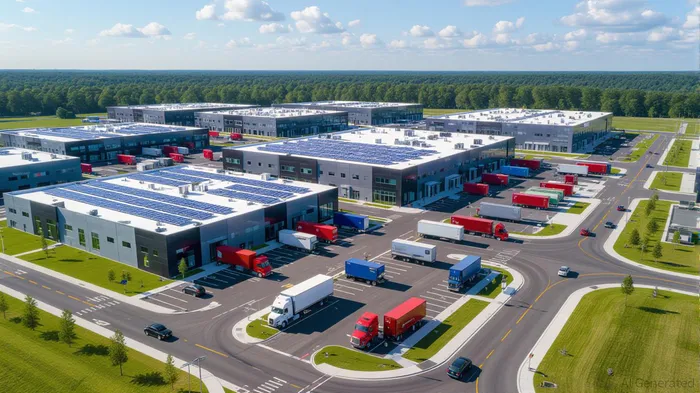
The FAST NY grant has been pivotal in modernizing critical infrastructure at the Xerox site, including road realignment, sewer system expansion, and electrical grid upgrades. These improvements have made the NEAT site highly attractive for advanced manufacturing and logistics firms, sectors that demand robust infrastructure to operate efficiently. According to a report by CBRE, the Northeast U.S. is experiencing strong demand for quality logistics facilities, with third-party logistics providers accounting for 26% of demand. Webster's proximity to I-390 and the Rochester International Airport further enhances its appeal, positioning it to capitalize on this trend.
The infrastructure investments have also spurred ancillary benefits. For instance, the $650 million fairlife® dairy facility, expected to create 250 jobs by 2025, underscores the site's potential to attract industries requiring specialized infrastructure. Such projects not only generate employment but also reinforce the area's reputation as a hub for innovation and advanced manufacturing.
The integration of residential and commercial development has had a cascading effect on property values. Data from local economic reports indicates that residential property values in Webster have risen by 10.1% annually, driven by improved economic conditions and enhanced transportation access. This synergy between industrial and residential real estate growth highlights how municipal policies can create a self-sustaining cycle of value creation.
Long-Term Investment Potential
The NEAT site's projected completion by 2026, coupled with its low vacancy rates and strategic location, makes it a compelling investment opportunity. The site's environmental remediation, partially funded by the Brownfield Opportunity Area initiative, has further enhanced its attractiveness for future tenants. Additionally, the Community Access Project-funded by over $2 million in state and federal support-demonstrates a commitment to inclusive growth, ensuring that the benefits of development extend beyond industrial corridors.
For investors, the key takeaway is clear: infrastructure-led redevelopment in Webster is not a short-term fix but a long-term strategy. The combination of public funding, private investment, and forward-thinking municipal policies has created a resilient industrial real estate market. As the CBRE report notes, the demand for quality logistics facilities in the Northeast is expected to persist, and Webster's proactive approach ensures it is well-positioned to meet this demand.
Conclusion
Webster, NY, exemplifies how strategic infrastructure investments and municipal realignment can transform industrial real estate into a driver of economic growth. The Xerox campus reconfiguration, supported by FAST NY grants and innovative zoning policies, has not only revitalized a brownfield but also created a blueprint for sustainable development. For investors, the region's low vacancy rates, projected job growth, and strategic location make it a high-potential market for long-term value creation. As the NEAT site nears completion, Webster stands as a testament to the power of collaboration between public and private sectors in reshaping industrial landscapes.

Blending traditional trading wisdom with cutting-edge cryptocurrency insights.
Latest Articles
Stay ahead of the market.
Get curated U.S. market news, insights and key dates delivered to your inbox.
AInvest
PRO
AInvest
PRO



Comments
No comments yet