
Strategic Portfolio Reallocation: Accelerating Production and Cash Flow in Energy Sectors
 Aime Summary
In the dynamic world of investing, understanding how companies manage their operations and finances can unlock opportunities to grow your portfolio. This article explores how energy companies accelerate production and improve cash flow—and why these actions matter to investors. By the end, you’ll have actionable insights to evaluate energy stocks and adjust your investments strategically.
Core Concept: Production and Cash Flow in Energy Sectors
Energy companies, such as those in oil, gas, or renewables, rely heavily on production efficiency and strong cash flow. Production refers to how much energy a company generates (e.g., barrels of oil or megawatts of electricity), while cash flow is the money left after covering operating costs. 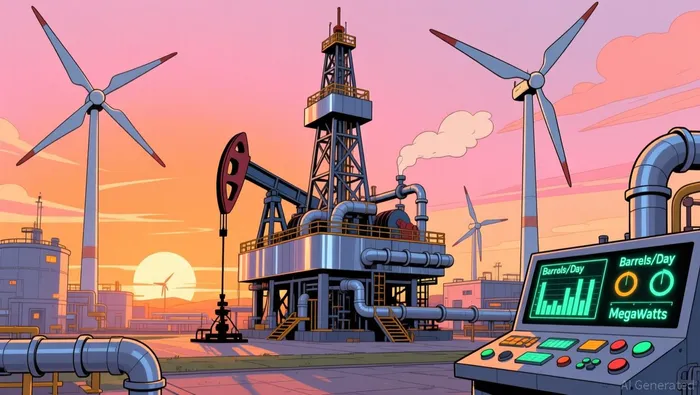 When a company boosts production or reduces costs, its cash flow improves, allowing it to reinvest, pay dividends, or strengthen its balance sheet. Investors often view these improvements as positive signals, which can drive stock prices upward.
Application: How Investors Can Act 1. Sector Rotation: Shift investments to energy sectors poised for production growth. For example, if a government announces new infrastructure projects, renewable energy firms may see increased demand, prompting investors to reallocate funds there. 2. Dividend Focus: Companies with strong cash flow often pay higher dividends. Investors seeking steady income might prioritize these stocks, especially during periods of market volatility. 3. Growth Opportunities: Invest in companies expanding production capacity, such as those building new oil rigs or solar farms. However, balance this with risk management, as overexpansion can strain finances.
Case Study: Chevron’s 2023 Production Surge In 2023, Chevron CorporationCVX-- increased oil production by 10% through new drilling projects in the Permian Basin. This led to a 15% rise in operating cash flow, enabling the company to boost dividends and repurchase shares. As a result, Chevron’s stock price rose 12% year-to-date. This example shows how production growth directly impacts investor returns. Additionally, the company’s improved cash flow allowed it to reduce debt, enhancing long-term stability—a factor that attracted both growth and value investors.
Risks and Mitigation Strategies While production and cash flow improvements are positive, they come with risks: - Market Volatility: Energy prices fluctuate due to geopolitical events or economic shifts. Mitigate this by diversifying across energy subsectors (e.g., oil, gas, renewables). - Overleveraging: Companies may take on debt to fund expansion. Monitor debt-to-equity ratios and earnings reports to avoid overextended firms. - Regulatory Changes: Environmental policies can impact production. Stay informed about regional regulations and invest in companies adapting to sustainability trends.
Conclusion Strategic portfolio reallocation in energy sectors hinges on understanding how production and cash flow drive company performance. By analyzing production trends, cash flow metrics, and market conditions, investors can make informed decisions. Remember to balance growth opportunities with risk management—diversify your holdings, stay updated on industry news, and consider consulting a financial advisor for personalized strategies. In the energy sector, timing and adaptability are key to capturing value in an ever-evolving market.

Stay ahead of the market.
Get curated U.S. market news, insights and key dates delivered to your inbox.
AInvest
PRO
AInvest
PRO



Comments
No comments yet