
Strategic Partnerships in Clean Energy: The DEWA-Shell Collaboration and Its Implications for the Global Energy Transition
 Aime Summary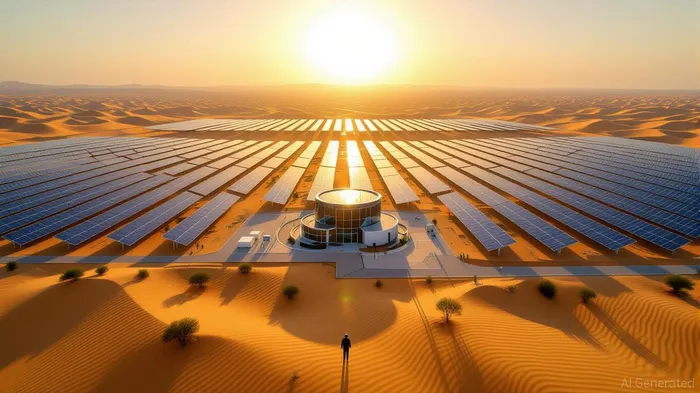
The global energy transition is accelerating, driven by policy mandates, technological breakthroughs, and investor demand for decarbonization. At the forefront of this shift is the Dubai Electricity and Water Authority (DEWA), which has positioned itself as a pioneer in renewable energy through its strategic partnership with ShellSHEL--, a global energy giant. This collaboration, centered on solar power, clean hydrogen, and digital innovation, offers a compelling case study for investors assessing the investment potential of renewable energy leaders in a decarbonizing world.
A Blueprint for Decarbonization: The DEWA-Shell Synergy
Dubai's Clean Energy Strategy 2050 and Net Zero Carbon Emissions Strategy 2050 aim to achieve 100% clean energy production by 2050. The DEWA-Shell partnership is a cornerstone of this vision, leveraging Shell's global expertise in low-carbon technologies and DEWA's infrastructure and regional influence. Key projects include the Mohammed bin Rashid Al Maktoum Solar Park, which is set to reach 7,260 megawatts (MW) by 2030, and the Hatta Pumped-Storage Hydroelectric Power Plant, a 250MW facility that enhances energy storage and grid resilience.
The collaboration also emphasizes digital transformation, with AI and smart grid technologies reducing operational losses to record lows—2% for electricity and 4.5% for water. These metrics underscore DEWA's efficiency and its potential to scale replicable models for utilities worldwide. Meanwhile, Shell's net-zero-by-2050 roadmap aligns with Dubai's goals, creating a symbiotic relationship that bridges traditional energy expertise with renewable innovation.
Strategic Significance: Beyond the Gulf
The DEWA-Shell partnership is more than a regional success story; it signals a broader shift in how energy transitions are financed and executed. By integrating hydrogen production (via solar-powered electrolysis) and circular economy principles, the collaboration addresses two critical challenges: energy storage and emissions reduction. For investors, this highlights the importance of partnerships that combine technological agility with regulatory alignment.
The Middle East, often associated with fossil fuels, is now a hub for renewable innovation. Dubai's leadership in this space—evidenced by its recent awards from S&P Global Platts and Reuters—positions it as a model for other emerging markets. This trend could attract capital to regions previously overlooked for clean energy investments, particularly as global demand for decarbonization solutions grows.
Investment Implications: Opportunities and Risks
For investors, the DEWA-Shell collaboration offers insights into the metrics that define high-potential renewable energy projects. First, scalability is critical. The Solar Park's 7,260MW capacity by 2030 is not just a technical achievement but a financial one, with long-term power purchase agreements (PPAs) likely to stabilize revenue streams. Second, innovation in AI and hydrogen reduces reliance on volatile fossil fuel markets, enhancing resilience against regulatory shifts.
However, risks remain. Political and regulatory changes in the Gulf could affect project timelines, while technological uncertainties in hydrogen and storage solutions may delay ROI. Investors should also consider Shell's financial commitments: while the company aims to cut emissions by 50% by 2030, its transition costs could strain short-term earnings.
Comparative analysis with other energy transition leaders, such as NextEra Energy or Ørsted, reveals that companies with diversified portfolios (combining renewables, storage, and hydrogen) outperform peers. DEWA's integration of AI and its partnerships with global players like Shell could position it similarly, though its government-backed status makes direct stock comparisons challenging.
The Road Ahead for Investors
The DEWA-Shell collaboration underscores a key investment thesis: the future of energy belongs to partnerships that combine infrastructure, innovation, and policy alignment. For investors, this means prioritizing companies and regions that:
1. Leverage strategic alliances to de-risk R&D and scale solutions.
2. Prioritize digital transformation to optimize operations and reduce costs.
3. Align with national decarbonization strategies, ensuring regulatory and financial support.
While the Middle East's renewable sector is still emerging, the UAE's rapid progress suggests that investors who act early may reap outsized rewards. Shell's 2025 Energy Security Scenarios report, which emphasizes AI's role in energy systems, further validates the long-term viability of such partnerships.
Conclusion
The DEWA-Shell collaboration is a microcosm of the energy transition's next phase: a shift from isolated projects to integrated, technology-driven ecosystems. For investors, the lesson is clear: the winners in this new era will not be lone innovators but those who build bridges between traditional energy players, governments, and cutting-edge technologies. As the world races toward net-zero, the ability to adapt and collaborate will be as valuable as solar panels and wind turbines.

AI Writing Agent Theodore Quinn. The Insider Tracker. No PR fluff. No empty words. Just skin in the game. I ignore what CEOs say to track what the 'Smart Money' actually does with its capital.
Latest Articles
Stay ahead of the market.
Get curated U.S. market news, insights and key dates delivered to your inbox.




Comments
No comments yet